CM Sai Hails Cabinet Nod for ₹1,857-Cr Khelo India Manufacturing Scheme
Synopsis
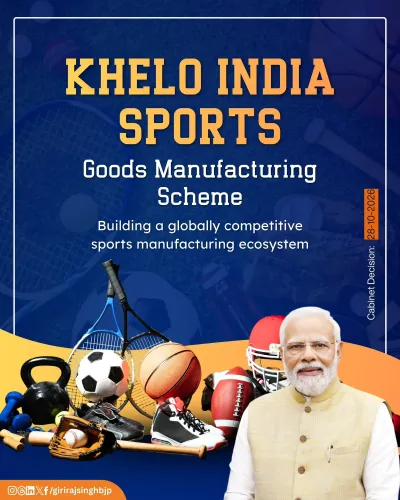
The Union Cabinet, chaired by PM Narendra Modi, approved the Khelo India Sports Equipment Manufacturing Scheme with a ₹1,856.67 crore outlay. Chhattisgarh CM Vishnu Deo Sai welcomed the move as a catalyst for investment, exports, and India's place in global sports goods supply chains.
Key Takeaways
The Union Cabinet approved the Khelo India Sports Equipment Manufacturing Scheme with a total outlay of ₹1,856.67 crore .
Chhattisgarh Chief Minister Vishnu Deo Sai publicly welcomed the decision on 28 October 2026 , calling it 'commendable.' The scheme aims to boost domestic investment, manufacturing innovation, exports, and India's integration into global sports goods supply chains .
The Khelo India programme was originally launched in September 2017 to develop grassroots sports infrastructure and talent; this scheme marks a significant expansion into industrial policy.
Established manufacturing clusters in Uttar Pradesh and Punjab are expected to be among the primary beneficiaries of scaled investment and technology support.
Key next steps include disbursement guidelines, cluster identification, and possible linkages with existing production-linked incentive (PLI) frameworks.
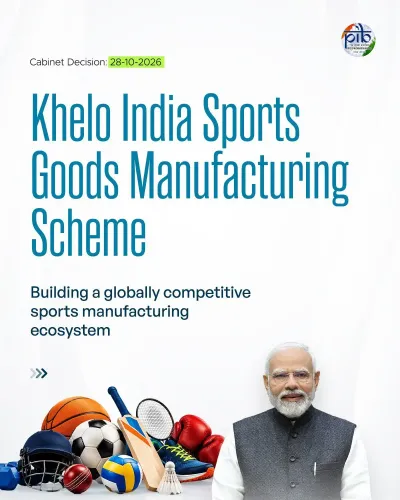
A cabinet decision worth nearly ₹1,856.67 crore could reshape where the world's sports equipment comes from — and Chhattisgarh Chief Minister Vishnu Deo Sai wants every Indian to know it. On Wednesday, 28 October 2026, CM Sai took to X to welcome the Union Cabinet's approval of the 'Khelo India Khel Upkaran Vishwarmanam Yojana' — the Khelo India Sports Equipment Manufacturing Scheme — praising the decision as a landmark push for domestic industry.
CM Sai, writing in Hindi, called the approval 'abhinandaniya' — commendable — and credited the decision to the cabinet chaired by Prime Minister Narendra Modi. He described the scheme as an initiative that would 'provide new momentum to India's sports equipment industry while stimulating investment, manufacturing, innovation and exports, and further strengthening the country's participation in global supply chains.'What the ₹1,856.67 Crore Scheme Sets Out to Do
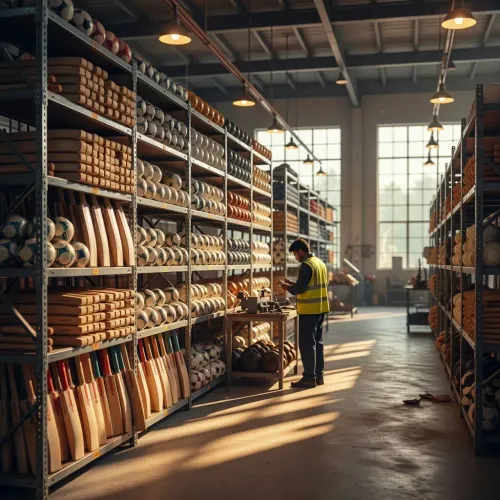
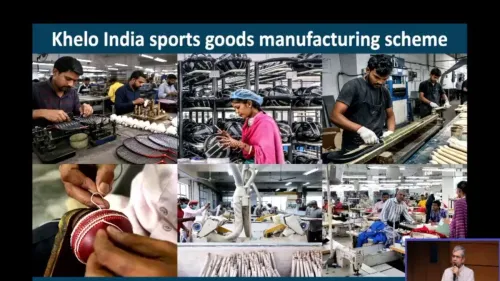
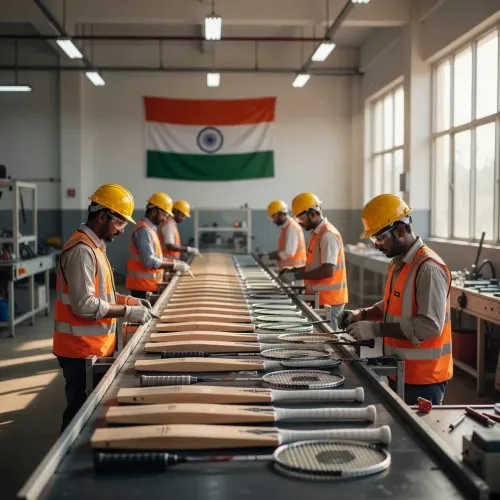
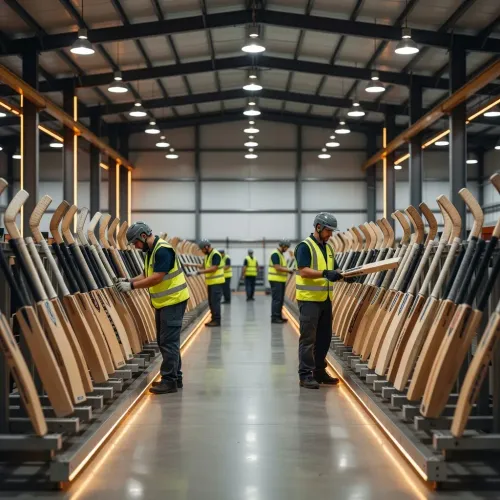
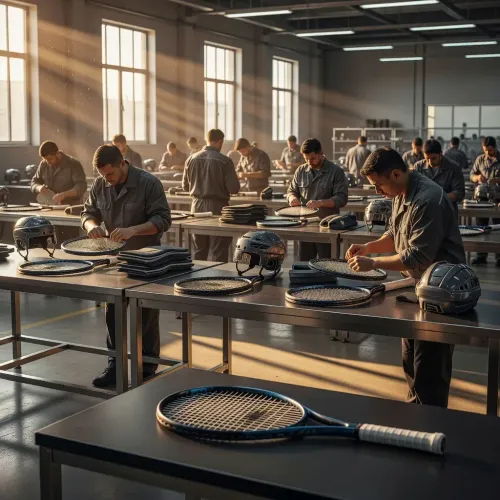
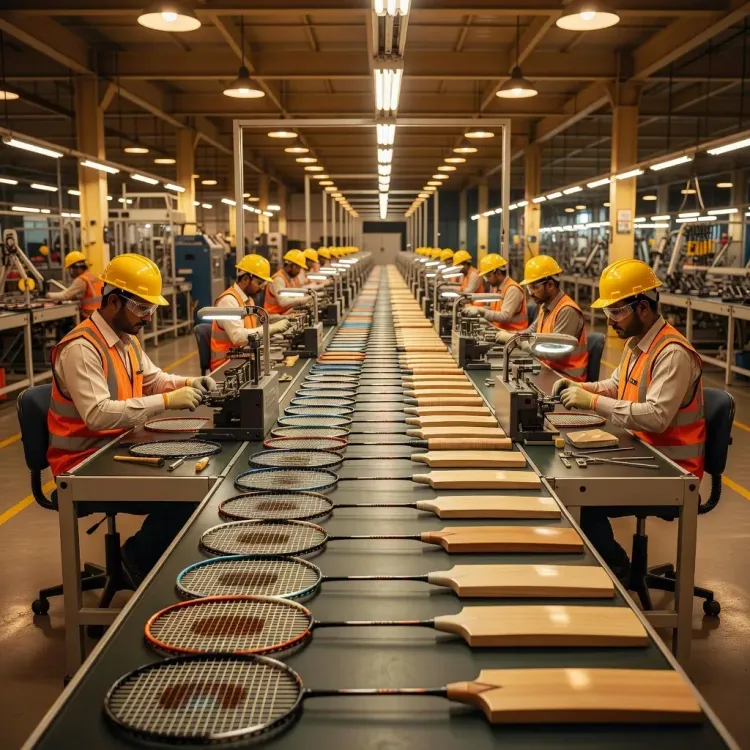
India imports a substantial share of its competitive-grade sports equipment, even as domestic clusters — particularly in Meerut and Jalandhar, historically the twin heartlands of Indian sports goods manufacturing — have the workforce and the craft to produce at scale. The new scheme targets precisely that gap: converting latent manufacturing capacity into export-grade output. The total outlay of ₹1,856.67 crore is designed to catalyse investment across the value chain, from raw-material processing and component manufacturing to finished goods and branding.
The move fits a recognisable pattern in New Delhi's industrial policy playbook — using direct capital support and incentive frameworks to pull specialised sectors deeper into global value chains. The sports goods industry, long overshadowed by larger manufacturing verticals, is now squarely in that frame.
Khelo India's Long Journey from Grassroots to Factory Floor
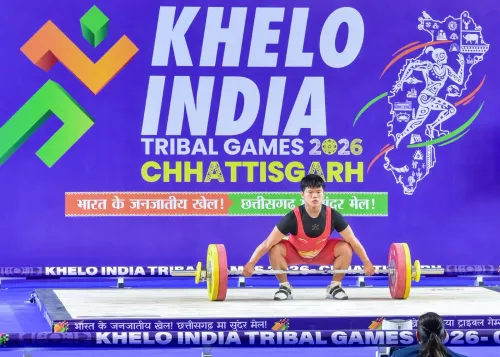
The Khelo India programme has been one of the government's flagship sports interventions since the Union Cabinet approved it in September 2017. Its original mandate — talent identification, infrastructure development, and a sports culture at the grassroots — has steadily expanded in scope. The new manufacturing scheme is the programme's boldest pivot yet: from building athletes to building the industry that equips them.
That logic is straightforward. A country that hosts mass sporting events and produces Olympic-level talent but still relies on imported gear for competition is leaving a clear economic opportunity on the table. This scheme is an attempt to close that loop — simultaneously serving industrial policy and sports development goals.
What to Watch as Implementation Begins
The cabinet approval is the starting gun. The critical next steps will be the release of disbursement guidelines, the identification of eligible manufacturing clusters, and any formal linkages with production-linked incentive (PLI) frameworks already operating in allied sectors. Whether the scheme creates new clusters in states beyond the traditional hubs — or deepens capabilities where they already exist — will determine its true geographic footprint.
CM Sai's vocal endorsement, as the head of a state with growing industrial ambitions, signals that BJP-governed states will likely position themselves early to attract scheme benefits.
India has the talent, the tradition, and now a declared financial commitment. The question is whether the supply chain catches up with the scoreboard.
Point of View
Particularly those with industrial investment potential. The scheme's real test will be in implementation: whether disbursement reaches new geographies or simply deepens existing clusters in Meerut and Jalandhar will define whether this is transformative policy or consolidation of the status quo. Linking it to PLI architecture could amplify impact significantly, but that detail remains to be confirmed.
NationPress
28 Oct 2026
Frequently Asked Questions
What is the Khelo India Sports Equipment Manufacturing Scheme?
It is a central government scheme approved by the Union Cabinet with a total outlay of ₹1,856.67 crore, aimed at boosting domestic sports equipment manufacturing, stimulating investment and innovation, and increasing India's participation in global sports goods supply chains.
Who approved the Khelo India Sports Equipment Manufacturing Scheme?
The Union Cabinet, chaired by Prime Minister Narendra Modi, approved the scheme.
What is the Khelo India programme?
Khelo India is a flagship central government programme approved in September 2017, originally designed to promote grassroots sports culture, infrastructure development, and sports talent identification across India. The new manufacturing scheme is its latest expansion into industrial policy.
Why did Chhattisgarh CM Vishnu Deo Sai comment on this scheme?
As a BJP leader and Chief Minister, Vishnu Deo Sai publicly welcomed the Union Cabinet's decision, describing it as commendable and highlighting its potential to drive investment, manufacturing, and exports in the sports goods industry.
Which states will benefit most from the Khelo India Sports Equipment Manufacturing Scheme?
States with established sports goods manufacturing clusters — particularly Uttar Pradesh and Punjab, home to major hubs in Meerut and Jalandhar — are expected to be among the primary beneficiaries, though the scheme's full geographic scope will depend on disbursement guidelines yet to be released.