CM Dhami Inspects Haridwar-Badrinath Highway, Pothole Drive
Synopsis
Uttarakhand CM Pushkar Singh Dhami conducted an on-ground inspection of the Haridwar-Badrinath National Highway on October 28, reviewing pothole-removal work under the Gaddhamukt Abhiyan and assessing public sanitation facilities at the pilgrimage town of Devprayag.
Key Takeaways
CM Pushkar Singh Dhami personally inspected the Haridwar-Badrinath National Highway while travelling by road from Srinagar to Dehradun on October 28, 2026 .
The inspection covered progress and quality of work under the Gaddhamukt Abhiyan (Pothole-Free Campaign), a state-level road maintenance initiative.
Dhami also reviewed a Sulabh Sauchalay at Devprayag , assessing cleanliness and traveller amenities at the pilgrim confluence town.
The Haridwar-Badrinath corridor is central to the Char Dham pilgrimage circuit and draws millions of visitors annually to Uttarakhand.
The Central Government's Char Dham Pariyojana , launched in 2016 , has driven widening and upgradation of these pilgrimage highways.
Dhami stated that 'safe, smooth and convenient travel along with better public facilities' for residents and travellers is the government's top priority.
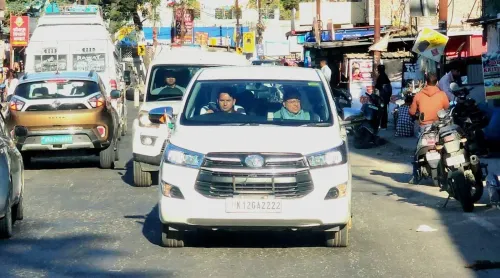
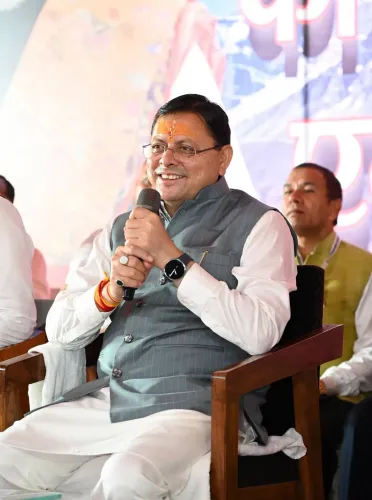
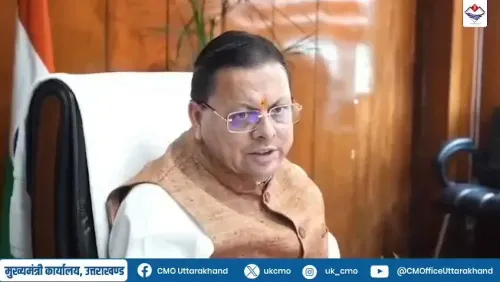
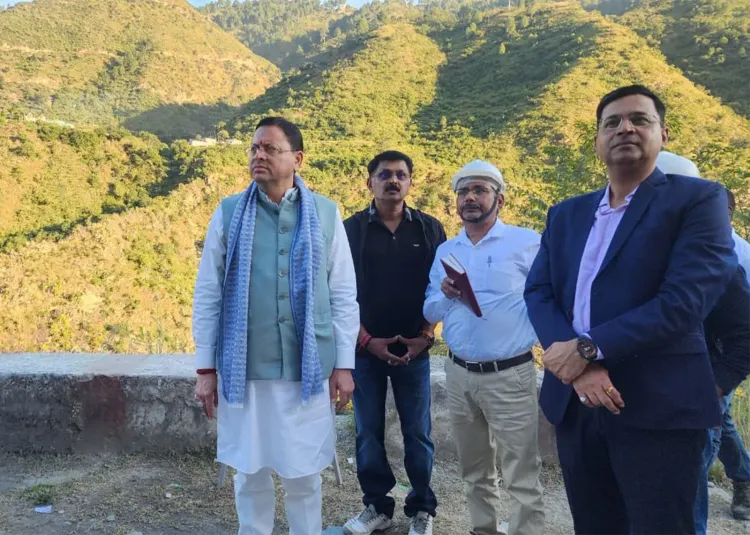
Driving the message home from the road itself, Uttarakhand Chief Minister Pushkar Singh Dhami on Wednesday, October 28 conducted an on-ground inspection of the Haridwar-Badrinath National Highway while returning by road from Srinagar to Dehradun — stopping to personally assess surface conditions, pothole-removal progress, and public sanitation facilities at Devprayag.
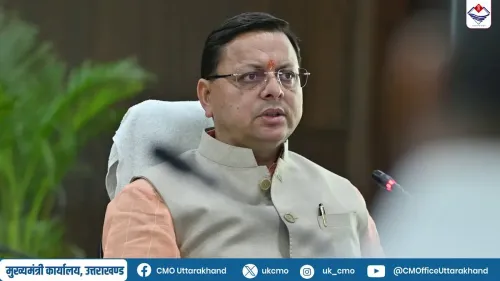
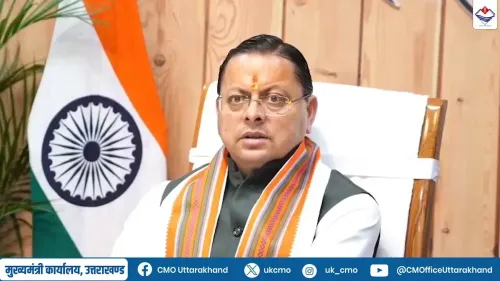
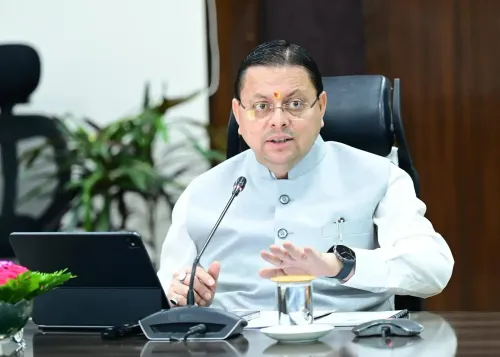
Posting images from the field, CM Dhami wrote that he reviewed the progress and quality of work being carried out under the Pothole-Free Campaign (Gaddhamukt Abhiyan) and inspected a Sulabh Sauchalay (public toilet facility) at Devprayag — assessing cleanliness standards and the amenities available to travellers. 'Providing safe, smooth and convenient travel along with better public facilities to the people of the state is our top priority,' he stated.
Why the Haridwar-Badrinath corridor matters
The Haridwar-Badrinath National Highway is not merely a road — it is the arterial lifeline of Uttarakhand's pilgrim economy. The route feeds directly into the Char Dham circuit, drawing millions of devotees annually to Badrinath, Kedarnath, Gangotri and Yamunotri. Since the Central Government's Char Dham Pariyojana was launched in 2016 to widen and upgrade these pilgrimage highways, the pressure on state agencies to maintain surface quality — particularly after brutal monsoon seasons — has intensified significantly.
Devprayag, where the Alaknanda and Bhagirathi rivers merge to form the Ganga, is both a pilgrimage halt and a logistical waypoint for the thousands of yatris and tourists who pass through daily. A poorly-maintained toilet block or a potholed stretch here is not a minor inconvenience — it is a safety and public-health issue at scale.
The Gaddhamukt Abhiyan under the microscope
The Pothole-Free Campaign is the Dhami government's active state initiative to restore and repair road surfaces across Uttarakhand. Inspections of this kind — conducted by the CM himself rather than delegated to PWD officials — signal direct executive accountability for a scheme that directly affects daily commuters, truck drivers, and pilgrims navigating the state's challenging mountain terrain.
Uttarakhand's hilly geography makes road maintenance perennially difficult; landslides, heavy rainfall, and high traffic loads combine to degrade surfaces faster than in plains states. Successive administrations have made highway condition a recurring political flashpoint, particularly in the months following the monsoon. An unannounced field inspection by the Chief Minister — mid-journey, not at a prepared site — carries a specific administrative signal: that execution, not merely announcement, is being watched.
Sanitation on the pilgrim trail
The Devprayag Sulabh Sauchalay check adds another dimension. Adequate, clean public toilets along pilgrim corridors have been a persistent gap flagged by travellers and local bodies. CM Dhami's decision to physically review facilities at Devprayag — and state publicly that 'clean and quality facilities for local citizens and travellers' are a continuous priority — puts sanitation infrastructure squarely alongside road quality as a governance metric on this route.
As the Char Dham Yatra season draws to a close each year and highway repair windows open up, the timing of such inspections matters. The condition in which the highway enters winter will determine readiness for the next pilgrimage season — and the revenue, safety, and reputation that come with it.
Point of View
The Char Dham corridor is not just infrastructure; it is the symbolic spine of Uttarakhand's identity and economy, and being seen personally monitoring it reinforces his hands-on administrator image. The dual focus on road quality and sanitation signals that the government is framing pilgrim welfare holistically — moving beyond just asphalt to the full travel experience. Whether inspection translates into accelerated on-ground repair will be the real test, and highway completion timelines will remain a key accountability benchmark.
NationPress
28 Oct 2026
Frequently Asked Questions
What is the Gaddhamukt Abhiyan in Uttarakhand?
The Gaddhamukt Abhiyan, or Pothole-Free Campaign, is an Uttarakhand state initiative focused on repairing and maintaining road surfaces across the state, including key national highways like the Haridwar-Badrinath corridor.
Why is the Haridwar-Badrinath National Highway important?
The Haridwar-Badrinath National Highway is a vital artery of the Char Dham pilgrimage circuit in Uttarakhand, used by millions of pilgrims and tourists annually to reach Badrinath and other sacred sites.
What is the Char Dham Pariyojana road project?
The Char Dham Pariyojana is a Central Government initiative launched in 2016 to widen and upgrade highways connecting the four major pilgrimage destinations — Badrinath, Kedarnath, Gangotri, and Yamunotri — in Uttarakhand.
What did CM Dhami inspect at Devprayag?
CM Pushkar Singh Dhami inspected a Sulabh Sauchalay (public toilet facility) at Devprayag, reviewing its cleanliness standards and the quality of amenities available to pilgrims and travellers passing through the town.
Why does Uttarakhand highway maintenance matter for pilgrims?
Uttarakhand's mountainous terrain, heavy monsoon rains, and high pilgrim traffic volumes lead to rapid road degradation, making regular maintenance critical for traveller safety and the state's tourism-driven economy.