CM Dhami Welcomes Badrinath Yatra Pilgrims, Pledges Full Support
Synopsis
Uttarakhand Chief Minister Pushkar Singh Dhami welcomed pilgrims to Badrinath Dham on 31 May 2026, pledging that his government will provide every possible facility, security, and assistance along the Char Dham Yatra route so that every devotee returns with a safe and fulfilling experience.
Key Takeaways
CM Pushkar Singh Dhami posted a formal welcome to Badrinath Dham pilgrims on 31 May 2026 .
The government has committed to providing 'every possible facility, security, and assistance' along the Char Dham Yatra corridor.
The stated goal is that every devotee visiting Devbhoomi leaves with a 'pleasant, safe, and faith-filled' travel experience.
The Char Dham All Weather Road project , approved in 2016 , remains the backbone of pilgrimage infrastructure in the state.
Local communities and millions of pilgrims each season are the primary stakeholders of improved yatra infrastructure.
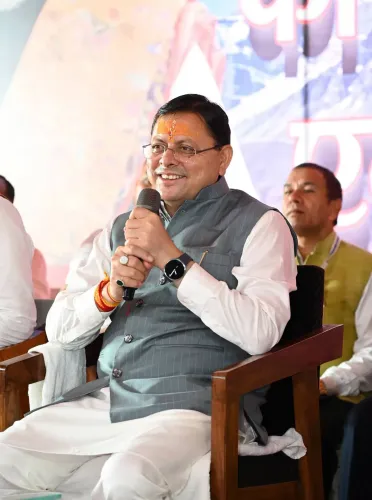
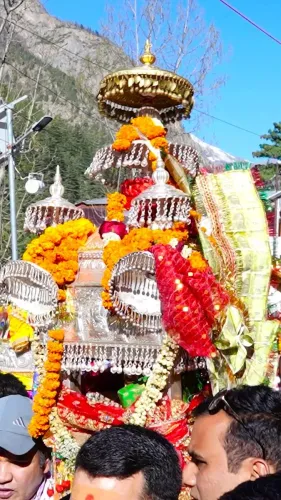
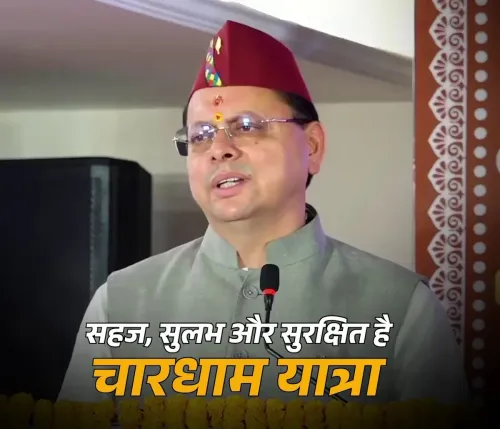
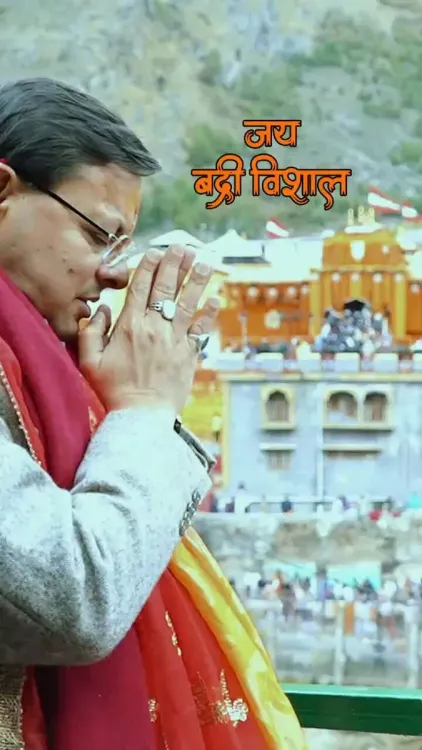
Uttarakhand Chief Minister Pushkar Singh Dhami on Sunday, 31 May 2026, extended a warm welcome to all pilgrims undertaking the sacred Badrinath Dham Yatra, reaffirming his government's commitment to ensuring maximum facilities, security, and assistance along the Char Dham pilgrimage corridor.
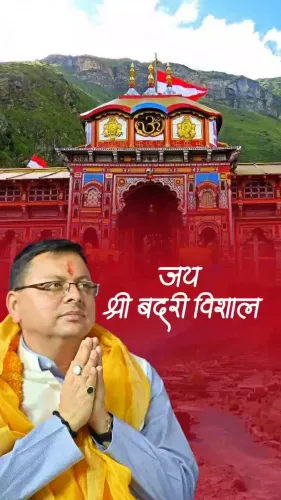
Posting on X with the invocation 'Jai Badri Vishal!' ('Glory to Lord Badri Vishal!'), CM Dhami wrote: 'A heartfelt welcome and felicitation to all devotees coming on the sacred journey to Shri Badrinath Dham. Our government is continuously working to provide every possible facility, security, and assistance to travellers on the Char Dham Yatra route. Our endeavour is that every devotee coming to Devbhoomi carries with them a pleasant, safe, and faith-filled travel experience.'
Context
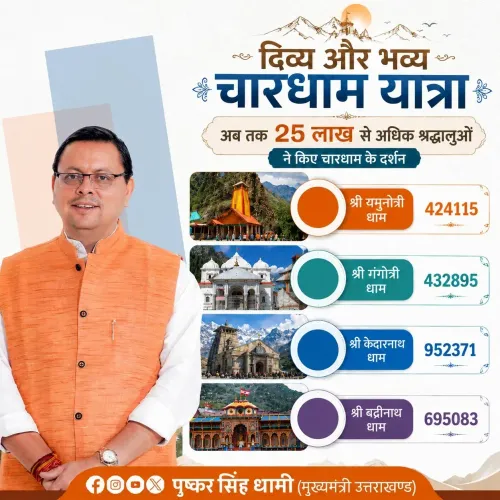
The Char Dham Yatra — covering Badrinath, Kedarnath, Gangotri, and Yamunotri — is one of India's most significant annual Hindu pilgrimages. Situated in Chamoli district of Uttarakhand, Badrinath Dham is dedicated to Lord Vishnu and draws hundreds of thousands of devotees each summer season. The pilgrimage is a cornerstone of Uttarakhand's identity as Devbhoomi ('Land of the Gods') and a major driver of the state's economy.
CM Dhami has consistently positioned pilgrim welfare and religious tourism infrastructure as priorities since assuming office in 2021. His statement on 31 May signals continued executive attention to the yatra season at its peak.
Policy Backdrop
The Char Dham All Weather Road project, approved by the central government in 2016, has been the flagship infrastructure initiative improving connectivity to all four pilgrimage sites. The project aims to widen mountain stretches and add safety features that had been identified as accident-prone in earlier seasons.
The Uttarakhand Government has over successive administrations coordinated with the central Ministry of Road Transport and the Border Roads Organisation (BRO) to upgrade roads, establish medical camps, and strengthen rescue infrastructure along the high-altitude corridor. These efforts fit within a broader national push to promote domestic pilgrimage circuits through improved physical access and regulated traffic management.
Stakeholders and Impact
The primary beneficiaries of these measures are the millions of pilgrims who travel to Uttarakhand each yatra season, many of them elderly or first-time visitors to high-altitude terrain. Reliable roads, medical facilities, and emergency response capacity directly affect their safety and experience.
Local communities along the Char Dham route — including hoteliers, transporters, guides, and vendors — also depend heavily on smooth yatra operations for their livelihoods. Improved pilgrim experience and higher footfall translate into direct economic benefit for these mountain communities.
What's Next
State authorities are expected to continue monitoring seasonal traffic regulations, helicopter and ropeway connectivity, and coordination with temple management committees through the peak summer window. Announcements on additional pilgrim amenities or emergency infrastructure upgrades may follow as the yatra season progresses.
With CM Dhami placing the government's credibility squarely behind the promise of a 'pleasant, safe, and faith-filled' experience, the administration will face close public scrutiny on whether on-ground facilities match the stated commitment through the remainder of the 2026 yatra season.
Point of View
Reinforcing the BJP-led state government's long-standing political identity as the custodian of Uttarakhand's religious heritage. The emphasis on safety and facilities is not merely ceremonial — it reflects lessons drawn from past seasons when accidents and infrastructure failures drew criticism. By placing the government's commitment on record at the season's height, Dhami is also pre-empting accountability questions should incidents occur. The statement sits within a wider BJP pattern of intertwining governance messaging with religious pilgrimage, using Devbhoomi's identity as both a policy frame and a political asset.
NationPress
14 Oct 2026
Frequently Asked Questions
When does Badrinath Dham Yatra 2026 open and close?
The exact opening and closing dates for the Badrinath Dham Yatra 2026 are announced by the temple committee each year, typically in April or May, with the shrine closing around November before winter snowfall. CM Dhami's 31 May 2026 post indicates the yatra season is actively under way.
What facilities does the Uttarakhand government provide for Char Dham pilgrims?
The Uttarakhand government provides road maintenance, medical camps, emergency rescue services, and traffic regulation along the Char Dham route. These are supported by the Char Dham All Weather Road project and coordination with the Border Roads Organisation.
What is the Char Dham All Weather Road project?
The Char Dham All Weather Road project was approved by the central government in 2016 to widen and upgrade mountain roads connecting Badrinath, Kedarnath, Gangotri, and Yamunotri, improving safety and year-round accessibility for pilgrims.
Who is Pushkar Singh Dhami and what is his role in the Char Dham Yatra?
Pushkar Singh Dhami is the Chief Minister of Uttarakhand and a BJP leader who has held office since 2021. As chief minister, he oversees state administration including pilgrim safety, infrastructure development, and religious tourism along the Char Dham corridor.
How important is the Char Dham Yatra to Uttarakhand's economy?
The Char Dham Yatra is one of the largest contributors to Uttarakhand's economy, supporting livelihoods of local communities including hoteliers, transporters, guides, and vendors across the mountain route. Millions of pilgrims visit each season, making religious tourism a critical economic pillar for the state.