CM Dhami Invokes Jai Shri Badri Vishal in Devotional Post
Synopsis
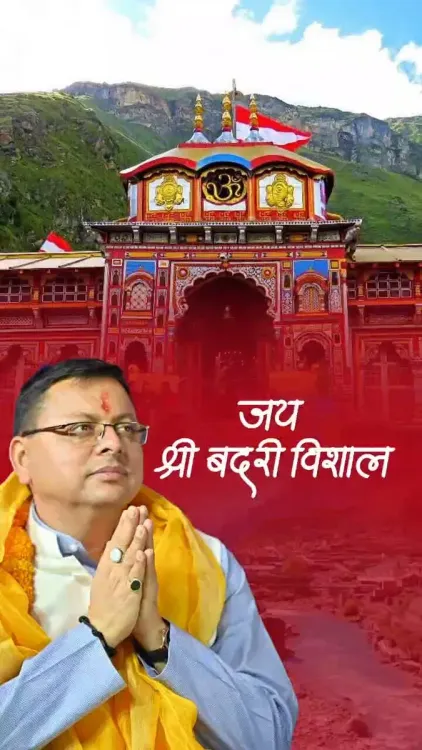
Uttarakhand Chief Minister Pushkar Singh Dhami invoked Lord Badri Vishal on X on 18 June 2026 with a devotional salutation and video, reinforcing the state's identity as India's premier Hindu pilgrimage destination during the active Char Dham Yatra season.
Key Takeaways
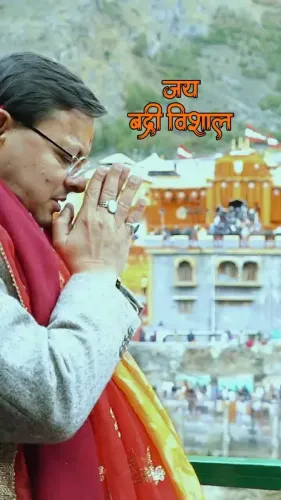
CM Pushkar Singh Dhami posted 'Jai Shri Badri Vishal' on X on 18 June 2026 , with an accompanying video.
The Badrinath Temple in Chamoli district is one of four sites on the annual Char Dham Yatra pilgrimage circuit.
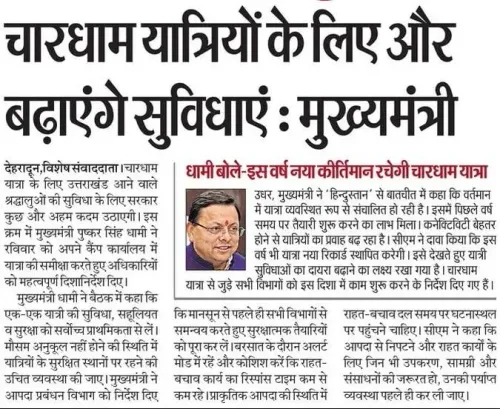
The central government's Char Dham road connectivity project , approved in 2016 , aims to improve pilgrim access to all four shrines.
BJP -led Uttarakhand administrations have consistently paired devotional messaging with infrastructure investment in pilgrimage corridors.
Tourism-dependent communities along pilgrimage routes are key stakeholders in the state's annual Char Dham season.
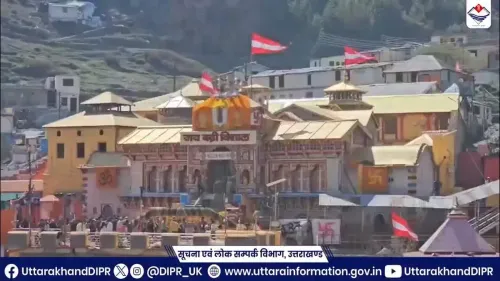
Uttarakhand Chief Minister Pushkar Singh Dhami on Thursday, 18 June 2026 posted a devotional salutation to Lord Badri Vishal on X, invoking the presiding deity of the Badrinath Temple with the phrase 'Jai Shri Badri Vishal' — a traditional greeting meaning 'Victory to the great Lord Badri.' The post, accompanied by a video, reflects the Chief Minister's ongoing cultural outreach centred on Uttarakhand's most revered Himalayan shrine.
Context
The Badrinath Temple, situated in the Chamoli district of Uttarakhand at an altitude of roughly 3,133 metres, is dedicated to Lord Vishnu and stands as one of the four sacred sites of the Char Dham Yatra. The shrine typically opens each summer after the winter snowfall recedes, drawing millions of Hindu pilgrims from across India and abroad. CM Dhami's salutation aligns with the active pilgrimage season, during which the state government's attention to Badrinath is at its highest.
Policy Backdrop
The central government approved the Char Dham road connectivity project in 2016 to widen and upgrade the highways linking Badrinath, Kedarnath, Gangotri and Yamunotri, aiming to ease access for pilgrims and reduce travel time on treacherous mountain roads. Successive BJP administrations in Uttarakhand have paired such cultural messaging with infrastructure investment, positioning the state as the foremost Hindu pilgrimage destination in the country. CM Dhami has continued this approach since taking office in 2021, regularly marking temple events and pilgrimage milestones through public communication.
Stakeholders and Impact
The Char Dham Yatra is a critical economic driver for Uttarakhand, with tourism-dependent communities — hoteliers, transporters, priests, and small traders along pilgrimage corridors — relying heavily on annual footfall. Devotional posts by the Chief Minister serve as soft signals to pilgrims that the state's leadership is attentive to shrine affairs and pilgrim welfare. For the broader BJP political base, such messages reinforce the party's Hindu cultural identity in a state where religious tourism and governance are deeply intertwined.
What's Next
Observers will watch for state government announcements on crowd-management protocols, health infrastructure, and budget allocations for Badrinath shrine facilities ahead of peak pilgrimage weeks. Any policy decisions on pilgrim registration caps or road safety upgrades on the Chamoli highway corridor will directly affect the 2026 Char Dham Yatra season's success. The Chief Minister's continued public engagement with the shrine is likely to precede or accompany such administrative measures.
Point of View
Timed during the active Char Dham season, functions simultaneously as devotional outreach and a soft reminder of the state government's custodianship over India's most prominent Himalayan pilgrimage circuit. This pattern of cultural messaging, when read alongside the Centre's ongoing Char Dham infrastructure push, suggests a long-term effort to make Uttarakhand synonymous with both spiritual heritage and modern pilgrim infrastructure. The political dividend of such messaging is most visible in the hills, where shrine-related governance decisions carry outsized electoral weight.
NationPress
19 Sept 2026
Frequently Asked Questions
What does 'Jai Shri Badri Vishal' mean?
'Jai Shri Badri Vishal' is a traditional Hindu salutation meaning 'Victory to the great Lord Badri,' invoking Lord Vishnu as enshrined at the Badrinath Temple in Uttarakhand.
Where is the Badrinath Temple located?
The Badrinath Temple is located in the Chamoli district of Uttarakhand, at an altitude of approximately 3,133 metres in the Himalayas.
What is the Char Dham Yatra?
The Char Dham Yatra is an annual summer Hindu pilgrimage to four sacred shrines in Uttarakhand — Badrinath, Kedarnath, Gangotri, and Yamunotri — drawing millions of devotees each year.
Who is Pushkar Singh Dhami?
Pushkar Singh Dhami is a BJP leader serving as the Chief Minister of Uttarakhand since 2021.
What is the Char Dham road connectivity project?
The Char Dham road connectivity project, approved by the central government in 2016, is an infrastructure initiative to widen and upgrade highways connecting the four Char Dham pilgrimage sites in Uttarakhand.