CM Dhami Invokes Baba Kedar in Devotional Post
Synopsis
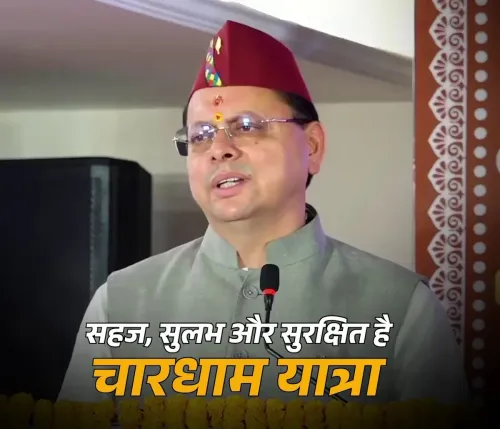
Uttarakhand Chief Minister Pushkar Singh Dhami invoked Kedarnath with a devotional post on X on 17 June 2026, during the peak Char Dham Yatra season. The message aligns with the BJP-led state government's sustained emphasis on pilgrimage heritage and Himalayan tourism infrastructure.
Key Takeaways
CM Pushkar Singh Dhami posted 'Jai Baba Kedar' on X on 17 June 2026 , with an accompanying video.
Kedarnath Temple is one of the 12 Jyotirlingas and a central node of the Char Dham Yatra in Uttarakhand.
The post falls during the peak pilgrimage season , which typically runs from May to November .
Post- 2013 floods , successive governments have invested in all-weather roads, helicopter services, and pilgrim management systems for the Kedarnath route.
Monsoon preparedness and 2026 Char Dham Yatra logistics remain key areas to watch as the rainy season approaches.
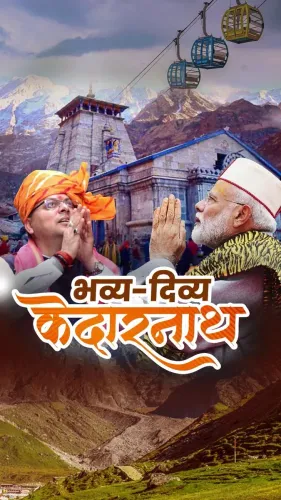
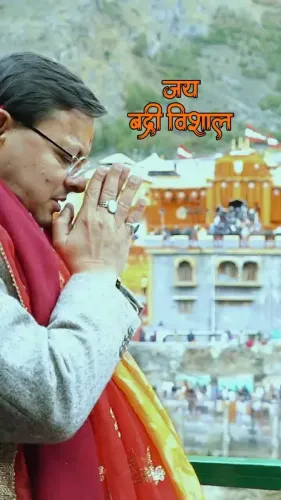
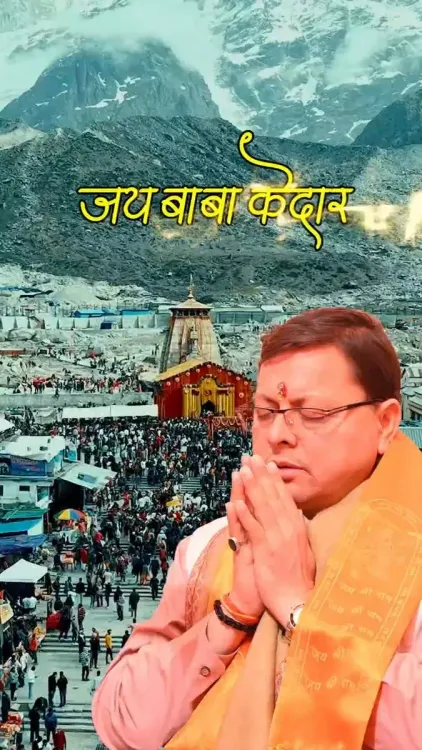
Uttarakhand Chief Minister Pushkar Singh Dhami on Wednesday, 17 June 2026, posted a devotional message on X invoking the blessing of Kedarnath, one of Hinduism's most revered Jyotirlingas, with the words 'Jai Baba Kedar' — 'Victory to Baba Kedar' — accompanied by a video.
Context
Kedarnath Temple, nestled in the Garhwal Himalayas of Uttarakhand at an altitude of roughly 3,583 metres, is one of the 12 Jyotirlingas and a key node of the Char Dham Yatra circuit. The shrine opens seasonally each year, typically between May and November, drawing hundreds of thousands of pilgrims from across India. The June timing of Dhami's post falls squarely within the peak pilgrimage season.
For Uttarakhand's BJP leadership, public invocations of Kedarnath carry layered significance — devotional, cultural, and political — as the state's identity is deeply intertwined with its Himalayan pilgrimage heritage. Chief Minister Dhami has consistently used his public platforms to signal personal faith and institutional commitment to the pilgrimage economy.
Policy Backdrop
The 2013 Kedarnath floods were a watershed moment for pilgrimage infrastructure in Uttarakhand, triggering a sustained push by successive state and central governments to widen roads, improve disaster preparedness, and upgrade facilities along the Char Dham route. The Char Dham Mahamarg Vikas Pariyojana, launched from 2014 onward, aimed to build all-weather connectivity to the four shrines — Kedarnath, Badrinath, Gangotri, and Yamunotri.
In parallel, helicopter services to Kedarnath have expanded significantly, offering faster access for elderly and mobility-limited pilgrims. State authorities have also progressively tightened registration and capacity-management systems for the Char Dham Yatra to prevent overcrowding on the high-altitude route.
Stakeholders and Impact
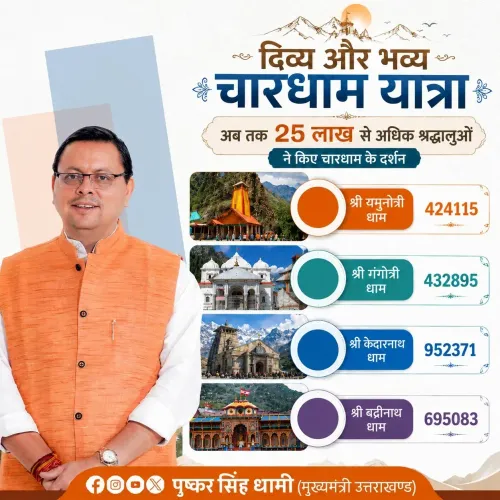
Pilgrims travelling to Kedarnath during the 2026 Char Dham season represent the most immediate stakeholder group, with footfall in recent years running into several lakh visitors per season. Local tourism operators — including hoteliers, pony and palki services, and helicopter companies — depend heavily on the May-to-November window for the bulk of their annual revenue.
Dhami's consistent public messaging around Kedarnath also reinforces the state government's positioning as a custodian of Hindu pilgrimage culture, a theme that resonates with Uttarakhand's voter base and with the broader national conversation around cultural heritage and religious tourism.
What's Next
With the peak pilgrimage season underway, attention will turn to the state government's 2026 Char Dham Yatra logistics — including helicopter service capacity, real-time pilgrim registration data, and monsoon preparedness measures for the Kedarnath trekking route, which remains vulnerable to landslides and flash floods between July and September.
Any state-level announcements on infrastructure upgrades or emergency response protocols ahead of the monsoon will be closely watched by both pilgrims and the tourism sector dependent on a safe and well-managed yatra season.
Point of View
Such messaging also serves to keep the state's pilgrimage economy in the public conversation. It reflects the broader national BJP strategy of weaving religious heritage into governance optics without making explicit policy claims.
NationPress
16 Sept 2026
Frequently Asked Questions
What did Uttarakhand CM Dhami post about Kedarnath?
CM Pushkar Singh Dhami posted a short devotional message — 'Jai Baba Kedar' ('Victory to Baba Kedar') — on X on 17 June 2026, along with a video, invoking the blessing of Kedarnath temple.
When does Kedarnath Temple open and close each year?
Kedarnath Temple typically opens for pilgrims in May and closes in November each year, with exact dates determined by the Hindu calendar and announced by temple authorities.
What is the Char Dham Yatra in Uttarakhand?
The Char Dham Yatra is a Hindu pilgrimage circuit in Uttarakhand covering four sacred shrines — Kedarnath, Badrinath, Gangotri, and Yamunotri — drawing lakhs of devotees every season.
What infrastructure exists for pilgrims going to Kedarnath?
Since the 2013 floods, the state government has developed all-weather roads under the Char Dham highway project, expanded helicopter services, and introduced online pilgrim registration to manage the high volume of visitors.
Who is Pushkar Singh Dhami?
Pushkar Singh Dhami is a BJP leader and the Chief Minister of Uttarakhand, serving since 2021. He frequently highlights the state's religious sites and pilgrimage infrastructure in his public communications.