CM Dhami's Char Dham Yatra Sets New Records in 2026
Synopsis
The Chief Minister's Office of Uttarakhand declared on 30 September 2026 that the Char Dham Yatra is setting new records this season under CM Pushkar Singh Dhami, reflecting years of infrastructure investment and rising pilgrim footfall across Badrinath, Kedarnath, Gangotri and Yamunotri.
Key Takeaways
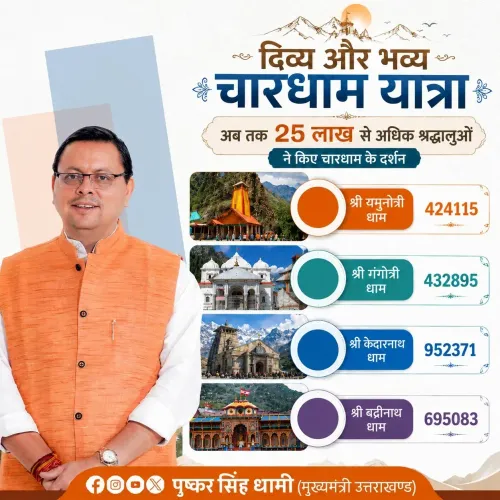
The Chief Minister's Office of Uttarakhand announced on 30 September 2026 that the Char Dham Yatra is setting new records under CM Pushkar Singh Dhami .
The Char Dham circuit covers four sacred Himalayan shrines: Badrinath, Kedarnath, Gangotri and Yamunotri , typically open April to November .
The Char Dham All-Weather Road Project , approved in 2016 , has progressively improved connectivity to all four shrines, enabling higher pilgrim volumes.
Uttarakhand's local economy — hotels, transport, helicopter services — is directly tied to pilgrimage traffic, making a record season economically significant.
Final 2026 footfall figures from the Uttarakhand Tourism Development Board are awaited and will shape policy for the 2027 season .
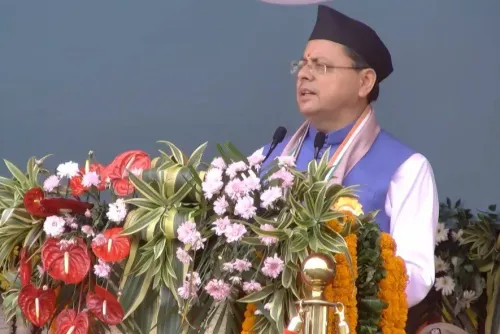
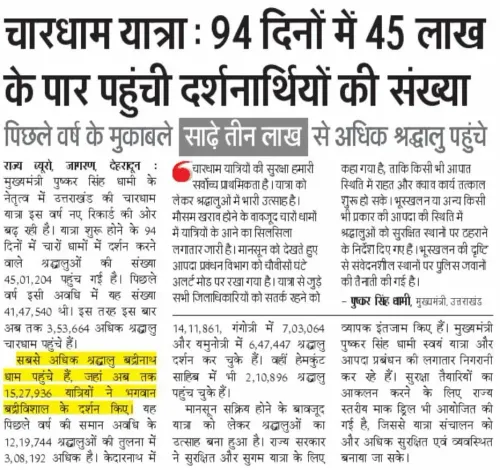
Record after record — that is the story Uttarakhand's Char Dham Yatra is writing in 2026, and the Chief Minister's Office of Uttarakhand wants the country to know it. Under the stewardship of Chief Minister Pushkar Singh Dhami, the annual pilgrimage to the four sacred Himalayan shrines is surpassing its own benchmarks, the CMO announced on Wednesday, 30 September 2026.
The post, shared by the official CMO handle, proclaimed: 'Mukhyamantri Shri Pushkar Singh Dhami ke kushal netritva mein sanchaalit Uttarakhand ki Chardham Yatra mein ban rahe nit naye record' — 'New records are being set day after day in the Char Dham Yatra of Uttarakhand, conducted under the able leadership of Chief Minister Pushkar Singh Dhami.'The four shrines at the heart of it all
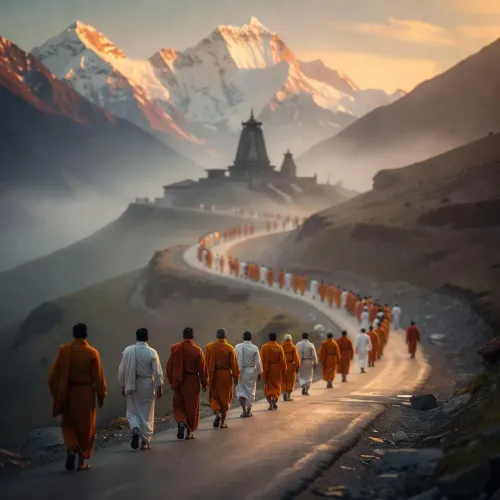
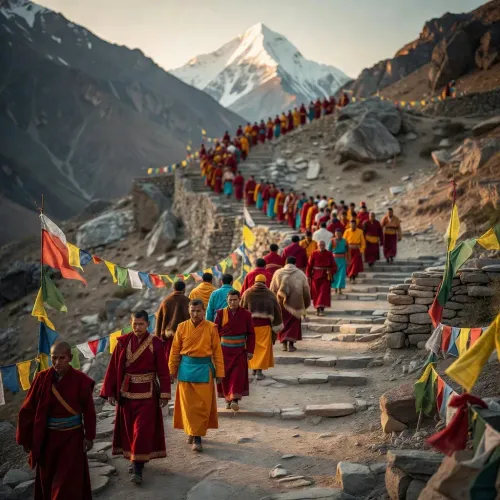
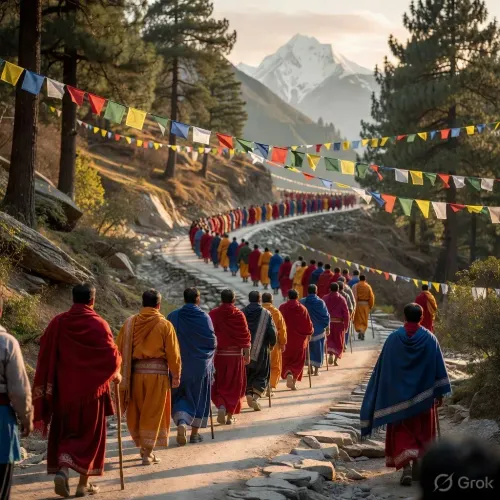
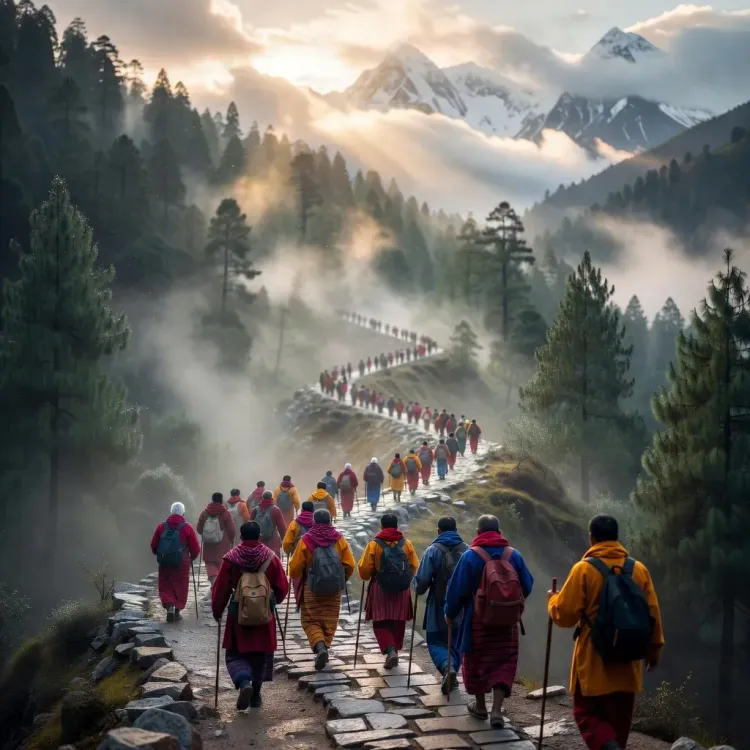
The Char Dham Yatra connects pilgrims to the four holiest sites in the Garhwal Himalayas — Badrinath, Kedarnath, Gangotri and Yamunotri. The circuit typically opens each spring after the winter snows retreat and closes before the onset of the harsh Himalayan winter, usually running from April through November. For millions of Hindu devotees across India, completing the Char Dham is a lifetime ambition.
Uttarakhand's economy is deeply intertwined with this pilgrimage. Local hotels, transportation operators, priests, shopkeepers and helicopter service providers all depend on the seasonal influx of devotees. A record-breaking season translates directly into livelihoods, making the CMO's announcement more than a spiritual milestone — it is economic news for an entire mountain state.
Infrastructure that made the numbers possible
The pilgrimage's rising footfall did not happen by accident. The Char Dham All-Weather Road Project, approved by the central government in 2016, has been progressively upgrading connectivity to all four shrines, easing one of the pilgrimage's historic bottlenecks. Wider, more reliable roads mean more buses, more taxis and more pilgrims reaching the shrines safely — even in unpredictable mountain weather.
Successive state governments have paired road upgrades with crowd-management systems, online registration portals and emergency-response frameworks. CM Dhami's administration has continued this trajectory, routinely citing record footfall as proof that the investment in infrastructure and governance is paying off for both pilgrims and the local economy.
What a record season signals for 2027
With the 2026 yatra season still open and final figures yet to be released by the Uttarakhand Tourism Development Board, the full scale of this year's achievement will crystallise in the weeks ahead. The numbers will inform decisions on helicopter service slots, online registration caps and emergency preparedness measures before the 2027 season opens.
For a state that has staked its brand on being India's spiritual crown, a record-breaking Char Dham Yatra is both an endorsement of its infrastructure ambitions — and a pressure test for everything that must go right next year.Point of View
Linking record footfall directly to the ruling dispensation's administrative credentials. For the Dhami government, a record-breaking 2026 season reinforces its core pitch — that BJP-led governance has made the state safer and more accessible for pilgrims. The broader arc points to a deliberate state-level strategy of positioning spiritual tourism as an economic engine, with infrastructure spending and digital management tools as the levers. The real test, however, will come when final verified figures are published and scrutinised against crowd-safety and environmental benchmarks.
NationPress
30 Sept 2026
Frequently Asked Questions
What is the Char Dham Yatra in Uttarakhand?
The Char Dham Yatra is an annual Hindu pilgrimage to four sacred sites in Uttarakhand's Garhwal Himalayas — Badrinath, Kedarnath, Gangotri and Yamunotri — typically running from April to November each year.
Who is the Chief Minister of Uttarakhand in 2026?
Pushkar Singh Dhami, a BJP leader, has served as Chief Minister of Uttarakhand since July 2021 and has made pilgrimage tourism a central part of his administration's agenda.
Why is the Char Dham Yatra important for Uttarakhand's economy?
Religious tourism is one of Uttarakhand's primary economic pillars. Hotels, local transport operators, priests, shopkeepers and helicopter services all depend heavily on the annual pilgrim influx, so record footfall has a direct positive impact on livelihoods across the state.
What infrastructure has been built to support the Char Dham Yatra?
The central government approved the Char Dham All-Weather Road Project in 2016 to upgrade connectivity to all four shrines, complemented by online registration systems and crowd-management frameworks introduced by successive state governments.
When will the final Char Dham Yatra 2026 pilgrim numbers be released?
Final footfall statistics for the 2026 season are expected from the Uttarakhand Tourism Development Board after the yatra closes, likely in November 2026, and will inform planning decisions for the 2027 pilgrimage season.