Uttarkashi's Ramleela Maidan Hosts Mini Saras Aajeevika Mela
Synopsis
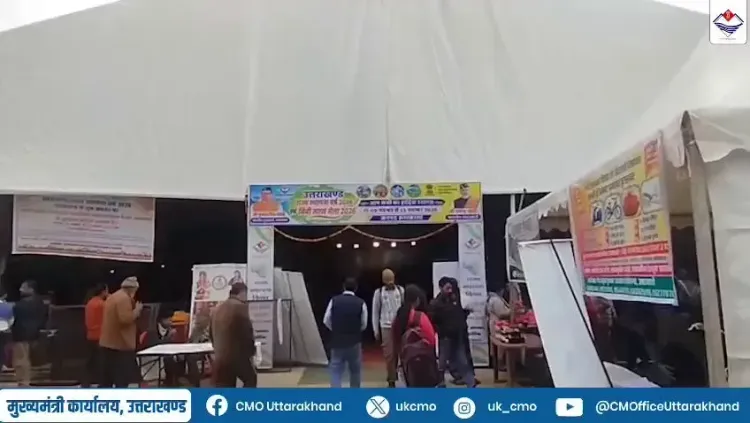
The Chief Minister's Office of Uttarakhand spotlighted the Mini Saras Aajeevika Mela at Uttarkashi's historic Ramleela Maidan on 14 November 2026, showcasing women-led self-help groups and rural livelihoods under the DAY-NRLM framework.
Key Takeaways
The Mini Saras Aajeevika Mela is being held at the historic Ramleela Maidan in Uttarkashi , Uttarakhand.
The event was highlighted by the Chief Minister's Office of Uttarakhand on 14 November 2026 as a symbol of women's empowerment.
Saras Aajeevika Melas are district and state-level fairs under the Deendayal Antyodaya Yojana – National Rural Livelihoods Mission (DAY-NRLM) , launched in 2011 .
The fairs provide direct market access to women-led self-help groups (SHGs) in rural and remote hill areas.
Uttarakhand uses district-level Saras melas as stepping stones for SHGs to reach larger state and national platforms.
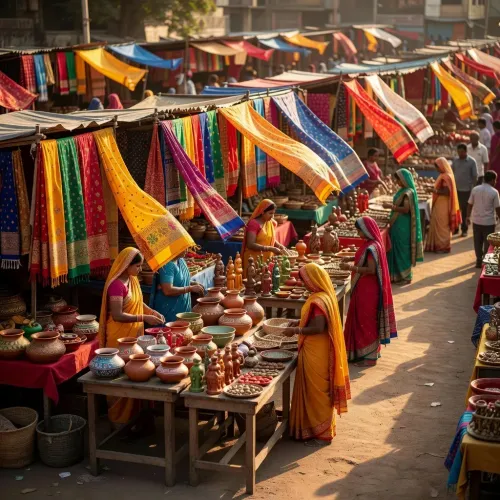
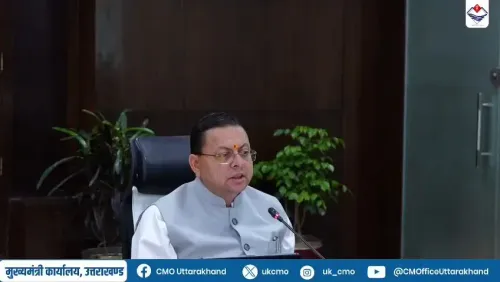
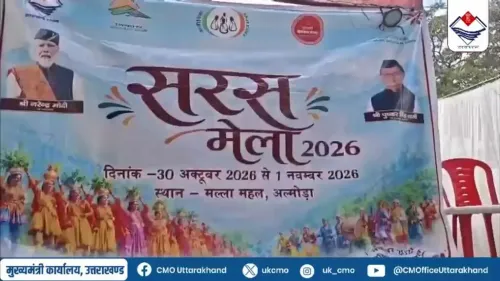
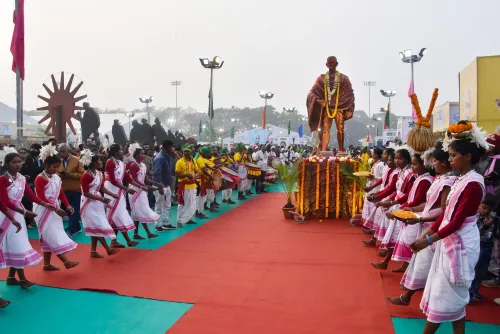
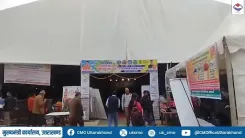
In the hill district of Uttarkashi, the historic Ramleela Maidan has transformed into a vibrant showcase of women's economic power — with the Mini Saras Aajeevika Mela putting rural self-help groups and their crafts squarely in the spotlight. The Chief Minister's Office of Uttarakhand shared the moment on Saturday, 14 November 2026, calling it 'a magnificent picture of women's empowerment.'
A Fair Built on Self-Help, Rooted in Policy
The Saras Aajeevika Mela is no ordinary market. It is the retail face of the Deendayal Antyodaya Yojana – National Rural Livelihoods Mission (DAY-NRLM), the central government's flagship programme launched in 2011 to build and scale women-led self-help groups (SHGs) across rural India. The mission's core promise: connect women producers directly to buyers, cutting out middlemen and putting earnings back into household hands.
Uttarakhand has leaned into this model with district-level Saras melas, particularly in remote hill areas where geography has long been a barrier to market access. For women in a terrain like Uttarkashi — a district better known for its pilgrimage routes than its commerce — a fair on the Ramleela Maidan is a rare and significant platform.
Why Uttarkashi Makes This Moment Count
Uttarkashi sits deep in the Garhwal Himalayas, its economy shaped by agriculture, pastoralism, and seasonal pilgrimage traffic. For SHG members here, sustained market linkage has historically been elusive. A 'mini' Saras mela at the district level brings the fair to the producer rather than asking the producer to travel to a state capital — a practical acknowledgement of the access gap that defines hill livelihoods.
The broader pattern is deliberate. Uttarakhand has used these district fairs as feeder events, building the confidence and commercial exposure of local groups before they compete at larger state or national Saras platforms. The women who sell here today are the participants who may represent the state tomorrow.
What the Mela Signals for Women's Economic Participation
The CMO's framing — 'mahila sashaktikaran ki ek shandar tasveer' ('a magnificent picture of women's empowerment') — is more than ceremonial language. It reflects a state government posture that treats livelihood fairs as visible, shareable proof of policy delivery. The mela doubles as political communication: governance that can be filmed, posted, and felt.
The real measure, though, will come in the numbers: sales figures, the count of participating SHGs, and whether Uttarkashi groups earn repeat berths at larger Saras events. Those outcomes will tell the fuller story of whether the fair's energy translates into lasting economic uplift for the women at its stalls.
For now, the Ramleela Maidan — a ground built for epic storytelling — is hosting a quieter but equally consequential one: women from the hills, selling what they made, on their own terms.
Point of View
Where geographic isolation limits women's economic mobility, district-level fairs carry outsized policy significance. The real test of intent, however, lies in whether these events generate measurable, sustained income gains for SHG members — not just compelling visuals.
NationPress
15 Nov 2026
Frequently Asked Questions
What is the Saras Aajeevika Mela?
The Saras Aajeevika Mela is a government-organised fair under the Deendayal Antyodaya Yojana – National Rural Livelihoods Mission (DAY-NRLM) that gives women-led self-help groups a platform to sell their products directly to consumers, bypassing middlemen.
Where is the Mini Saras Aajeevika Mela in Uttarkashi being held?
The Mini Saras Aajeevika Mela is being held at the historic Ramleela Maidan in Uttarkashi, a district in the Garhwal Himalayas region of Uttarakhand.
What is DAY-NRLM and when was it launched?
DAY-NRLM, or the Deendayal Antyodaya Yojana – National Rural Livelihoods Mission, was launched in 2011 by the central government to build and support women-led self-help groups and improve their access to markets and financial services.
How does Uttarakhand support women's self-help groups in hill areas?
Uttarakhand organises district-level Saras melas to bring market access directly to SHG members in remote hill areas, using these events as feeder platforms for larger state and national livelihood fairs.
Why is the Uttarkashi Saras mela significant for rural women?
Uttarkashi's remote Himalayan geography limits market access for rural women producers. A local mela at the Ramleela Maidan allows SHG members to sell their goods without travelling to distant urban centres, making economic participation more practical and inclusive.