3 Saras Melas Planned in NCR: Oct 2026–Feb 2027 Schedule
Synopsis
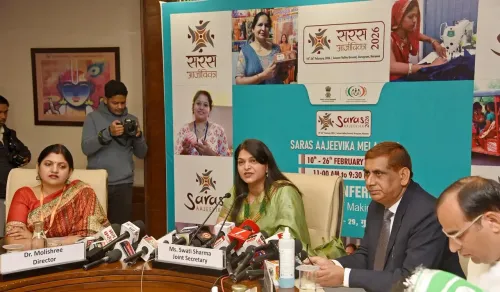
The Ministry of Rural Development has locked in three Saras Aajeevika Melas across NCR — at Gurugram, Sunder Nursery, and Major Dhyan Chand Stadium — between October 2026 and February 2027, giving rural SHG women direct urban market access. The 28-day February 2027 edition will be the longest in this cycle.
Key Takeaways
Three Saras Melas are planned in NCR between October 2026 and February 2027 by the Ministry of Rural Development .
Saras Aajeevika Mela 2026 will be held at Leisure Valley Park, Gurugram , from October 22 to November 6, 2026 (17 days).
Saras Food Festival 2026 will take place at Sunder Nursery, New Delhi , from November 21 to December 8, 2026 (18 days).
Saras Aajeevika Mela 2027 — the longest edition at 28 days — will be held at Major Dhyan Chand National Stadium, New Delhi , from February 1 to 28, 2027 .
The melas operate under DAY-NRLM and support rural Self-Help Group (SHG) women across all States and Union Territories.
The initiative promotes 'Vocal for Local' , Atmanirbhar Bharat , and capacity building in packaging, branding, and marketing for rural artisans.
The Ministry of Rural Development has announced three Saras Aajeevika Melas across the National Capital Region (NCR) between October 2026 and February 2027, reinforcing the government's push to uplift rural livelihoods, promote women entrepreneurship, and preserve India's traditional crafts. The fairs, held under the flagship Deendayal Antyodaya Yojana – National Rural Livelihoods Mission (DAY-NRLM), will directly connect rural Self-Help Group (SHG) members with urban consumers across three high-footfall venues.
Full Schedule of Saras Melas 2026–27
The first event, Saras Aajeevika Mela 2026, is scheduled at Leisure Valley Park, Gurugram, running for 17 days from October 22 to November 6, 2026. This will be followed by the Saras Food Festival 2026 at Sunder Nursery, New Delhi, spanning 18 days from November 21 to December 8, 2026.
The series culminates with the Saras Aajeevika Mela 2027 at the iconic Major Dhyan Chand National Stadium, New Delhi, running for a full 28 days from February 1 to February 28, 2027 — the longest edition in this calendar cycle.
What Are Saras Aajeevika Melas
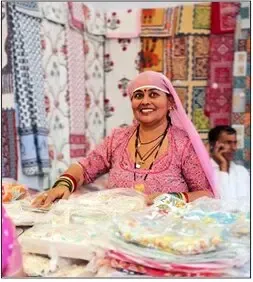
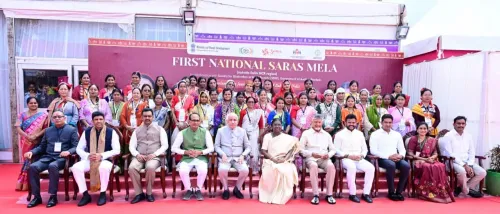
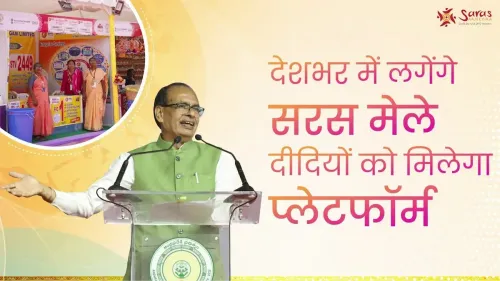
Saras Aajeevika Melas are among the most prominent grassroots commerce events in India, operating under DAY-NRLM — the government's largest rural poverty alleviation programme. These fairs bring together SHG members from all States and Union Territories, giving rural women a rare direct-to-consumer marketplace without middlemen.
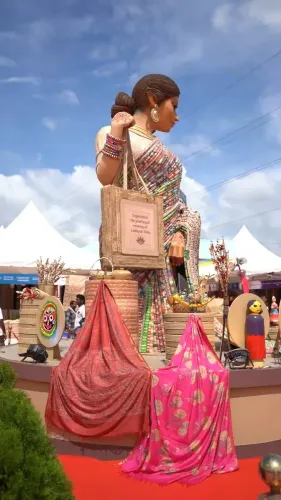
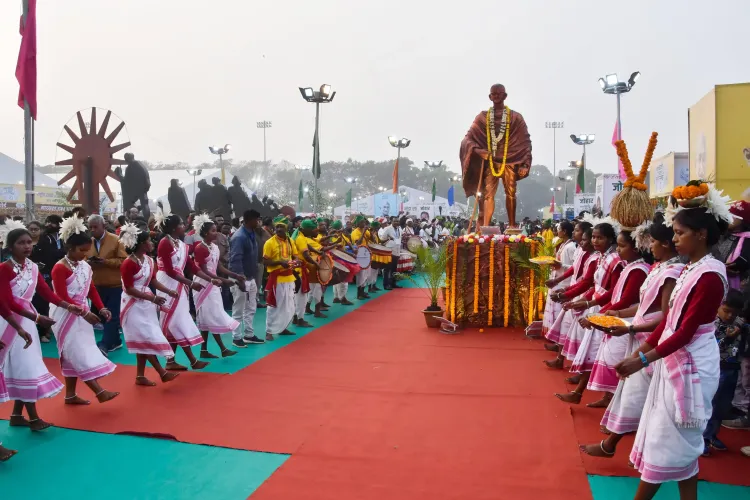
Products on display typically include handlooms, handicrafts, natural and organic goods, and regional cuisines — a living showcase of India's diverse cultural and artisanal heritage. The events also feature traditional art performances, making them as much a cultural festival as a commerce platform.
Why These Melas Matter for Rural Women
For millions of rural women enrolled in Self-Help Groups, Saras Melas represent one of the few structured opportunities to access urban markets and build brand visibility. The direct market linkage eliminates exploitative supply chains that typically erode artisan earnings.
The initiative actively supports 'Vocal for Local' and Atmanirbhar Bharat goals by channelling urban consumer spending toward rural producers. Capacity-building support in packaging, branding, and marketing is also provided to participating SHGs, helping them compete in modern retail environments.
According to government data, DAY-NRLM has mobilised over 10 crore rural women into SHGs across India — one of the world's largest women's collective networks. Saras Melas serve as the commercial crown of this massive social infrastructure.
Broader Economic and Policy Context
This announcement comes as the government intensifies its rural economy agenda ahead of key state election cycles. Notably, Saras Melas have recorded consistently rising footfall and sales figures over successive editions, with the New Delhi editions historically attracting the highest urban consumer participation.
The decision to host the longest edition — 28 days — at Major Dhyan Chand National Stadium signals an ambition to scale both participation and sales volume in the 2027 edition. Analysts note that locating these events in premium NCR venues — Gurugram's Leisure Valley and Delhi's Sunder Nursery — maximises exposure to high-purchasing-power urban audiences, directly boosting SHG revenues.
Beyond economics, the Saras Food Festival format introduced in this cycle reflects a strategic pivot to tap India's booming food tourism and artisanal food market — a segment growing at double digits annually.
What to Expect Next
With the 2026–27 Saras Mela calendar now officially confirmed, participating SHGs from across India will begin registration and product curation processes in the months ahead. The Ministry of Rural Development is expected to release detailed participation guidelines and vendor registration windows closer to the October 2026 launch date.
These three events collectively represent a significant expansion of the Saras platform's NCR footprint and are likely to set new benchmarks for rural artisan commerce in the upcoming financial year.
Point of View
DAY-NRLM's 10-crore-strong SHG ecosystem, can translate social mobilisation into sustainable market income. Placing the longest edition at Major Dhyan Chand Stadium signals political intent ahead of electoral cycles, but the real measure will be post-mela income data for participating artisans. The introduction of a dedicated Food Festival format is a shrewd pivot toward India's exploding artisanal food economy — but without robust post-event e-commerce linkages, the income gains risk remaining episodic rather than structural.
NationPress
21 Oct 2026
Frequently Asked Questions
When and where will Saras Aajeevika Mela 2026 be held?
Saras Aajeevika Mela 2026 will be held at Leisure Valley Park, Gurugram, from October 22 to November 6, 2026, for 17 days. It is organised under the DAY-NRLM by the Ministry of Rural Development.
What is the Saras Food Festival 2026 and where will it take place?
The Saras Food Festival 2026 will be held at Sunder Nursery, New Delhi, from November 21 to December 8, 2026, spanning 18 days. It will showcase regional cuisines and food products made by rural SHG women from across India.
How long will the Saras Aajeevika Mela 2027 run?
Saras Aajeevika Mela 2027 will run for 28 days, from February 1 to February 28, 2027, at Major Dhyan Chand National Stadium, New Delhi. This is the longest edition in the 2026–27 Saras Mela calendar.
What is DAY-NRLM and how are Saras Melas connected to it?
DAY-NRLM (Deendayal Antyodaya Yojana – National Rural Livelihoods Mission) is India's flagship rural poverty alleviation programme that has mobilised over 10 crore women into Self-Help Groups. Saras Melas are its flagship commercial events, giving SHG members direct access to urban markets.
Who can participate in Saras Aajeevika Melas?
SHG members and rural artisans from all States and Union Territories of India are eligible to participate in Saras Aajeevika Melas. Participants showcase handlooms, handicrafts, natural products, and regional foods, with support for branding and marketing.