Uttarakhand SHG women cross ₹1 crore in sales at Saras Food Fest
Synopsis
Women from Uttarakhand self-help groups sold over ₹1 crore worth of goods at the Saras Food Festival 2026 in Dehradun, reflecting CM Pushkar Singh Dhami's push for women entrepreneurship and local product promotion under DAY-NRLM.
Key Takeaways
Women self-help groups at the Saras Food Festival 2026 in Dehradun recorded sales of over ₹1 crore .
The achievement was announced by the Chief Minister's Office of Uttarakhand on October 14, 2026 .
The festival is part of the national Saras Mela series under DAY-NRLM , designed to give SHG products direct urban market access.
CM Pushkar Singh Dhami has positioned women entrepreneurship and local branding as a core pillar of his administration since 2021 .
Uttarakhand has participated in the Saras Mela circuit since at least 2017 , progressively building SHG-to-market pipelines.
The next policy signal to watch: SHG marketing infrastructure allocations in the upcoming Uttarakhand assembly session .
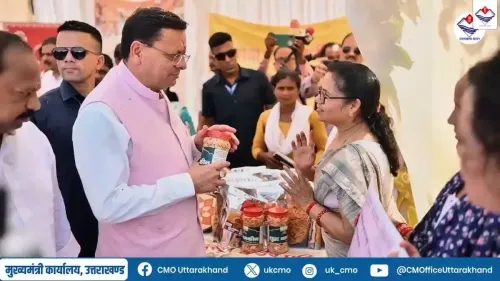
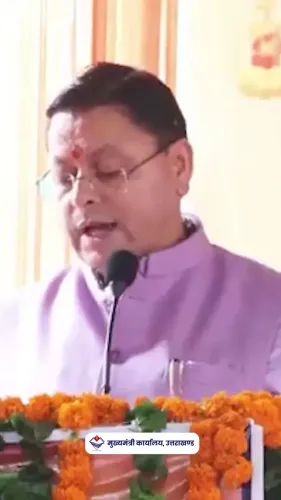
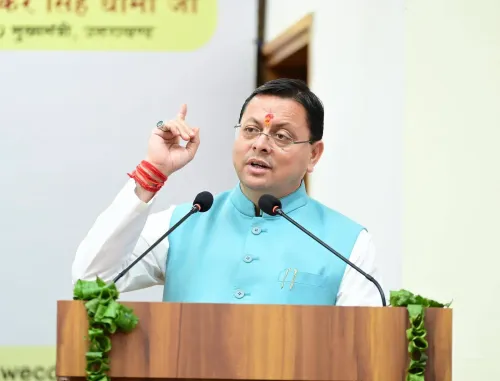
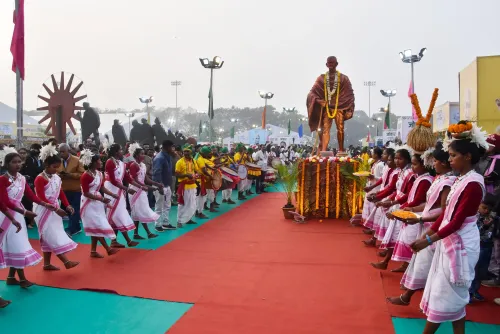
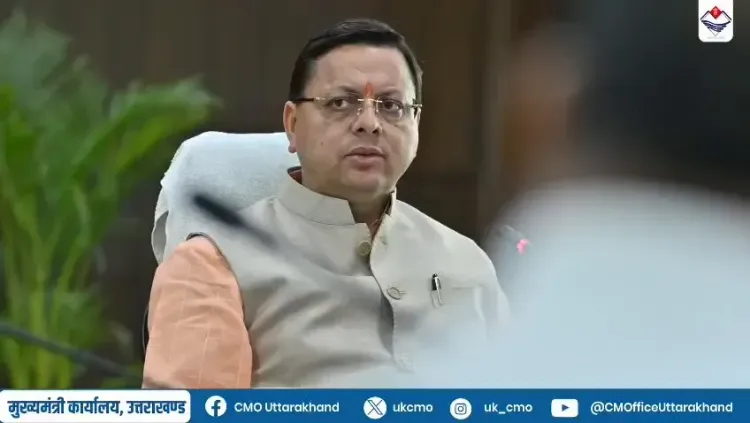
Women from self-help groups in Uttarakhand turned a food festival into a financial milestone — crossing ₹1 crore in sales at the Saras Food Festival 2026 held in Dehradun, in what the Chief Minister's Office of Uttarakhand described as a direct outcome of Chief Minister Pushkar Singh Dhami's push for women entrepreneurship and local product promotion.
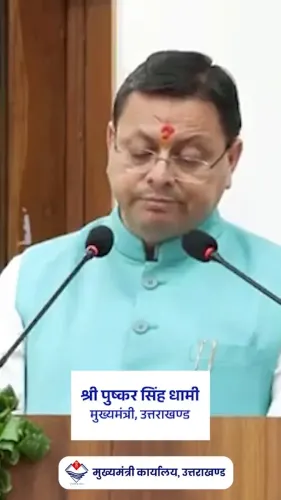
The CMO post, published on Wednesday, October 14, 2026, announced: 'Dehradun mein Saras Food Festival 2026 mein Swayam Sahayata Samoohon ki mahilaon ne ki 1 crore rupaye se adhik ki bikri' — 'Women of self-help groups at the Saras Food Festival 2026 in Dehradun have made sales of more than ₹1 crore, with women entrepreneurship and local products getting a boost under the leadership of Chief Minister Shri Pushkar Singh Dhami.'
What the Saras platform actually does for SHG women
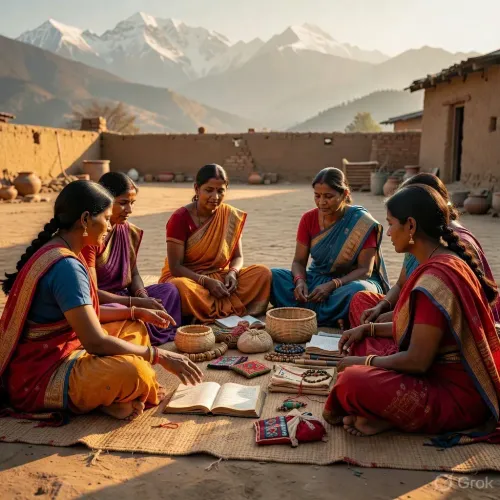
The Saras Mela is a national-level fair series run under the Ministry of Rural Development as part of the Deendayal Antyodaya Yojana – National Rural Livelihoods Mission (DAY-NRLM). Its core purpose is blunt and practical: bridge the gap between rural women producers and urban buyers who would otherwise never find each other. For women who spend months making pickles, woven textiles, herbal products, and traditional foods in Uttarakhand's hill villages, a Saras event in a state capital like Dehradun is often their only direct shot at retail-scale revenue.
Uttarakhand has participated in the national Saras Mela circuit since at least 2017, steadily building a pipeline of SHG products into urban markets. The Dhami administration, in office since March 2021 and re-elected in 2022, has framed SHG empowerment as a centrepiece of its state-development agenda, launching Mission Shakti-aligned drives to scale local branding and women-led enterprise.
Why ₹1 crore at a single festival matters in this context
A ₹1 crore-plus sales figure at a single event is a concrete, countable indicator of market demand — not a grant, not a subsidy, but actual consumer spending on goods made by rural women. For SHG members whose monthly household incomes in hill districts can be modest, aggregated festival earnings translate directly into working capital for the next production cycle, repayment of micro-credit, and confidence to scale.
State governments across India have increasingly leaned on Saras-style melas as low-cost policy instruments: they generate media-friendly milestones, require minimal state infrastructure, and create genuine market linkages. Uttarakhand, with its geographic challenges and persistent out-migration from hill districts, has a particular incentive to valorise local products — a thriving SHG economy is also a retention argument for communities on the edge of abandoning their villages.
CM Dhami's women-economy bet and what it signals next
The Dhami government's repeated highlighting of SHG success stories — including at forums like Saras — is part of a deliberate political and policy positioning: Uttarakhand as a state where women's economic participation is measurable and growing. The next test will be whether these festival-linked sales translate into permanent market channels, or whether the momentum resets between events.
Budget allocations for SHG marketing infrastructure, warehousing, and branding support in the next Uttarakhand assembly session will signal how seriously the government intends to institutionalise what the Dehradun Saras Food Festival just demonstrated is possible in a single week.
A ₹1 crore moment at one festival is a data point. The harder question — whether Uttarakhand can make that kind of earning routine and year-round for its SHG women — is the one policymakers now have to answer.
Point of View
Optics-friendly markers of women's economic empowerment. For the Dhami administration, SHG success stories serve a dual purpose: they reinforce a pro-women governance narrative ahead of future electoral cycles, while addressing Uttarakhand's structural challenge of hill-district out-migration by making local livelihoods more viable. The real policy test, however, lies beyond the festival: whether the government backs these one-off sales peaks with permanent market infrastructure — branding support, e-commerce integration, warehouse access — will determine if the momentum becomes a structural shift. Until then, the ₹1 crore figure is a promising data point, not yet a systemic change.
NationPress
14 Oct 2026
Frequently Asked Questions
What is the Saras Food Festival in Dehradun 2026?
The Saras Food Festival 2026 is a state-level event in Dehradun, Uttarakhand, held under the national Saras Mela series run by the Ministry of Rural Development to give women self-help groups a direct platform to sell locally made food and craft products to urban consumers.
How much did SHG women sell at Saras Mela Dehradun 2026?
According to the Chief Minister's Office of Uttarakhand, women from self-help groups made sales of more than ₹1 crore at the Saras Food Festival 2026 in Dehradun.
What is DAY-NRLM and how does it relate to Saras Mela?
DAY-NRLM (Deendayal Antyodaya Yojana – National Rural Livelihoods Mission) is a central government scheme that promotes self-help groups for rural income generation. The Saras Mela is one of DAY-NRLM's flagship market-linkage platforms, where SHG-made products are sold directly to consumers at organised fairs.
What has CM Pushkar Singh Dhami done for women self-help groups in Uttarakhand?
Since taking office in March 2021, CM Pushkar Singh Dhami has focused on scaling women entrepreneurship through Mission Shakti-aligned initiatives and by actively participating in platforms like Saras Mela to connect SHG products with larger markets.
Why are Saras Melas important for Uttarakhand?
Uttarakhand's hill districts face persistent out-migration; Saras Melas create direct market opportunities for locally made goods, helping SHG women generate income at home and reducing the economic pressure that drives communities to leave their villages.