CM Fadnavis Approves Pune ESIC Hospital's Medical College Conversion

Synopsis
Maharashtra CM Devendra Fadnavis announced on 14 October 2026 that the ESIC hospital in Pune has been approved for conversion into a medical college, with 50 MBBS seats sanctioned — part of a national push to expand affordable medical education using existing public hospital infrastructure.
Key Takeaways
Maharashtra CM Devendra Fadnavis announced approval to convert the ESIC hospital in Pune into a medical college.
50 MBBS seats have been sanctioned alongside the conversion approval.
The Employees' State Insurance Corporation (ESIC) , under the Union Ministry of Labour and Employment, has been converting select hospitals into medical colleges since 2012 .
States including Delhi, Karnataka, and Tamil Nadu have already implemented similar conversions under this national model.
The National Medical Commission (NMC) must still conduct an inspection and issue final seat sanction before student admissions can begin.
The move benefits both NEET-qualified medical aspirants seeking affordable government seats and ESI-insured workers in Pune who will gain access to an upgraded teaching hospital.
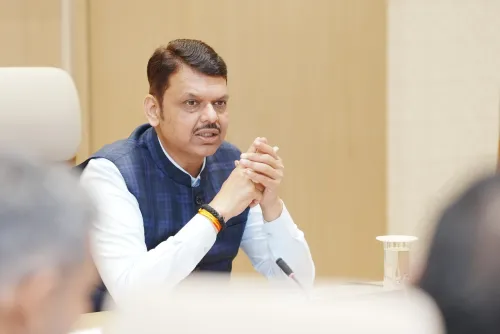
A public hospital in Pune is about to double as a medical school — and for thousands of healthcare workers' families across Maharashtra, that matters more than it sounds. Maharashtra Chief Minister Devendra Fadnavis announced on Wednesday, 14 October 2026 that the Employees' State Insurance Corporation (ESIC) hospital in Pune has received formal approval for conversion into a medical college, with 50 MBBS seats sanctioned alongside.
Posting in Marathi and Hindi, Fadnavis wrote: 'पुण्यातील ईएसआयसी रुग्णालयाचे मेडिकल कॉलेजमध्ये रूपांतर करण्यास मान्यता, MBBSच्या 50 जागांना मंजुरी!' — 'Approval for conversion of Pune's ESIC hospital into a medical college; 50 MBBS seats sanctioned!'Why an ESIC Hospital Makes a Ready-Made Campus
The logic behind hospital-to-college conversions is ruthlessly practical. Building a new medical college from scratch demands land, a functioning teaching hospital, laboratories, and years of regulatory clearance. An ESIC hospital already has wards, operating theatres, a steady patient census, and specialist staff — the raw material a medical college needs most. The Employees' State Insurance Corporation, a statutory body under the Union Ministry of Labour and Employment, has been running hospitals for insured industrial workers and their dependants since independence.
The conversion push is not new. ESIC began upgrading select hospitals into medical colleges from 2012 onwards, and states including Delhi, Karnataka, and Tamil Nadu have already put that model to work. Maharashtra's approval for the Pune facility slots the state into this national grid of low-cost seat expansion — without laying a single new foundation stone.
What 50 New MBBS Seats Mean for Pune
Pune already hosts several established medical institutions, but competition for MBBS seats remains ferocious. Fifty additional government-route seats represent meaningful relief for aspirants who clear the National Eligibility cum Entrance Test but cannot afford private-college fees that routinely run into tens of lakhs. For the city's large base of ESI-insured industrial workers, the converted college also promises a stepped-up standard of specialist care on their doorstep.
The announcement, however, is the beginning of a process, not the end. The National Medical Commission (NMC) must conduct its own physical inspection and issue final seat sanction before a single student can be enrolled. Faculty recruitment, infrastructure upgrades, and a dedicated state budget allocation will all need to follow.
Fadnavis's Health-Seat Push in Context
For Chief Minister Fadnavis, the timing carries political weight. Maharashtra has faced persistent criticism over the gap between its industrial wealth and the availability of affordable public healthcare and medical education. Converting an existing ESIC asset — which falls under central jurisdiction — into a state-serving medical college requires coordination between Mantralaya in Mumbai and the Union Labour Ministry in Delhi. Getting that approval through signals both administrative dexterity and a usable deliverable for a government heading into a busy policy calendar.
The kicker: fifty seats today, but the real test is whether the NMC inspection clears the facility, faculty are hired on time, and the first batch walks in — because in medical education, an announcement is only as good as the admissions that follow it.
Point of View
Securing central-state approval for a Pune facility is a measurable governance win that merges health, education, and labour policy in one announcement. The harder political and administrative test lies ahead: NMC inspections have stalled similar conversions elsewhere, and the quality of the eventual college will depend entirely on whether faculty recruitment and infrastructure upgrades are funded promptly. Fifty seats is a modest number, but it sets a precedent that Maharashtra could replicate at other ESIC facilities across Mumbai, Nagpur, and beyond.
NationPress
15 Oct 2026
Frequently Asked Questions
What is the ESIC hospital in Pune being converted into?
The ESIC hospital in Pune has received approval to be converted into a medical college with 50 MBBS seats, as announced by Maharashtra CM Devendra Fadnavis on 14 October 2026.
Who approved the Pune ESIC hospital medical college conversion?
Maharashtra Chief Minister Devendra Fadnavis announced the approval. Since ESIC falls under the Union Ministry of Labour and Employment, the conversion required coordination between the state government and the central government.
How many MBBS seats will the Pune ESIC medical college have?
The announcement sanctions 50 MBBS seats. Final enrolment will begin only after the National Medical Commission conducts its inspection and issues formal seat sanction.
Why is India converting ESIC hospitals into medical colleges?
ESIC hospitals already have functioning wards, specialist staff, and patient infrastructure, making them cost-effective bases for medical colleges. India has been pursuing this model since 2012 to expand affordable MBBS seats without building new institutions from scratch.
What happens next after this announcement for the Pune ESIC medical college?
The National Medical Commission must inspect the facility and grant final seat sanction. The state will also need to allocate budget for faculty recruitment and any infrastructure upgrades required to meet NMC standards.