Badrinath Yatra Boosts Trade in Uttarakhand Border Villages
Synopsis
The Chief Minister's Office of Uttarakhand says the Badrinath Dham pilgrimage has driven a business uptick for traders in the state's isolated border villages, underlining the state's strategy of using religious tourism as an economic engine for its Himalayan frontier communities.
Key Takeaways
The Chief Minister's Office of Uttarakhand confirmed on November 14, 2026 that Badrinath Dham pilgrimage traffic has boosted trade for border-village businesses.
Badrinath is one of four sites on the Chardham Yatra circuit, drawing lakhs of pilgrims annually to Chamoli district .
Border villages near the India-China and India-Nepal frontiers depend heavily on seasonal pilgrim footfall for local commerce.
The Char Dham Mahamarg Vikas Pariyojana , launched in 2016 , improved road connectivity to pilgrimage and border areas, expanding pilgrim access.
Uttarakhand has consistently framed religious tourism as a core economic driver for its remote Himalayan districts.
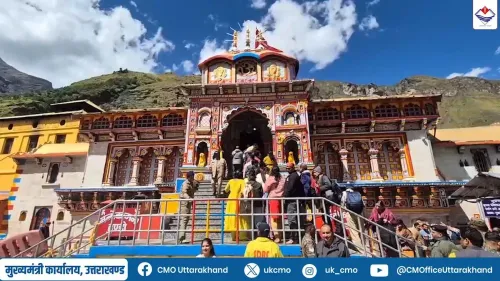
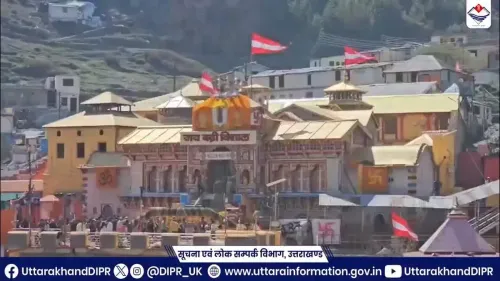
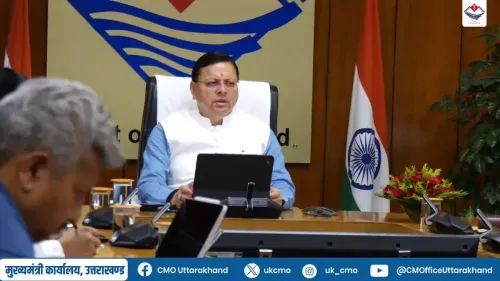
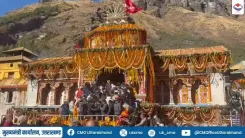
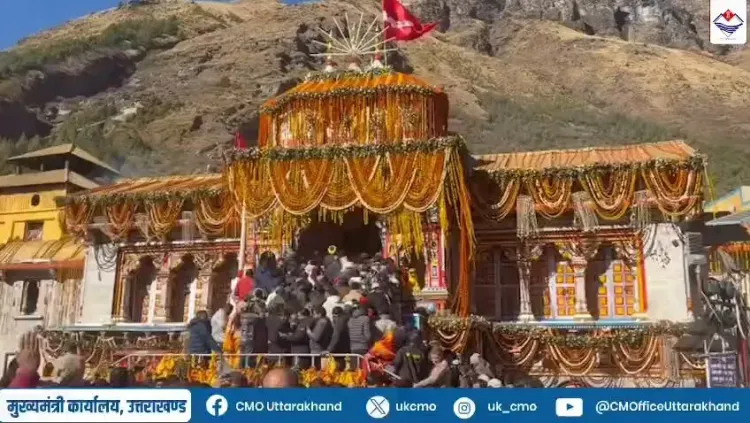
High in the Himalayas, where the road to divinity doubles as the road to livelihood, the Badrinath Dham pilgrimage is doing more than moving souls — it is moving commerce. The Chief Minister's Office of Uttarakhand posted on Saturday, November 14, 2026, highlighting how the Chardham Yatra has delivered a tangible boost to businesses run by traders in the state's remote border villages.
The post, shared in Hindi, reads: 'श्री बदरीनाथ धाम की यात्रा से सीमांत गांव के व्यापारियों का कारोबार में हुई बढ़ोतरी' — 'The journey to Shri Badrinath Dham has led to a rise in business for traders of border villages.' It is a compact line, but the story it carries runs deep into the economic geography of one of India's most strategically sensitive mountain frontiers.
Badrinath's Pull and the Hamlets That Live by It
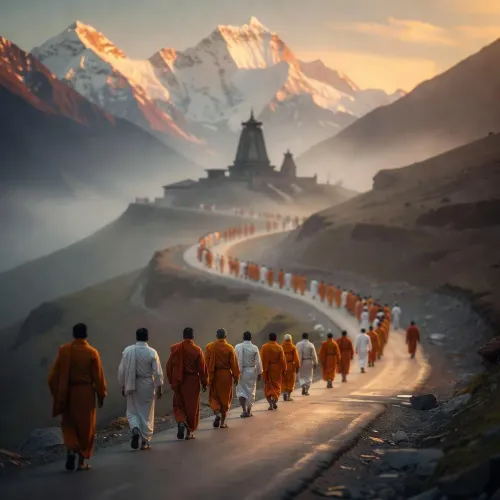
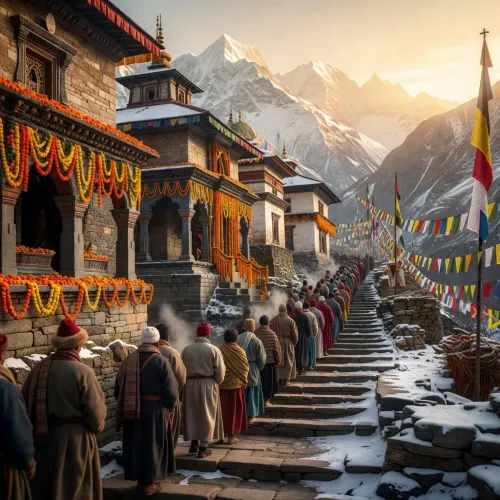
Badrinath Dham, nestled in the Chamoli district of Uttarakhand along the banks of the Alaknanda river, is one of the four sacred stops on the Chardham Yatra circuit — the others being Yamunotri, Gangotri, and Kedarnath. The circuit draws lakhs of Hindu pilgrims each season, and that footfall is the economic lifeline for clusters of border hamlets that sit close to the India-China and India-Nepal frontiers. For small traders in these villages — selling provisions, woollens, local produce, and handicrafts — the yatra season is not just busy; it is everything.
These settlements are otherwise isolated for much of the year, their economies hemmed in by altitude, terrain, and limited connectivity. The pilgrim tide is what turns sparse mountain markets into briefly thriving bazaars.
The Road That Made the Route
The yatra's expanding reach owes a significant debt to infrastructure. The Char Dham Mahamarg Vikas Pariyojana, launched in 2016, set out to upgrade all-weather roads linking the four pilgrimage sites and the border areas around them. Better roads mean more buses, more private vehicles, more pilgrims — and crucially, more spending in the villages along the way. Uttarakhand has deliberately positioned religious tourism as the primary economic engine for its Himalayan districts, treating yatra promotion and connectivity investment as twin levers for frontier-zone livelihoods.
The logic is strategic as well as economic. Prosperous, connected border villages are less likely to be depopulated — a concern the central government has long held about India's high-altitude frontier communities.
What the Trade Uptick Signals
The CMO's spotlight on border-village traders is a deliberate political signal: the yatra is not merely a religious event managed by the government; it is an active livelihood instrument. Successive administrations in Dehradun have framed Chardham tourism as grassroots economic empowerment, particularly for communities far from industrial or urban opportunity.
What to watch now is whether the state follows the narrative with numbers — official pilgrim arrival figures for the next yatra season, or formal announcements on trader-support schemes and market infrastructure for these border hamlets. The story the CMO has told this week sets up exactly that expectation.
Pilgrims come seeking the divine. The villages they pass through are quietly building something more earthly — and this yatra season, it appears, the exchange is working both ways.
Point of View
As a populated and economically active frontier is a soft-power asset in India's mountain-boundary calculus. If the state follows up with hard data on trader incomes or infrastructure investments, it will cement this narrative; if it does not, the post reads as seasonal political colour.
NationPress
15 Nov 2026
Frequently Asked Questions
How does Badrinath Yatra help traders in Uttarakhand border villages?
Pilgrims travelling to Badrinath pass through or stay in remote border hamlets, spending on provisions, local produce, woollens, and handicrafts. This seasonal surge in footfall is the primary source of commercial income for many small traders in otherwise isolated Himalayan communities.
What is the Chardham Yatra and which sites does it cover?
The Chardham Yatra is a seasonal Hindu pilgrimage circuit in Uttarakhand covering four sacred sites: Yamunotri, Gangotri, Kedarnath, and Badrinath. It attracts lakhs of devotees each year and is the state's single largest driver of religious tourism.
What is the Char Dham Mahamarg Vikas Pariyojana?
Launched in 2016, it is a central government road-upgrade project designed to connect Uttarakhand's four Char Dham pilgrimage sites and their surrounding border areas with all-weather highways, improving pilgrim access and local trade.
Which district is Badrinath Dham located in?
Badrinath Dham is located in Chamoli district, Uttarakhand, on the banks of the Alaknanda river, close to the India-China border.
Why does Uttarakhand promote religious tourism in border areas?
Religious tourism brings consistent pilgrim footfall to remote Himalayan districts, generating income for local traders and helping prevent depopulation of strategically sensitive border villages — a dual economic and security rationale successive state governments have pursued.