CM Dhami, PM Modi Drive Badrinath Dham Modernisation
Synopsis
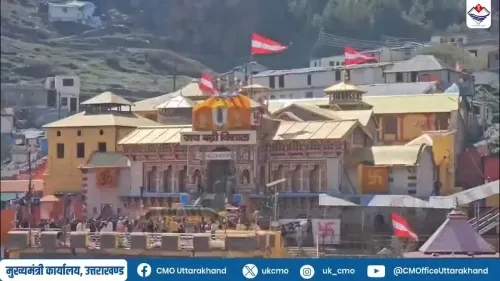
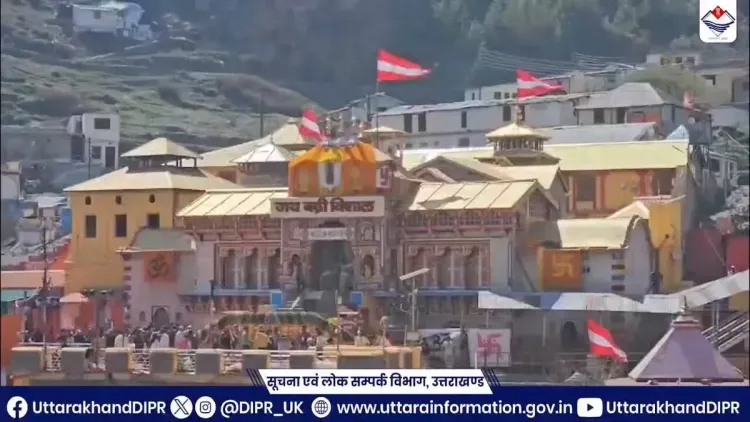
The Chief Minister's Office of Uttarakhand says Badrinath Dham in Chamoli is visibly taking shape as a blend of divinity and modern facilities under the Badrinath Master Plan, backed by PM Modi's vision and CM Dhami's leadership.
Key Takeaways
The Chief Minister's Office of Uttarakhand shared progress on Badrinath Dham redevelopment on 9 June 2026 .
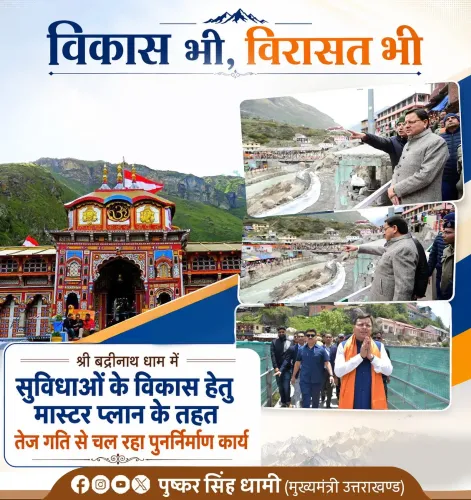
The project is being executed under the Badrinath Master Plan , a joint central-state initiative unveiled in December 2021 .
Badrinath Dham is located in Chamoli district, Uttarakhand , and is one of the four sacred Char Dham sites.
The plan aims to combine modern pilgrim amenities with preservation of the shrine's traditional and religious character.
The initiative is part of a broader national pattern of upgrading pilgrimage infrastructure, including the Kashi Vishwanath Corridor and Char Dham road project .
Pilgrims, Chamoli residents, and Uttarakhand's tourism economy are the primary stakeholders.
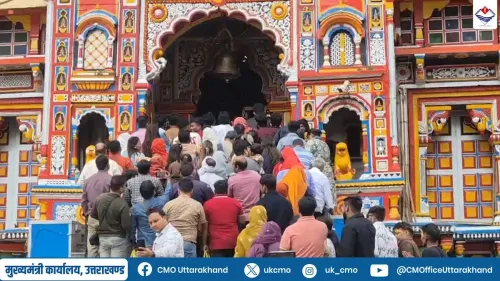
The Chief Minister's Office of Uttarakhand announced on Tuesday, 9 June 2026, that Badrinath Dham in Chamoli district is being transformed into a confluence of divinity and modern amenities under the Badrinath Master Plan, with visible progress now evident at the sacred site.
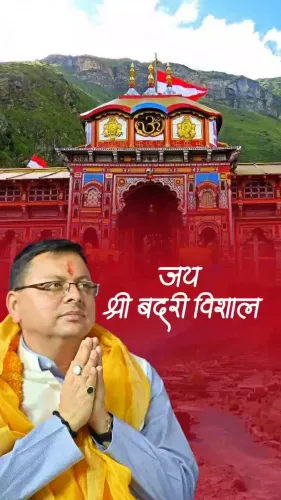
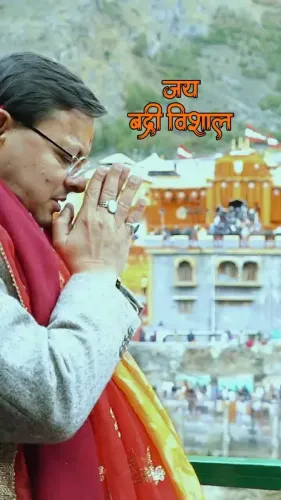
The official post stated that 'भू-बैकुंठ श्री बदरीनाथ धाम अब दिव्यता और आधुनिक सुविधाओं के अद्भुत संगम के रूप में आकार ले रहा है' — ('the divine abode Badrinath Dham is now taking shape as a remarkable confluence of divinity and modern facilities') — crediting the vision of Prime Minister Narendra Modi and the leadership of Chief Minister Pushkar Singh Dhami.
Context
Badrinath Dham, nestled in the Chamoli district of Uttarakhand in the high Himalayas, is one of the four sacred Char Dham pilgrimage sites and draws lakhs of devotees every year. The shrine, revered as 'Bhu-Vaikuntha' (the earthly abode of Lord Vishnu), has long faced challenges of overcrowding, inadequate infrastructure, and limited pilgrim amenities during the annual yatra season.
The redevelopment effort seeks to address these challenges while preserving the temple's centuries-old religious and architectural character — a balance that has guided planning discussions since the project's inception.
Policy Backdrop
The Uttarakhand government unveiled the Badrinath Master Plan in December 2021 with central government support, aiming to decongest the shrine precinct, widen pathways, and add modern pilgrim facilities without disturbing the sanctity of the site. The plan is a joint central-state initiative and forms part of a broader national policy of upgrading Himalayan pilgrimage infrastructure.
This initiative mirrors the approach adopted at the Kashi Vishwanath Corridor in Varanasi, which combined heritage preservation with large-scale urban redevelopment, and complements the ongoing Char Dham road connectivity project that aims to provide all-weather access to Badrinath, Kedarnath, Gangotri, and Yamunotri.
Stakeholders and Impact
Pilgrims visiting Badrinath — numbering in the lakhs each season — stand to benefit most directly from improved pathways, sanitation, waiting areas, and connectivity that the Master Plan envisions. Residents of Chamoli district, including local traders, hoteliers, and service providers, are also key stakeholders whose livelihoods are closely tied to pilgrim footfall.
The project carries significance for Uttarakhand's tourism economy as a whole, with the state government positioning the Char Dham circuit as a flagship spiritual-tourism destination. Improved infrastructure is expected to enhance both the volume and the quality of the pilgrim experience, reducing bottlenecks that have historically caused distress during peak season.
What's Next
Attention will now turn to the phased rollout of remaining works under the Badrinath Master Plan, including the completion of facilities visible in the progress shared by the Chief Minister's Office. Pilgrim footfall data after new amenities become fully operational will be a key indicator of the project's impact.
Any updates in parliamentary sessions or state budget allocations regarding the remaining Char Dham infrastructure works will also be closely watched by planners, tourism stakeholders, and devotees across the country.
Point of View
' the messaging reinforces a coordinated BJP governance narrative ahead of what remains a high-stakes pilgrimage season. The Badrinath Master Plan fits squarely into a wider template — first tested at Kashi — of using temple corridor redevelopment as a durable symbol of cultural governance. Progress updates of this kind also serve to reassure pilgrims and the tourism sector that disruptions from ongoing construction are time-bound and purposeful.
NationPress
24 Oct 2026
Frequently Asked Questions
What is the Badrinath Master Plan?
The Badrinath Master Plan is a joint central and Uttarakhand state government initiative, unveiled in December 2021 , to redevelop the Badrinath Dham complex in Chamoli district with wider pathways, modern pilgrim amenities, and improved sanitation while preserving the shrine's traditional religious character.
Where is Badrinath Dham located?
Badrinath Dham is located in Chamoli district in the state of Uttarakhand , in the high Himalayas. It is one of the four sacred Char Dham pilgrimage sites and is revered as Bhu-Vaikuntha , the earthly abode of Lord Vishnu.
Who is overseeing the Badrinath redevelopment project?
The redevelopment is being carried out under the vision of Prime Minister Narendra Modi and the direct leadership of Uttarakhand Chief Minister Pushkar Singh Dhami , as stated by the official Chief Minister's Office.
How does the Badrinath Master Plan compare to the Kashi Vishwanath Corridor?
Both projects follow a similar model of combining large-scale modern infrastructure with the preservation of a major Hindu shrine's religious and architectural heritage. The Kashi Vishwanath Corridor in Varanasi was completed earlier and serves as a template for the ongoing Badrinath Master Plan .
What benefits will pilgrims get from the Badrinath Dham redevelopment?
Pilgrims visiting Badrinath Dham are expected to benefit from wider pathways, modern waiting and sanitation facilities, reduced congestion, and an overall improved experience once the Badrinath Master Plan works are completed.