CM Dhami, PM Modi drive Badrinath Dham redevelopment
Synopsis
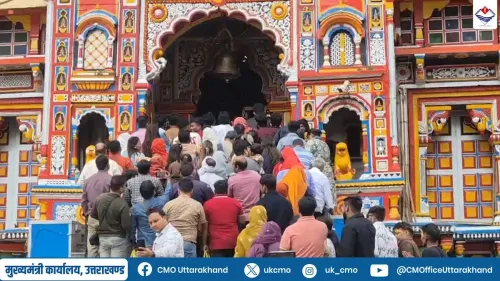
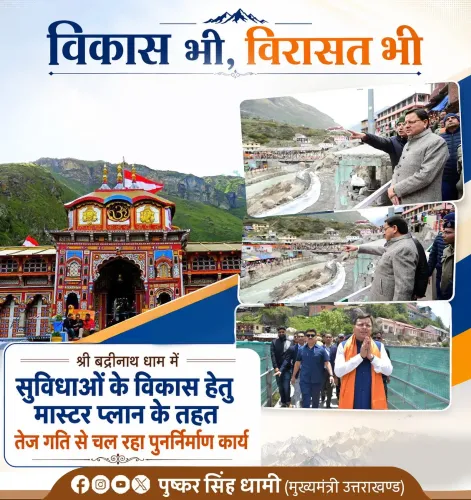
The Uttarakhand CMO on 9 June 2026 highlighted the visible transformation of Badrinath Dham in Chamoli, crediting PM Modi's vision and CM Dhami's leadership for blending divinity with modern amenities under the Badrinath Dham Master Plan.
Key Takeaways
The Uttarakhand CMO posted on 9 June 2026 showcasing progress at Badrinath Dham in Chamoli .
Redevelopment is framed as a blend of spiritual heritage and modern visitor infrastructure.
The Badrinath Dham Master Plan , approved in 2021-22 , guides phased upgrades over a decade.
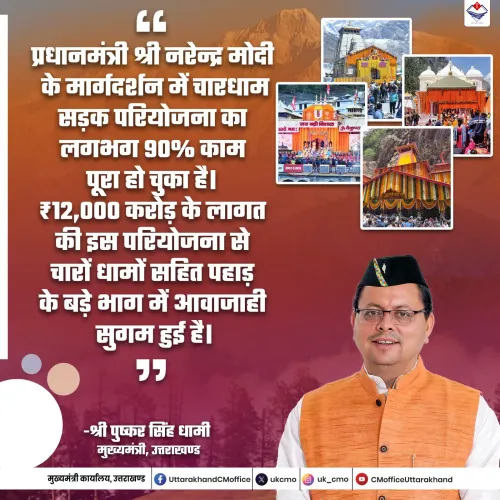
The project is part of the broader Char Dham Pariyojana launched in 2016 for all-weather road connectivity.
Implementation involves the Badrinath-Kedarnath Temple Committee , state PWD, and central ministries.
Updated budget outlays and timelines are expected in the next Uttarakhand budget session .
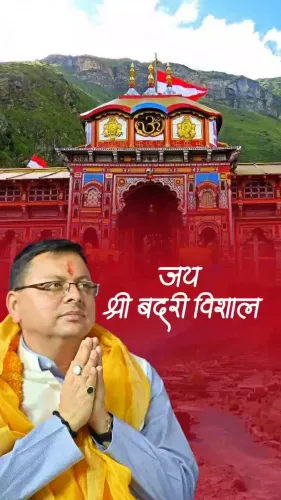
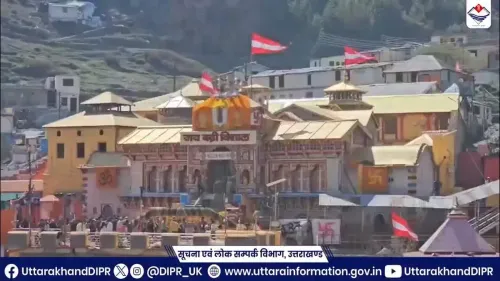
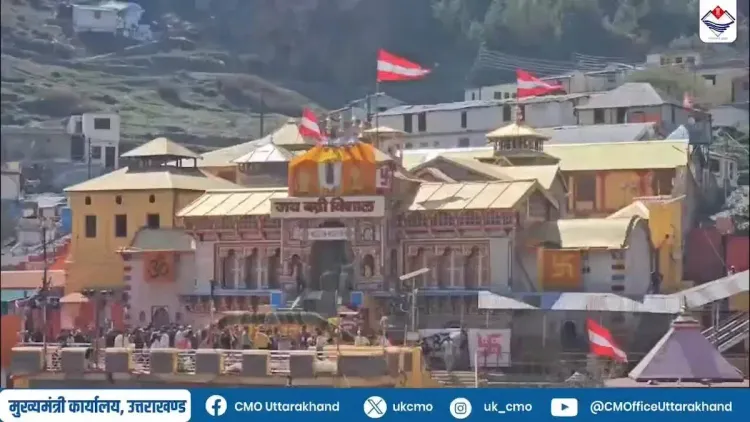
The Chief Minister's Office of Uttarakhand on Tuesday, 9 June 2026, highlighted the ongoing transformation of Badrinath Dham in Chamoli district, describing the ancient Vishnu shrine as taking shape as a remarkable confluence of divinity and modern amenities under the joint vision of Prime Minister Narendra Modi and Chief Minister Pushkar Singh Dhami.
Context
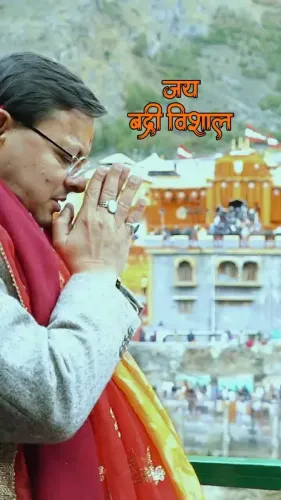
The post, shared from the official CMO account, states that 'Bhu-Vaikuntha Shri Badrinath Dham' (the earthly abode of Vishnu, Badrinath Dham) 'is now visibly taking a new and grand form.' The communication frames the redevelopment as a convergence of spiritual heritage and contemporary infrastructure, crediting PM Modi's vision and CM Dhami's on-ground leadership for the visible progress.
Badrinath, one of the four shrines on the Char Dham Yatra circuit, draws lakhs of pilgrims every season to Chamoli in the Garhwal Himalayas. The shrine is among the most visited Hindu pilgrimage destinations in India.
Policy Backdrop
The redevelopment is anchored in the Badrinath Dham Master Plan, approved by the Uttarakhand government in 2021-22, which lays out phased upgrades to the temple precincts, pedestrian plazas, ghats, and visitor facilities over a decade. The plan aims to expand capacity while preserving the shrine's spiritual character and architectural heritage.
The broader framework traces back to the Char Dham Pariyojana, announced in 2016, which targets all-weather road connectivity to Badrinath and the three other Char Dham shrines — Kedarnath, Gangotri, and Yamunotri. Together, the road and master-plan investments represent a coordinated central-state push to upgrade religious tourism infrastructure in Uttarakhand.
The post was tagged #12YearsofGaribKalyan, linking the Badrinath work to the BJP-led central government's broader welfare and development narrative marking over a decade of governance.
Stakeholders and Impact
Pilgrims visiting Badrinath stand to benefit most directly from improved amenities, better pedestrian access, and expanded facilities expected under the Master Plan. Local residents of Chamoli district and traders dependent on pilgrimage tourism are also key stakeholders, with infrastructure upgrades expected to support livelihoods tied to the annual yatra season.
Implementation involves the Badrinath-Kedarnath Temple Committee, the state's Public Works Department, and central ministries overseeing tourism and road connectivity — a multi-agency structure that has characterised similar redevelopment projects at Kedarnath and Kashi Vishwanath.
What's Next
Detailed project timelines and updated budget outlays for the Badrinath works are expected to feature in the next Uttarakhand budget session. The state government's continued communication around visible on-ground progress signals an intent to keep the redevelopment in public focus ahead of the peak pilgrimage season.
As the Master Plan moves through successive phases, the balance between heritage conservation and modern visitor infrastructure will be closely watched by both pilgrims and urban planners studying India's evolving approach to sacred-site redevelopment.
Point of View
Particularly by anchoring it to the BJP's 12-year governance milestone. The project fits a well-established pattern of coordinated central-state investment in prominent Hindu pilgrimage centres, mirroring the high-profile Kashi Vishwanath Corridor and Kedarnath reconstruction. For CM Dhami, visible progress at Badrinath carries both administrative and electoral significance in a state where the Char Dham circuit is central to identity and economy. The broader implication is that religious tourism infrastructure has become a primary vehicle for hill-state development narratives in contemporary Indian politics.
NationPress
24 Oct 2026
Frequently Asked Questions
What is the Badrinath Dham Master Plan?
The Badrinath Dham Master Plan is a state-central initiative approved by the Uttarakhand government in 2021-22 to redevelop the Badrinath temple precinct with expanded pilgrim facilities, improved pedestrian access, and upgraded amenities while preserving its spiritual and architectural heritage.
Where is Badrinath Dham located?
Badrinath Dham is located in Chamoli district of Uttarakhand, in the Garhwal Himalayas, and is one of the four shrines on the Char Dham Yatra circuit dedicated to Lord Vishnu.
What is the Char Dham Pariyojana?
The Char Dham Pariyojana, announced in 2016, is a central government project to provide all-weather road connectivity to the four Char Dham shrines — Badrinath, Kedarnath, Gangotri, and Yamunotri — in Uttarakhand.
Who is overseeing the Badrinath redevelopment?
The redevelopment is being executed under the leadership of Chief Minister Pushkar Singh Dhami at the state level, aligned with Prime Minister Narendra Modi's vision, and involves the Badrinath-Kedarnath Temple Committee, the state PWD, and central ministries.
When will Badrinath Dham redevelopment be completed?
A specific completion date has not been officially announced. The Master Plan envisions phased development over a decade from its 2021-22 approval, with updated timelines expected in forthcoming Uttarakhand budget sessions.