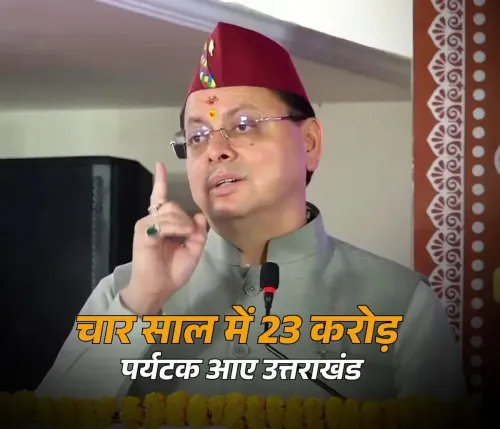
CM Dhami: Uttarakhand shrines get global identity under Modi

Synopsis
The Uttarakhand CMO on 10 June 2026 outlined 12 years of shrine redevelopment under PM Modi, citing the Kedarnath and Badrinath projects, approved ropeways worth over Rs 6,800 crore, the Manaskhand Mandir Mala Mission, and the Char Dham All Weather Road as pillars of the state's push for global spiritual tourism.
Key Takeaways
PM Modi has visited Kedarnath multiple times to personally review the redevelopment project that began after the 2013 floods .
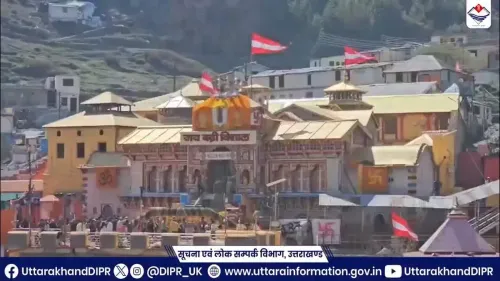
Projects worth approximately Rs 255 crore are under way to develop Badrinath as a smart spiritual mountain city under its master plan.
The central government has approved a 12.9-km ropeway from Sonprayag to Kedarnath at an estimated Rs 4,081 crore and a 12.4-km ropeway from Govindghat to Hemkund Sahib at approximately Rs 2,730 crore .
The Manaskhand Mandir Mala Mission is connecting ancient temples in Kumaon division with tourism infrastructure and modern facilities.
PM Modi 's visit to Adi Kailash in Pithoragarh district drew global attention to border areas and is credited with generating new employment opportunities.
The Char Dham All Weather Road has improved year-round connectivity, increasing pilgrim numbers and supporting the local economy.
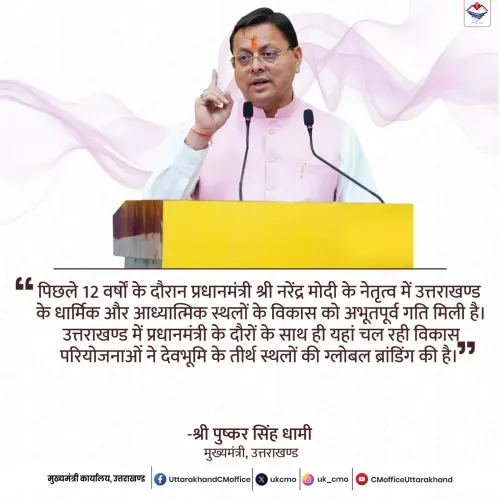
The Chief Minister's Office of Uttarakhand on 10 June 2026 highlighted how religious and spiritual sites across the state have undergone unprecedented development over the past 12 years under Prime Minister Narendra Modi, with Chief Minister Pushkar Singh Dhami crediting central projects for placing Uttarakhand among the world's leading spiritual tourism destinations.
Context
The post, issued in Hindi, quotes CM Dhami as saying: 'Pradhanmantri Shri Narendra Modi ke netritva mein Uttarakhand ki adhyatmik aur sanskritik virasat ko nayi pehchaan mili hai' ('Under the leadership of Prime Minister Narendra Modi, Uttarakhand's spiritual and cultural heritage has received a new identity'). The statement points to a cluster of flagship projects — the Kedarnath-Badrinath Dham Redevelopment Project, the Manaskhand Mandir Mala Mission, ropeway approvals, and the Char Dham All Weather Road — as the pillars of this transformation. The CMO frames these not merely as infrastructure upgrades but as a strategic push to brand Devbhoomi ('land of the gods') on a global stage.
Policy Backdrop
The redevelopment story traces its origins to the catastrophic 2013 Kedarnath floods, which devastated the shrine town and surrounding areas. The post notes that Narendra Modi, then Chief Minister of Gujarat, showed early interest in the reconstruction of Kedarnath Dham — and after becoming Prime Minister in 2014, the central government launched a full-scale redevelopment project, which PM Modi has reviewed in person on multiple visits. The result, according to the CMO, is a modernised Kedarpuri that preserves the shrine's sanctity while offering contemporary amenities to pilgrims.
At Badrinath, a master plan is underway to develop the town as a 'smart spiritual mountain city,' with various projects worth approximately Rs 255 crore in progress. The Char Dham All Weather Road has meanwhile improved year-round connectivity to all four pilgrimage sites, boosting both footfall and the local economy. The central government has also approved ropeway projects for Kedarnath Dham and Hemkund Sahib: a 12.9-kilometre ropeway from Sonprayag to Kedarnath at an estimated cost of approximately Rs 4,081 crore, and a 12.4-kilometre ropeway from Govindghat to Hemkund Sahib at approximately Rs 2,730 crore.
Stakeholders and Impact
The CMO statement specifically highlights the benefit to elderly pilgrims, women, and differently-abled devotees, for whom the proposed ropeways would make the high-altitude journeys significantly safer and more accessible. Beyond pilgrims, border-district communities stand to gain from the global visibility generated by PM Modi's visit to Adi Kailash in Pithoragarh district, which the post describes as a 'historic occasion' that drew national and international attention to frontier areas and opened new avenues for employment and development. The Manaskhand Mandir Mala Mission extends this logic to the Kumaon division, linking ancient temples with tourism infrastructure, improved roads, and modern facilities.
Work is also under way on the development of a Yamuna Tirtha site in the Haripur Kalsi area, which the CMO says will add a new dimension to religious faith, cultural heritage, and tourism activities associated with the Yamuna river. Taken together, these projects represent a multi-corridor approach to spiritual tourism across both the Garhwal and Kumaon regions.
What's Next
The CMO statement closes with a forward commitment: 'Our government is continuously working to develop Uttarakhand as a leading spiritual and cultural tourism centre of the world.' The immediate milestones to watch are the progress of the Kedarnath and Hemkund Sahib ropeway projects — both of which have received central approval — and further phases of the Badrinath master plan. As pilgrim numbers continue to rise, the state's ability to deliver on these infrastructure promises will determine whether Uttarakhand can sustain its positioning as a premier global spiritual destination.
Point of View
The statement blurs the line between governance communication and political messaging, a pattern increasingly common in state-level CMO accounts aligned with the ruling party at the centre. The ropeway approvals and the Badrinath master plan, if executed on schedule, could genuinely transform accessibility for elderly and differently-abled pilgrims, giving the government a concrete deliverable beyond optics. However, the simultaneous invocation of Adi Kailash and border-area development also signals a strategic interest in integrating frontier districts — which carry both security and electoral significance — into the mainstream tourism economy.
NationPress
26 Oct 2026
Frequently Asked Questions
What is the Kedarnath redevelopment project?
The Kedarnath redevelopment project is a central government initiative to rebuild and modernise the shrine town of Kedarpuri after it was devastated by the 2013 floods . It has involved new infrastructure, improved facilities for pilgrims, and multiple review visits by PM Modi himself.
How much will the Kedarnath ropeway cost and how long will it be?
The approved ropeway from Sonprayag to Kedarnath Dham is 12.9 kilometres long and is estimated to cost approximately Rs 4,081 crore . It is intended to make the high-altitude pilgrimage safer and more accessible, especially for elderly, women, and differently-abled devotees.
What is the Manaskhand Mandir Mala Mission?
The Manaskhand Mandir Mala Mission is a project to restore and develop ancient temples in the Kumaon division of Uttarakhand, connecting them with tourism infrastructure, improved roads, and modern facilities to promote religious and cultural tourism in the region.
What is the Badrinath master plan?
Badrinath Dham is being developed as a 'smart spiritual mountain city' under a master plan, with various projects worth approximately Rs 255 crore currently under way. The aim is to provide better amenities to pilgrims while preserving the site's cultural and spiritual heritage.
What is Adi Kailash and why is it significant?
Adi Kailash is a remote pilgrimage site in Pithoragarh district near the India-Tibet border in Uttarakhand. PM Modi 's visit to the site drew national and international attention, boosting religious tourism and creating new development and employment prospects in border areas.