CM Dhami Credits Modi for Uttarakhand's Road, Rail and Ropeway Revolution

Synopsis
Uttarakhand CM Pushkar Singh Dhami credited PM Modi's leadership for an 'unprecedented revolution' in the state's road, rail and ropeway infrastructure, saying remote mountain districts now enjoy safer, faster connectivity and new economic opportunities.
Key Takeaways
CM Pushkar Singh Dhami on 29 July 2026 credited PM Narendra Modi for transforming Uttarakhand's transport infrastructure.
The Char Dham Pariyojana , launched in 2016 , upgraded pilgrimage routes to Yamunotri, Gangotri, Kedarnath and Badrinath to all-weather standards.
The Rishikesh–Karnaprayag rail line aims to give the Garhwal region its first modern rail link, reducing travel times significantly.
A national ropeway policy framework expanded in 2021–22 is supporting vertical access infrastructure in hill states including Uttarakhand.
Dhami tagged Union Ministers Nitin Gadkari, Amit Shah and Rajnath Singh , signalling a coordinated BJP infrastructure messaging push.
The connectivity drive is expected to boost tourism, trade, investment and local employment in remote Himalayan districts.
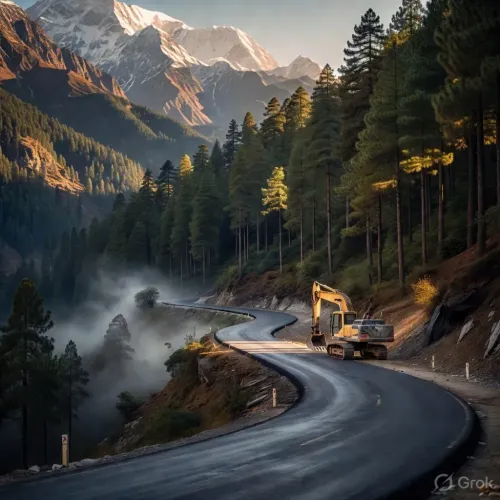
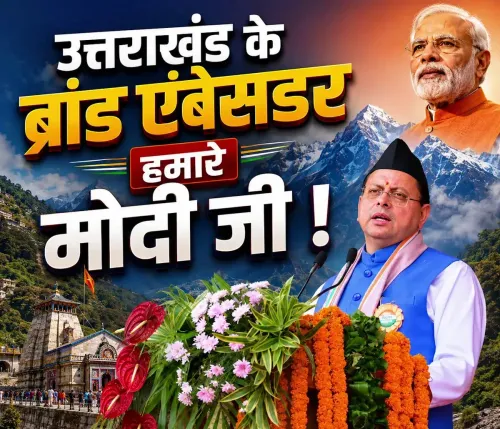
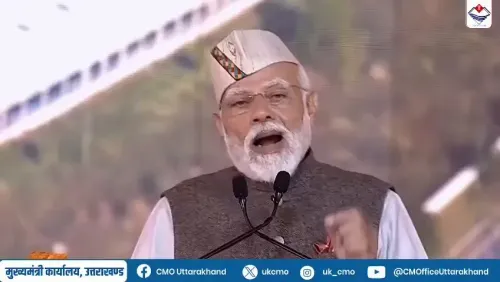
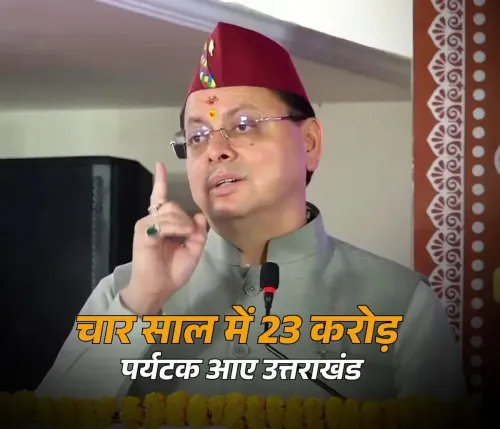
A Himalayan state once defined by its isolation is being redrawn by steel, asphalt and cable. Uttarakhand Chief Minister Pushkar Singh Dhami on Wednesday, 29 July 2026 credited Prime Minister Narendra Modi's leadership for what he called an 'unprecedented revolution' in road, rail and ropeway infrastructure across the state's remote mountain districts.
Writing in Hindi, CM Dhami declared that under PM Modi's guidance, connectivity in Uttarakhand's far-flung Himalayan regions has been fundamentally transformed — travel is now safer, faster and more accessible than before, and new avenues for tourism, trade, investment and local employment have opened up as a result.
The Char Dham Corridor and the Rishikesh–Karnaprayag Rail Push
The infrastructure push Dhami references has two landmark anchors. The Char Dham Pariyojana, launched in 2016, set out to widen and all-weather-proof the pilgrimage routes linking Yamunotri, Gangotri, Kedarnath and Badrinath — four shrines that draw millions of devotees every year through terrain that had long made the journey treacherous. The project brought national highway-grade engineering into corridors where landslides and narrow roads once turned pilgrimages into gambles.
Running parallel is the Rishikesh–Karnaprayag rail line, a strategic project designed to give the Garhwal region its first modern rail connection — cutting travel times and opening the interior to freight and passengers alike. Together, these projects represent the most ambitious attempt in decades to stitch Uttarakhand's mountain communities into the national mainstream.
Ropeways: The Third Pillar of Mountain Mobility
Beyond roads and rail, the national ropeway policy framework expanded in 2021–22 placed hill states like Uttarakhand at the centre of a new tourism infrastructure push. Ropeways offer what roads and trains cannot in steep terrain — direct vertical access to villages, temples and peaks that would otherwise require hours of trekking. For local traders and residents, that access translates directly into economic opportunity.
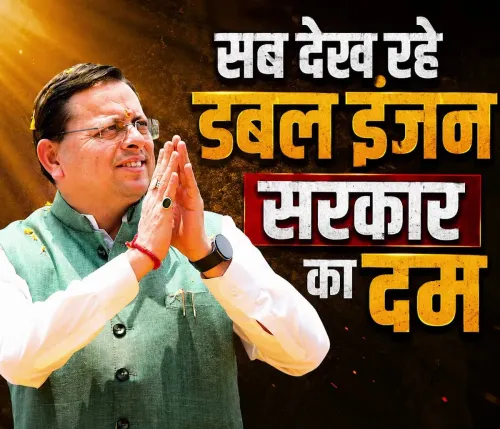
CM Dhami's post, which tagged Union Ministers Nitin Gadkari, Amit Shah and Rajnath Singh alongside BJP's national and state handles, signals a coordinated effort to amplify the infrastructure narrative ahead of what remains a politically competitive state. The BJP governs both at the Centre and in Dehradun, and the connectivity story serves as a tangible proof-point of that dual mandate.
What the Mountain Connectivity Drive Means for Uttarakhand's Economy
The broader pattern here is deliberate: multi-modal connectivity — road, rail, ropeway — is the central government's chosen instrument for unlocking economic potential in Himalayan states where terrain has historically suppressed growth. Himachal Pradesh and India's northeastern states are seeing comparable investments under the same policy logic. For Uttarakhand specifically, faster and safer access to remote districts means pilgrimage tourism can scale, supply chains for local produce can deepen, and skilled workers no longer face impossible commutes.
The remaining phases of the Char Dham roads and the completion timeline of the Rishikesh–Karnaprayag rail link will be the real test of whether the revolution Dhami describes is fully delivered — or still in progress.
Point of View
The message is calibrated to project unified governance rather than state-only credit-claiming. The emphasis on roads, rail and ropeways together — rather than any single project — reflects a deliberate shift toward multi-modal connectivity as the BJP's signature Himalayan policy identity. Whether the remaining phases of Char Dham roads and the Rishikesh–Karnaprayag rail line meet their targets will determine how durable this narrative proves on the ground.
NationPress
13 Sept 2026
Frequently Asked Questions
What infrastructure projects has PM Modi launched in Uttarakhand?
Key projects include the Char Dham Pariyojana (launched 2016) for all-weather pilgrimage road connectivity, the Rishikesh–Karnaprayag rail line for Garhwal region access, and an expanded national ropeway policy from 2021–22 supporting hill-state tourism infrastructure.
What is the Char Dham Pariyojana and how does it help Uttarakhand?
The Char Dham Pariyojana is a road widening and connectivity project launched in 2016 to upgrade routes linking the four major pilgrimage sites — Yamunotri, Gangotri, Kedarnath and Badrinath — making them safer and accessible in all weather conditions.
What is the Rishikesh–Karnaprayag rail line?
The Rishikesh–Karnaprayag rail line is a strategic railway project approved to connect the Garhwal region of Uttarakhand with faster rail access, significantly reducing travel times and opening remote areas to freight and passenger movement.
Why is CM Dhami talking about ropeways in Uttarakhand?
The national ropeway policy framework , expanded in 2021–22 , prioritises hill states like Uttarakhand for ropeway infrastructure — offering direct vertical access to villages and temples in steep terrain where roads cannot easily reach, boosting local tourism and trade.
How has connectivity improved in Uttarakhand's remote mountain areas?
According to CM Dhami's statement on 29 July 2026 , road, rail and ropeway investments under PM Modi's leadership have made travel in remote Himalayan districts safer, faster and more accessible, while also creating new opportunities in tourism, trade, investment and local employment.