Giriraj Singh flags Srinagar Saras Mela for rural women SHGs
Synopsis
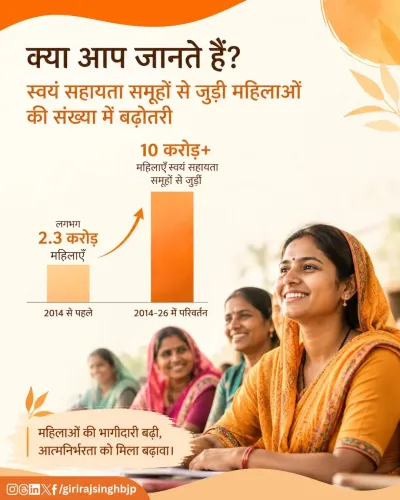
Union Textiles Minister Giriraj Singh spotlighted the Saras Aajeevika Mela in Srinagar — a DAY-NRLM market-linkage fair designed to expand enterprise, raise incomes, and deepen self-reliance for rural women self-help groups in Jammu and Kashmir.
Key Takeaways
Union Textiles Minister Giriraj Singh announced the upcoming Saras Aajeevika Mela in Srinagar on 23 October 2026 .
The fair operates under DAY-NRLM , the Ministry of Rural Development's flagship rural livelihoods mission first launched in June 2011 and rebranded in 2015 .
It is designed to give women Self Help Groups (SHGs) direct access to markets, reducing dependence on middlemen.
Hosting the mela in Srinagar signals a push to integrate Jammu and Kashmir's rural women's economy into the national DAY-NRLM framework.
The stated goals are enterprise expansion, income growth and greater self-reliance for rural women producers.
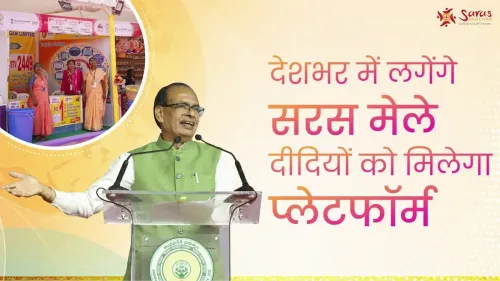
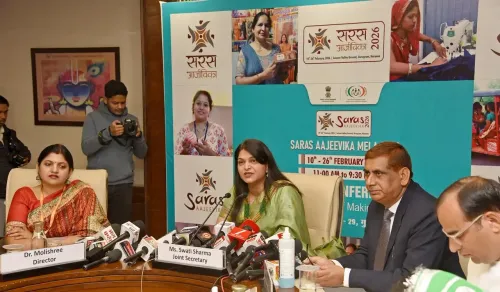
A government fair in Srinagar is about to hand rural women something that no subsidy alone can deliver: a market. Union Textiles Minister Giriraj Singh on Friday, 23 October 2026 spotlighted the upcoming Saras Aajeevika Mela in Srinagar, calling it a powerful platform to win new buyers and wider recognition for products crafted by women self-help groups under the Deendayal Antyodaya Yojana – National Rural Livelihoods Mission (DAY-NRLM).
In his post, Singh wrote — 'Srinagar mein aayojit hone wala yeh mela mahila swayam sahayata samoohon ko apne udyamon ka vistar karne, aay badhaane aur aatmanirbharta ki disha mein aage badhne ke naye avsar pradaan karega' — ('This fair to be held in Srinagar will provide women self-help groups new opportunities to expand their enterprises, increase income and advance towards self-reliance.').
What the Saras Aajeevika Mela actually does
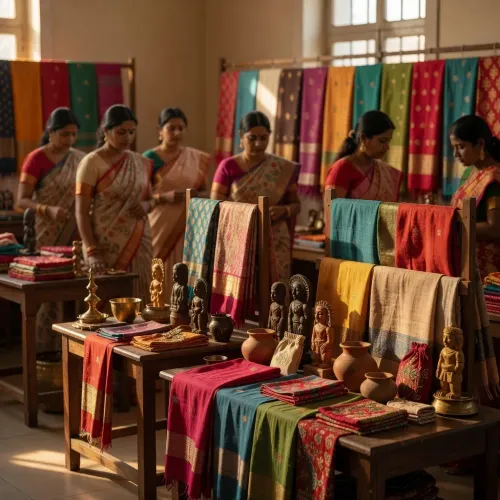
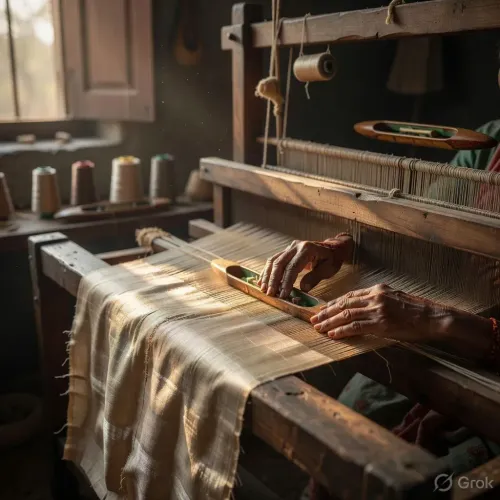
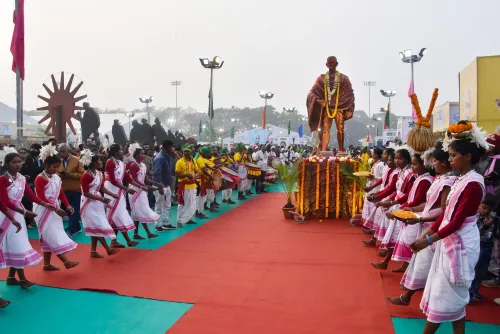
The Saras Aajeevika Mela is not a one-off craft bazaar. It is a periodic, government-backed market-linkage event specifically designed to bridge the gap between rural women producers and urban consumers, bulk buyers, and government procurement channels. Products range from handloom textiles and handicrafts to food processing and agri-based goods — precisely the categories where SHG women have skill but limited sales reach.
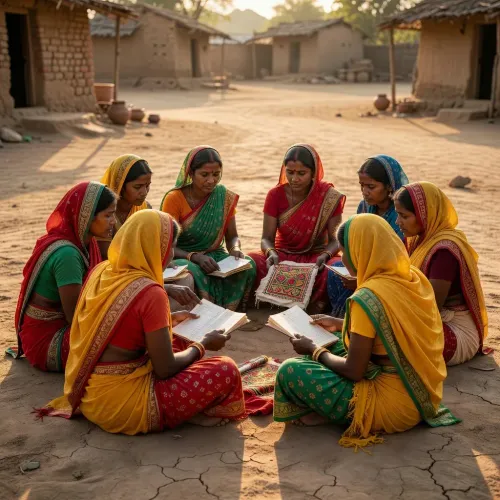
The underlying mission, DAY-NRLM, was originally launched in June 2011 as the National Rural Livelihoods Mission by the Ministry of Rural Development, then rebranded as Deendayal Antyodaya Yojana–NRLM in 2015. Its core architecture organises poor rural women into Self Help Groups (SHGs) — collectives built on shared savings, internal credit, and micro-enterprise — and then layers on market-access support so those enterprises can actually grow.
Why Srinagar as the venue matters
Srinagar, the summer capital of Jammu and Kashmir, is a deliberate choice that carries symbolic and strategic weight. Hosting a national-level rural livelihood fair in J&K signals the Centre's intent to integrate the Union Territory's women-led rural economy into the mainstream DAY-NRLM ecosystem — an area where SHG formation and market linkage have historically lagged behind states with longer NRLM track records.
For the artisans and weavers of the Kashmir Valley — makers of pashmina, sozni embroidery, and willow crafts — a Saras platform offers direct exposure to buyers who would otherwise be accessible only through middlemen, often at deeply compressed margins.
The self-reliance arithmetic
Successive central governments have used DAY-NRLM's Saras melas as a rolling demonstration that aatmanirbharta (self-reliance) is not simply a slogan but a supply-chain problem. When SHG women sell directly — even over a few mela days — the difference in take-home income can be significant enough to fund a production cycle without a fresh loan. That is the compounding logic Singh's post is pointing at: expanded enterprise, higher income, and reduced credit dependence feeding one another.
Watch for participation figures, aggregate sales volumes, and whether the Srinagar edition triggers state-level announcements to replicate the model at the district level across J&K.
Point of View
Which is notable since DAY-NRLM sits outside his Textiles portfolio. The choice of Srinagar as venue fits a broader Centre pattern of routing flagship welfare infrastructure through Jammu and Kashmir to demonstrate post-Article 370 normalisation and economic integration. For the BJP, Saras melas serve a dual function: they are genuine livelihood interventions and simultaneously high-visibility proof-points of the 'Atmanirbhar Bharat' narrative at the grassroots. The metric that will test real impact is not footfall but repeat procurement orders placed after the fair closes.
NationPress
23 Oct 2026
Frequently Asked Questions
What is the Saras Aajeevika Mela?
The Saras Aajeevika Mela is a periodic government fair organised under DAY-NRLM to give women self-help groups direct market access for their products, connecting rural producers with urban buyers and government procurement channels.
Where is the Saras Aajeevika Mela being held?
This edition of the Saras Aajeevika Mela is being held in Srinagar, the summer capital of Jammu and Kashmir.
Who are the beneficiaries of the Saras Aajeevika Mela in Srinagar?
Rural women organised into Self Help Groups (SHGs) under DAY-NRLM are the primary beneficiaries, gaining a platform to sell handicrafts, handlooms, food products and other goods directly to buyers.
Why did Giriraj Singh post about a Rural Development scheme if he is Textiles Minister?
As a senior BJP leader and Union Minister, Giriraj Singh frequently amplifies government welfare programmes across ministries on social media. The Saras Mela also has direct relevance to the textiles and handloom sector, which falls within his portfolio.