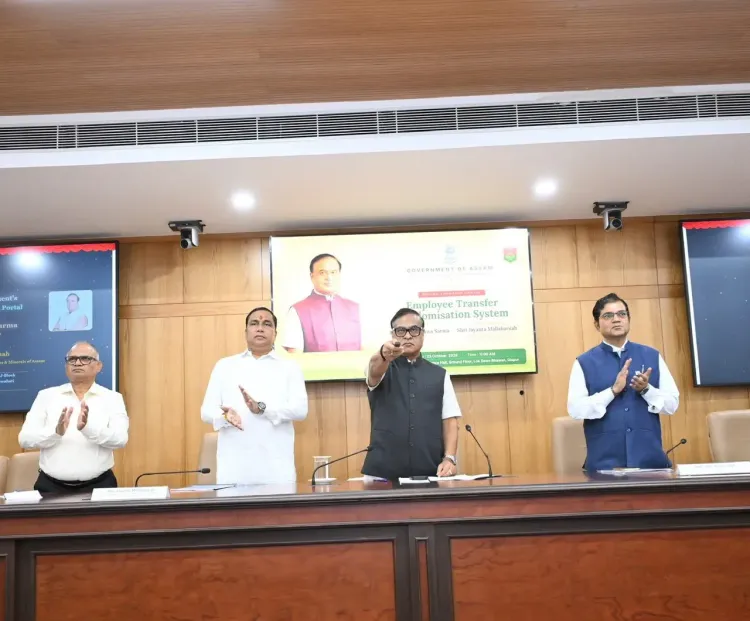
CM Himanta Launches ETRS to Reform Assam Forest Transfers
Synopsis
Assam CM Himanta Biswa Sarma launched the Electronic Transfer Randomisation System on October 23, 2026, automating postings for 2,137 Forest Department personnel, cutting discretion from a process long vulnerable to informal influence.
Key Takeaways
ETRS launched on October 23, 2026 by CM Dr.
Himanta Biswa Sarma for the Assam Forest Department.
The system has processed transfers for 2,137 eligible personnel using automated randomisation.
Exemptions for humanitarian and administrative reasons are built into the platform with rule-bound criteria.
The Assam Forest Department manages over 30,000 sq km of forest cover, making transfer postings high-stakes.
ETRS is part of a broader digital personnel-management push by the Sarma government since 2021, including e-office and HRMS rollouts.
Several Indian states have adopted similar randomised transfer systems in police, education, and revenue departments to curb political interference.
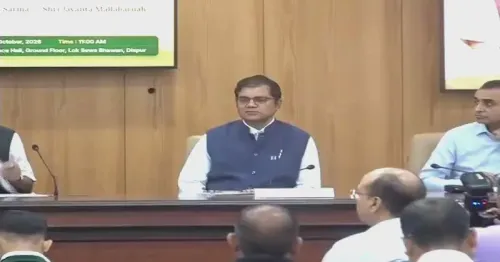
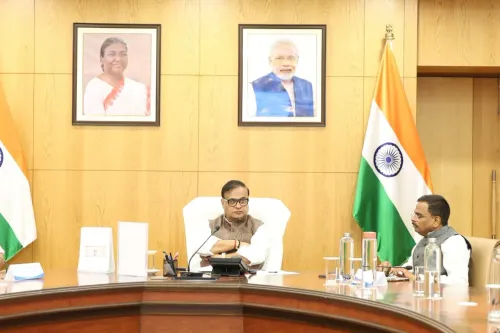
A digital lottery now decides where Assam's forest officers go — and that is precisely the point. Chief Minister Dr. Himanta Biswa Sarma on Friday, October 23, 2026, launched the Electronic Transfer Randomisation System (ETRS) for the Assam Forest Department, stripping discretion out of the transfer process and replacing it with an algorithm. The Chief Minister's Office of Assam announced the move, confirming that the system has already facilitated transfers for 2,137 eligible personnel, with provisions for exemptions on humanitarian and administrative grounds.
What ETRS does — and why it matters in a forest department
The Forest Department is no ordinary bureaucratic posting ground. Managing over 30,000 sq km of forest cover, its officers sit at the intersection of conservation, land rights, wildlife protection, and — in a state like Assam — significant economic pressures from timber, encroachment, and biodiversity corridors. Where an officer is posted, and who controls that posting, has historically carried real stakes. ETRS automates and randomises those decisions, replacing a system where individual discretion — and the rent-seeking that can accompany it — set the terms.
The platform processes eligible personnel through a digital draw, generating posting orders without manual intervention. Exemptions are built in, but they are rule-bound: humanitarian considerations (medical, family) and administrative necessity, not informal influence.
Assam's wider push to digitise personnel management
ETRS does not arrive in isolation. Since 2021, the Sarma-led administration has pushed a rolling digitisation of personnel management across state departments — e-office rollouts, HRMS modules, and now a randomised transfer engine for a sensitive field department. The logic is consistent: reduce the surface area for discretion, create an audit trail, and make the process legible to the people it affects.
Across India, several states have moved in similar directions — computerised transfers in police, education, and revenue departments have been used in Maharashtra, Andhra Pradesh, and Karnataka as instruments against political interference. Assam's ETRS for the Forest Department fits squarely into that national pattern, applied now to an ecological and enforcement context.
Scale, exemptions, and what comes next
The immediate scale is substantial: 2,137 personnel processed in a single system launch signals this is not a pilot. The built-in exemption framework will be the first real test of ETRS's integrity — how those humanitarian and administrative carve-outs are governed will determine whether the randomisation holds in practice or erodes at the edges. Possible extension of the platform to other Assam departments, and any legal challenges from transferred staff, will be the story to watch as the system beds in.
For now, the forest beat in Assam has a new arbiter: not the officer who picks up the phone, but the machine that runs the draw.
Point of View
But a process change that makes policy harder to subvert. For the Sarma government, it reinforces a governance brand built on digitisation and anti-corruption optics, particularly useful in a department where posting power has historically been a source of quiet leverage. The real test, however, is the exemption framework: every randomised transfer system in India has faced pressure at the carve-out margin, where rule-bound exceptions can quietly become the old discretion in new clothing. If Assam can hold the exemption criteria firm and publish outcomes transparently, ETRS becomes a model worth watching for replication across departments.
NationPress
23 Oct 2026
Frequently Asked Questions
What is the ETRS launched in Assam?
ETRS stands for Electronic Transfer Randomisation System — a digital platform launched by the Assam government to automate and randomise transfer postings of Forest Department personnel, reducing scope for manual discretion or informal influence.
How many forest personnel were covered under Assam's ETRS launch?
The system facilitated transfers for 2,137 eligible Forest Department personnel at the time of its launch on October 23, 2026.
Why does Assam need a randomised transfer system for the Forest Department?
The Assam Forest Department manages over 30,000 sq km of forest cover and its officers operate in areas involving land rights, wildlife, and economic pressures — making transfer postings high-stakes and historically susceptible to informal influence. Randomisation removes that discretion.
Are there any exemptions under Assam's ETRS?
Yes. The system includes provisions for exemptions based on humanitarian considerations (such as medical or family circumstances) and administrative necessity, but these are governed by set criteria rather than individual discretion.
Will ETRS be extended to other Assam government departments?
The government has not announced a formal extension yet, but possible rollout to other departments is being watched as a natural next step, given Assam's broader push to digitise personnel management since 2021.