CM Dhami: Pilgrim Safety Our Top Priority on Char Dham Yatra
Synopsis
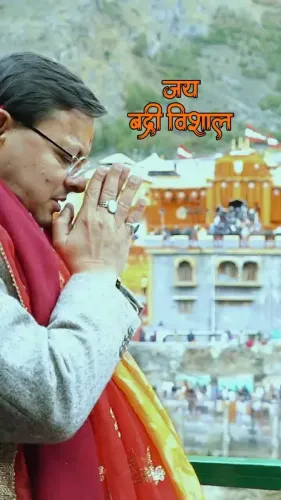
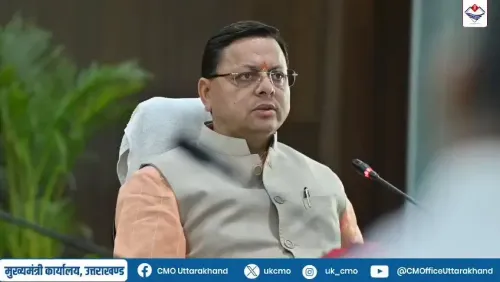
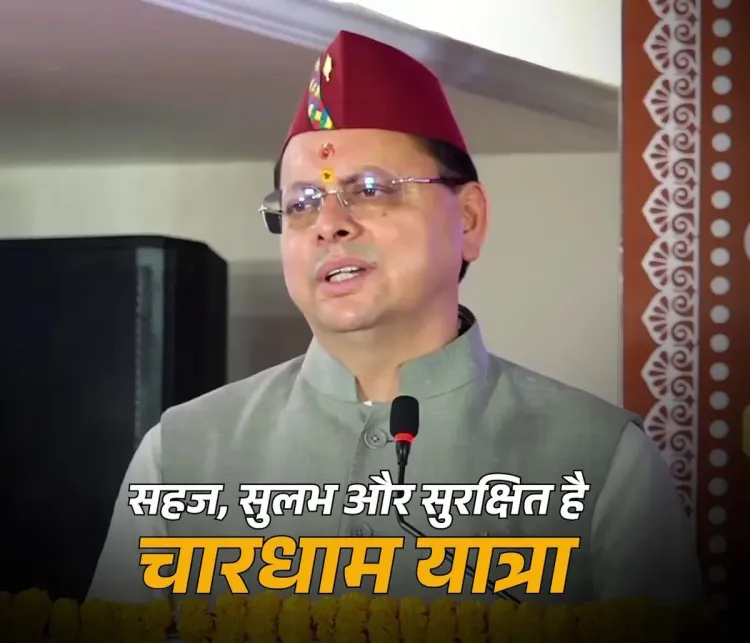
Uttarakhand Chief Minister Pushkar Singh Dhami posted on X on 3 June 2026 that the safety of pilgrims and travellers is his government's foremost priority, sharing a short video during the ongoing Char Dham Yatra season covering Badrinath, Kedarnath, Gangotri and Yamunotri.
Key Takeaways
CM Pushkar Singh Dhami posted on X on 3 June 2026 declaring pilgrim safety the state's top priority.
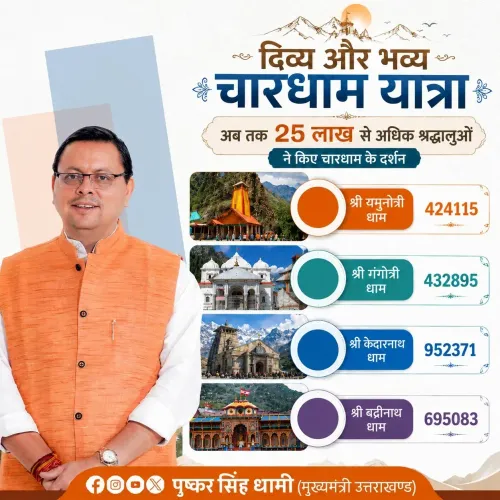
The message came during the peak phase of the 2026 Char Dham Yatra covering four Himalayan shrines.
The post was accompanied by a video and a one-line Hindi statement, with no further written elaboration.
Char Dham Highway project, approved in 2016, remains the backbone of route-safety upgrades.
Focus now turns to monsoon-preparedness directives ahead of late-June rains in Uttarakhand.
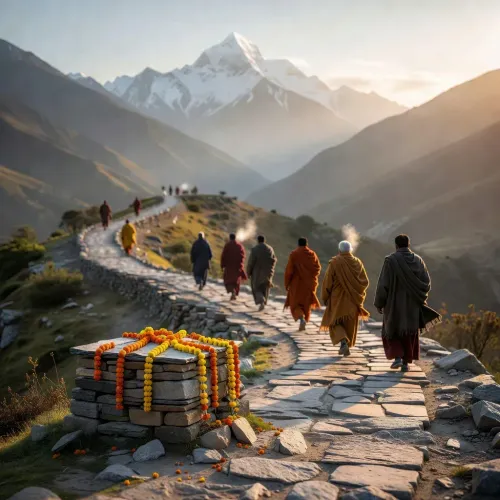
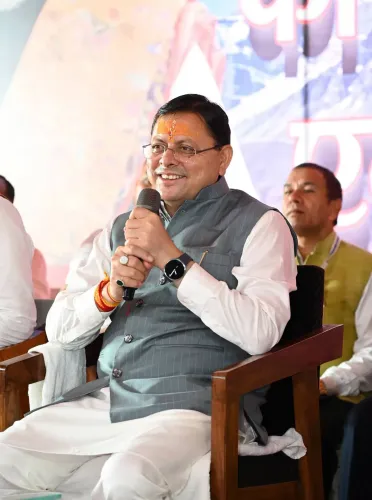
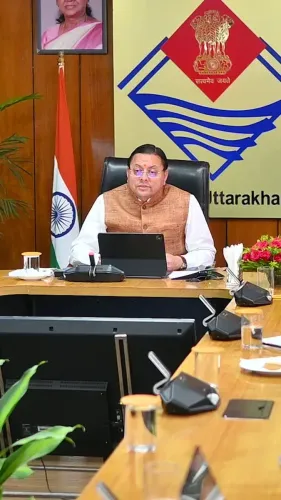
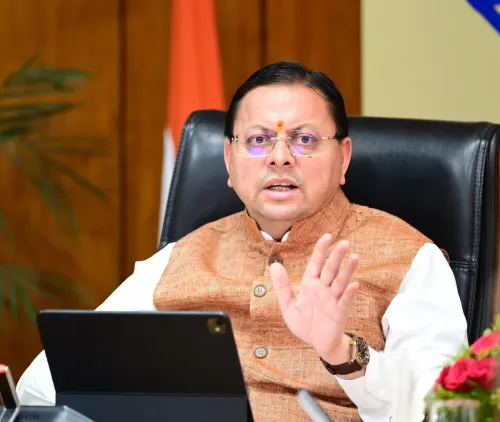
Uttarakhand Chief Minister Pushkar Singh Dhami on 3 June 2026 reiterated that the safety of pilgrims and travellers in the Himalayan state is the government's foremost concern, posting a short message accompanied by a video on X. The brief statement comes in the middle of the ongoing Char Dham Yatra season, when lakhs of devotees traverse Uttarakhand's mountain roads to reach the four shrines.
In his post, the Chief Minister said in Hindi, 'Yatriyon ki suraksha hamari sarvochch prathmikta' ('The safety of pilgrims is our highest priority'). The accompanying video was shared without further written elaboration, with the message itself serving as the headline takeaway.
Context
The post lands during the peak phase of the 2026 Char Dham Yatra, the annual pilgrimage circuit covering Badrinath, Kedarnath, Gangotri and Yamunotri. Each season the yatra draws several million visitors to high-altitude shrines reachable only via narrow mountain highways prone to landslides, sudden weather changes and traffic congestion.
Dhami, who assumed office as Chief Minister in 2021, has repeatedly framed pilgrim management as a flagship governance test for his administration. His latest message follows a familiar template of direct public communication on yatra logistics through social media.
Policy backdrop
Safety on the pilgrimage routes has been a recurring policy concern since the catastrophic floods of 2013 that devastated parts of the Kedarnath valley. The Char Dham Highway project, approved in 2016, was designed to widen the approach roads and add engineered safety features along the four shrine routes, with funding from the central government.
Successive state governments have rolled out registration systems, capacity limits at darshan points, helicopter-shuttle regulation and medical screening for elderly pilgrims. The state's religious-tourism push is tightly woven with these safety frameworks, since yatra disruptions directly hit local livelihoods that depend on a short pilgrimage season.
Stakeholders and impact
Pilgrims and their families are the most immediate audience for the Chief Minister's reassurance, especially those travelling from outside Uttarakhand who depend on state-issued advisories for route planning. Tour operators, transport unions, hotel associations and pony and palki workers along the routes also read such statements as signals on whether the yatra will continue without interruption.
For local administrations in Rudraprayag, Chamoli and Uttarkashi districts, a Chief Minister-level message on safety typically translates into instructions to step up traffic regulation, weather monitoring and rescue readiness on the ground. Disaster response teams of the state, along with central paramilitary units posted in the region, are usually placed on heightened alert during such phases.
What's next
Attention will shift to the state government's monsoon-preparedness directives, since the southwest monsoon typically reaches Uttarakhand by late June and historically triggers landslides that force temporary halts of the yatra. Any fresh safety audit, revised registration cap or route-closure protocol issued in the coming days will be read against this assurance.
The political stakes for Dhami rest on running the 2026 season without a major incident, while sustaining the pilgrim footfall that anchors the hill economy. The brevity of his post suggests the government wants to project calm continuity rather than respond to any single development, even as ground-level operations intensify through the peak yatra weeks.
Point of View
Reassurance-first posts from the Chief Minister timed to the most sensitive weeks of the yatra calendar. With the Char Dham economy tightly linked to perceptions of safety, even a brief statement functions as a signal to administrations down the chain and to pilgrims still finalising travel. The real test will be whether monsoon-season operations match the tone of such assurances. Dhami's political capital is increasingly tied to running incident-free pilgrimage seasons in a terrain where the margin for error is thin.
NationPress
20 Oct 2026
Frequently Asked Questions
What did Uttarakhand CM Pushkar Singh Dhami say about pilgrim safety?
On 3 June 2026, CM Pushkar Singh Dhami posted on X that the safety of pilgrims and travellers is the Uttarakhand government's highest priority. The post was accompanied by a short video shared during the ongoing Char Dham Yatra season.
When does the Char Dham Yatra 2026 take place?
The Char Dham Yatra runs through the summer months in Uttarakhand, with peak movement typically before the monsoon arrives in late June. The circuit covers Badrinath, Kedarnath, Gangotri and Yamunotri.
What is the Char Dham Highway project?
The Char Dham Highway project is a road-widening and safety upgrade programme approved in 2016 to improve access to the four Himalayan shrines. It is funded with central government support and forms the backbone of route safety on the yatra circuit.
Why is pilgrim safety a recurring issue in Uttarakhand?
Uttarakhand's pilgrimage routes pass through high-altitude, landslide-prone terrain that is particularly vulnerable during the monsoon. Past disasters, including the 2013 Kedarnath floods, have made safety a continuous policy and political concern.
Who is Pushkar Singh Dhami?
Pushkar Singh Dhami is the Chief Minister of Uttarakhand and a BJP leader who assumed office in 2021 after serving as a state minister. He has made yatra management and pilgrim safety central themes of his administration.