CM Dhami Vows Safer, Smoother Char Dham Yatra Infrastructure
Synopsis
Uttarakhand CM Pushkar Singh Dhami on 5 July 2026 pledged full state commitment to making the Char Dham Yatra safer and more accessible, citing ongoing upgrades to connectivity, health infrastructure and security along pilgrimage corridors across Devbhoomi Uttarakhand.
Key Takeaways
CM Pushkar Singh Dhami reaffirmed on 5 July 2026 that the Uttarakhand government is working with 'full commitment' on pilgrimage infrastructure.
The pledge covers connectivity, wayside amenities, health services and security along all major pilgrimage routes.
The Char Dham Yatra — covering Badrinath, Kedarnath, Gangotri and Yamunotri — draws millions of pilgrims annually and is central to the state's tourism economy.
The Char Dham Mahamarg Vikas Pariyojana , approved in 2016 , targets roughly 900 km of highway upgrades linking the four shrines.
Post- 2013 Kedarnath floods , successive governments have invested in slope stabilisation, emergency medical posts and route restoration.
Key milestones to watch include remaining highway completions and new ropeway or heli-service tenders ahead of the next yatra season.
Uttarakhand Chief Minister Pushkar Singh Dhami reaffirmed on Sunday, 5 July 2026, that his government is working with 'full commitment' to make the sacred pilgrimage journey through Devbhoomi Uttarakhand easier, safer and more comfortable for devotees — pledging continuous strengthening of connectivity, health services, security and essential wayside facilities along pilgrimage routes.
Context
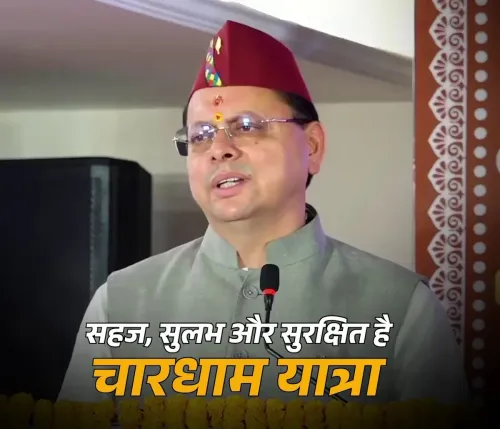
Posting in Hindi on X, CM Dhami wrote that the state government is working with complete dedication to make 'this sacred journey of faith, spirituality and Sanatan culture' (aastha, adhyatma aur Sanatan sanskriti ki is pavan yatra) more accessible and secure for pilgrims. He specifically cited strengthening of connectivity and continuous upgrading of infrastructure, health and security arrangements on the route, so that every devotee may experience 'the divinity, warmth and excellent arrangements of Devbhoomi Uttarakhand.'
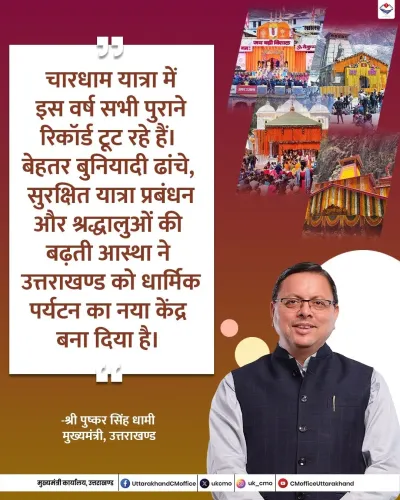
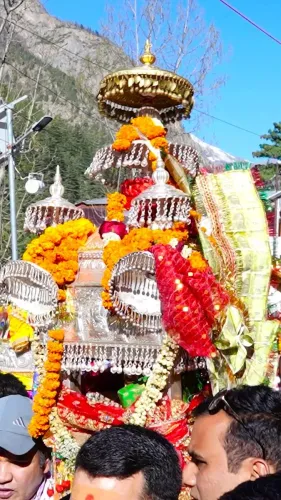
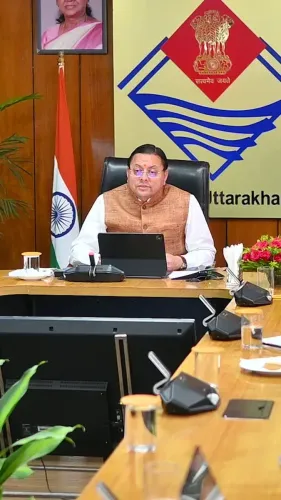
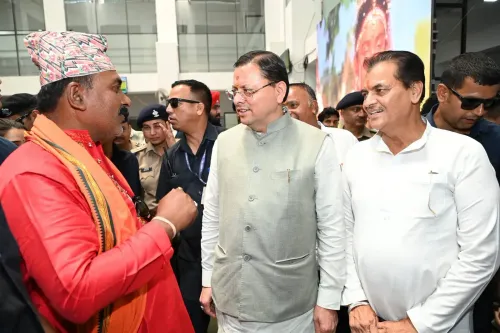
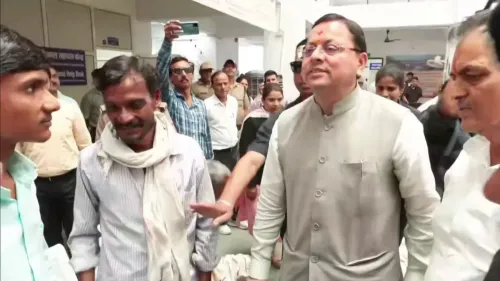
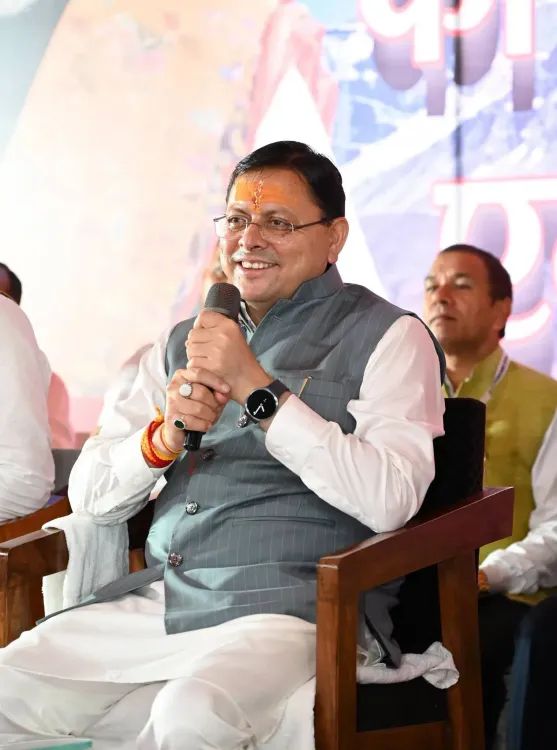
The post was accompanied by four images, underscoring an on-ground operational focus rather than a purely ceremonial announcement.
Policy Backdrop
The Char Dham Yatra — the seasonal pilgrimage circuit covering Badrinath, Kedarnath, Gangotri and Yamunotri — draws several million devotees each year and is the centrepiece of Uttarakhand's religious tourism economy. The Char Dham Mahamarg Vikas Pariyojana, approved by the central government in 2016, set out to widen and upgrade roughly 900 km of highway linking the four shrines, dramatically improving all-weather access.
Infrastructure investment on these corridors accelerated after the devastating 2013 Kedarnath floods, which killed thousands and exposed the vulnerability of pilgrims on narrow mountain roads. Since then, successive Uttarakhand governments have pursued slope stabilisation, route restoration, ropeway projects and emergency medical posts as standard policy, with BJP administrations framing these works as both economic development and cultural preservation.
Stakeholders and Impact
Pilgrims — numbering in the millions each season — are the most direct beneficiaries of improved road quality, health infrastructure and security cover on the Char Dham routes. Local residents and tourism operators in districts such as Rudraprayag, Chamoli, Uttarkashi and Tehri depend heavily on smooth yatra seasons for their livelihoods.
The broader pattern of pilgrimage-corridor investment is visible across pilgrimage-heavy states, but Uttarakhand's Himalayan terrain makes logistics uniquely challenging — landslides, altitude-related medical emergencies and limited road width have historically caused fatalities and disruptions during peak season.
What's Next
Attention will now turn to completion milestones on remaining Char Dham highway stretches and any new ropeway or heli-service tenders announced before the next yatra season. CM Dhami's statement signals that the state intends to maintain political visibility over pilgrimage infrastructure — a portfolio that carries both administrative weight and significant electoral resonance in Uttarakhand. Sustained delivery on connectivity and health-post upgrades will be the benchmark against which these commitments are measured.
Point of View
The BJP in Uttarakhand reinforces its identity as the custodian of Sanatan culture and Devbhoomi's sacred economy. The framing of pilgrimage infrastructure as a governance deliverable, rather than merely a religious matter, reflects a broader BJP playbook visible in Uttar Pradesh and Madhya Pradesh as well. With the Char Dham highway project still seeing incremental completions, such statements also serve as accountability anchors — they raise public expectations that will be tested each yatra season. The real political dividend will depend on whether on-ground delivery matches the commitment articulated on social media.
NationPress
5 Oct 2026
Frequently Asked Questions
What did CM Dhami say about Char Dham Yatra infrastructure?
CM Pushkar Singh Dhami stated on 5 July 2026 that the Uttarakhand government is working with full commitment to make the Char Dham Yatra safer, more accessible and more comfortable, including upgrades to connectivity, health services and security along pilgrimage routes.
What is the Char Dham Yatra and which temples does it cover?
The Char Dham Yatra is a seasonal Hindu pilgrimage circuit in Uttarakhand covering four sacred shrines: Badrinath, Kedarnath, Gangotri and Yamunotri. It draws several million devotees each year and is the backbone of Uttarakhand's religious tourism economy.
What is the Char Dham highway project?
The Char Dham Mahamarg Vikas Pariyojana is a central government scheme approved in 2016 to widen and upgrade roughly 900 km of roads linking the four Char Dham pilgrimage sites in Uttarakhand, improving all-weather connectivity for pilgrims.
Why is pilgrimage infrastructure important in Uttarakhand?
Uttarakhand's Himalayan terrain makes pilgrimage logistics uniquely challenging. Landslides, altitude-related medical emergencies and narrow roads have historically caused fatalities during peak yatra season, making road widening, health posts and security cover critical for pilgrim safety.
What improvements are being made for Char Dham pilgrims?
The Uttarakhand government is continuously strengthening road connectivity, wayside amenities, health infrastructure and security arrangements along Char Dham pilgrimage corridors. Ropeway projects and heli-services are also part of the broader connectivity push.