CM Conrad Sangma extends birth record name insertion window to 20 years

Synopsis
Meghalaya CM Conrad Sangma announced the Cabinet's approval of an amendment extending the birth record name-insertion period from 15 to 20 years under Rule 10(1) of the state's 1999 registration rules, in line with a Government of India directive, widening access to official documentation for unregistered citizens.
Key Takeaways
Rule 10(1) amended: Meghalaya Cabinet approved a change to the Meghalaya Registration of Births and Deaths Rules, 1999 .
Window extended: Period for inserting names in birth records increased from 15 to 20 years — an addition of five years .
Central alignment: The amendment follows a Government of India directive prompting states to extend name-insertion timelines.
Two beneficiary groups: Covers those whose births were never registered and those registered without a name in the official record.
Documentation access: The change underpins access to identity proofs and welfare entitlements that flow from a valid birth certificate.
Implementation watch: The Meghalaya Health Department will oversee rollout; outreach to remote communities remains the critical next step.
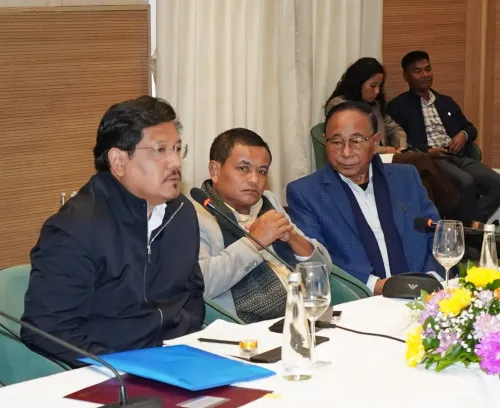
Five extra years can make all the difference between a citizen who exists on paper and one who does not. Meghalaya Chief Minister Conrad Sangma announced on Thursday, 19 November 2026 that the state Cabinet has approved an amendment to Rule 10(1) of the Meghalaya Registration of Births and Deaths Rules, 1999, extending the window for inserting names in birth records from 15 to 20 years.
What Rule 10(1) actually changed
Until now, individuals born in Meghalaya had a 15-year window to get their name formally inserted into the official birth register — a narrow timeline that left many adults without valid documentation. The amended rule stretches that limit to 20 years, giving unregistered citizens or those registered without names an additional five years to complete the process. The change is explicitly framed as being 'in line with the Government of India's directive', signalling a coordinated push across states to tighten civil registration coverage.
Why a name in a birth record matters
India's civil registration architecture traces back to the Registration of Births and Deaths Act, 1969, which created the national framework for compulsory recording of vital events, leaving states to frame their own procedural rules. A birth certificate with a name is often the foundational document from which every other identity proof — school enrolment, Aadhaar, voter ID, passport — flows. In Meghalaya, where tribal communities in remote hills have historically faced gaps in formal registration, the absence of that single record can lock families out of welfare entitlements and official services for generations.
Indian states periodically update these rules to align with central directives, each incremental extension nudging coverage closer to universality. Meghalaya's move fits that pattern — but for the families it reaches, the bureaucratic tweak is anything but routine.
Who benefits and what comes next
The amendment targets two categories: individuals whose births were never formally registered, and those registered at birth but whose names were not inserted at the time. Both groups can now approach registration authorities until the age of 20. The Meghalaya Health Department, which oversees civil registration in the state, will be the agency to watch as implementation begins — the real test will be whether outreach campaigns accompany the rule change to ensure citizens in remote areas actually know the window has widened.
A law that extends a deadline is only as useful as the people who know it exists.
Point of View
Where tribal communities in remote highland areas have historically been under-registered, extending the name-insertion window is more than administrative housekeeping: it is a direct enabler of welfare access. The broader pattern of Indian states periodically revising these timelines suggests the Registration of Births and Deaths Act, 1969 framework is working as a minimum-standards floor, with states nudging upward. The real policy question now shifts to implementation — a rule change without accompanying outreach risks being a paper improvement that never reaches the citizens it was designed to help.
NationPress
19 Nov 2026
Frequently Asked Questions
What is the Meghalaya birth registration rule amendment approved in November 2026?
The Meghalaya Cabinet amended Rule 10(1) of the Meghalaya Registration of Births and Deaths Rules, 1999 , extending the period for inserting names in birth records from 15 to 20 years , following a Government of India directive.
Who benefits from extending the birth name-insertion period to 20 years in Meghalaya?
Two groups benefit: individuals whose births were never formally registered, and those whose births were registered but whose names were not inserted at the time — both now have until age 20 to complete the process.
Why is a birth certificate with a name important for citizens in India?
A named birth certificate is typically the foundational identity document from which school enrolment, Aadhaar, voter ID, passport, and welfare entitlements are accessed; without it, citizens can be effectively locked out of official services.
Is this amendment specific to Meghalaya or a national policy change?
The amendment is specific to Meghalaya's state rules, but it follows a Government of India directive asking states to extend their name-insertion timelines — several Indian states are expected to make similar changes.
Which department will implement the amended birth registration rules in Meghalaya?
The Meghalaya Health Department , which oversees civil registration in the state, will be responsible for implementing the amended Rule 10(1).