Bihar CM Pushes Solar Panels, Water Quality Checks
Synopsis
Bihar CM Nitish Kumar on 19 November 2026 directed departments to explore solar panels to cut electricity costs, conduct regular water-quality tests, and strengthen the state's complaint redressal system — a three-point administrative push touching energy, public health, and citizen accountability.
Key Takeaways
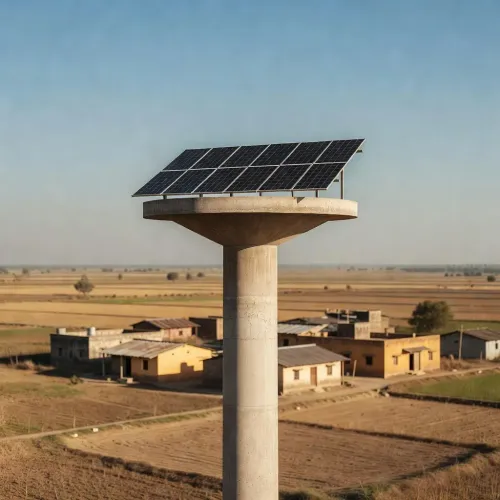
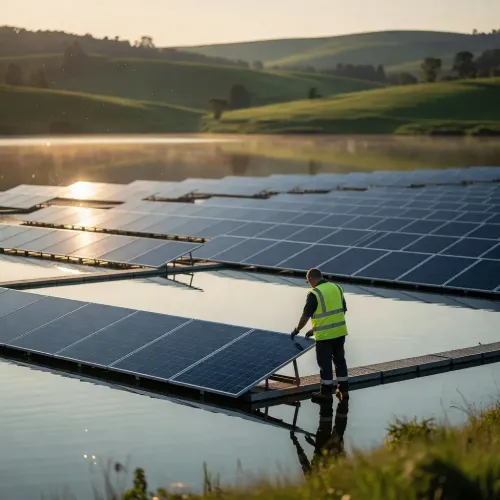
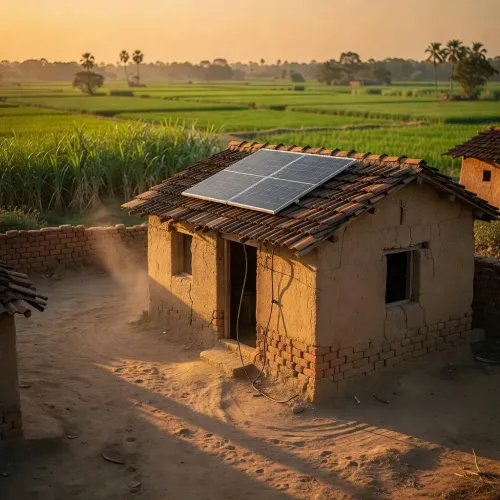
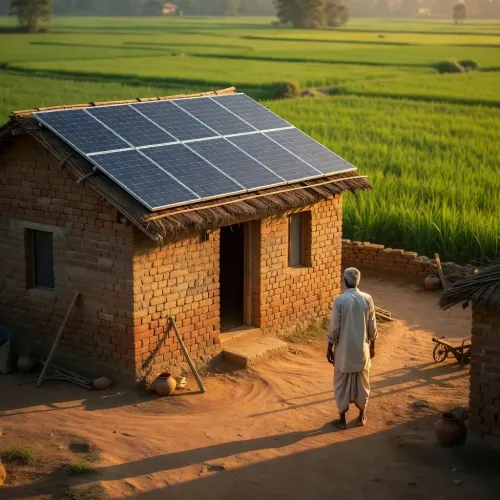
Solar panel exploration: Bihar CM directed departments to work on the possibilities of using solar panels to reduce electricity expenditure in public infrastructure.
Water-quality testing: The CM stressed regular, systematic testing of water quality as part of ongoing drinking-water safety commitments.
Grievance redressal focus: Making the complaint redressal system more effective was highlighted as a governance priority.
National policy alignment: The directives align with India's National Solar Mission (2010) and the Jal Jeevan Mission (2019) at the state implementation level.
Broader state trend: Indian states have increasingly pushed solar adoption in government buildings to cut recurring power costs without fresh borrowing.
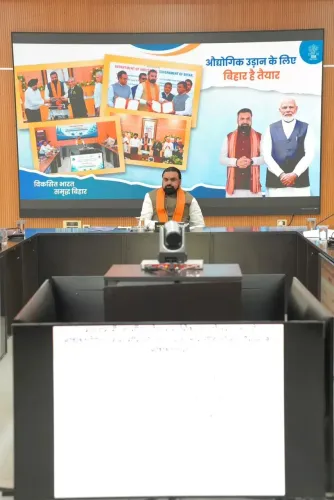
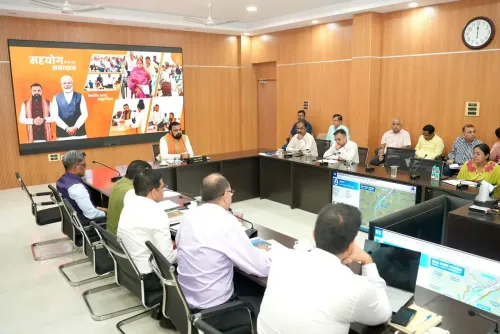
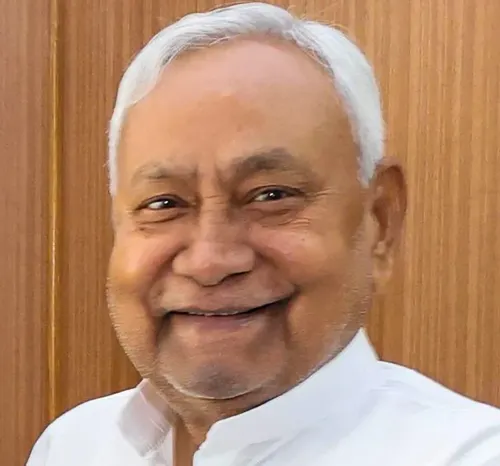
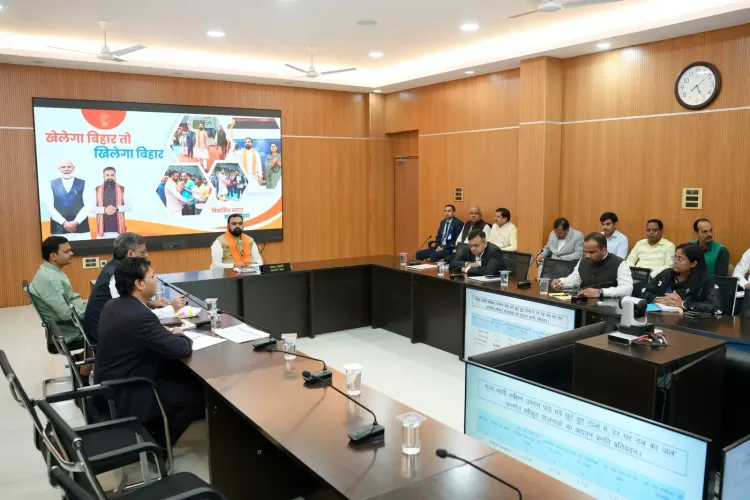
Three directives, one clear signal: Bihar Chief Minister Nitish Kumar has zeroed in on the basics that most directly touch everyday life — electricity bills, drinking water safety, and the machinery citizens use when things go wrong. The Chief Minister's Office of Bihar posted on Thursday, 19 November 2026, outlining the CM's fresh emphasis on solar energy adoption, routine water-quality testing, and a more effective grievance redressal system.
The post states that the Chief Minister 'laid special emphasis on working towards the possibilities of using solar panels to reduce electricity expenditure, regular testing of water quality, and making the complaint redressal system effective' — three planks that together form a compact infrastructure-and-accountability agenda.Solar as a cost-cutting lever for Bihar
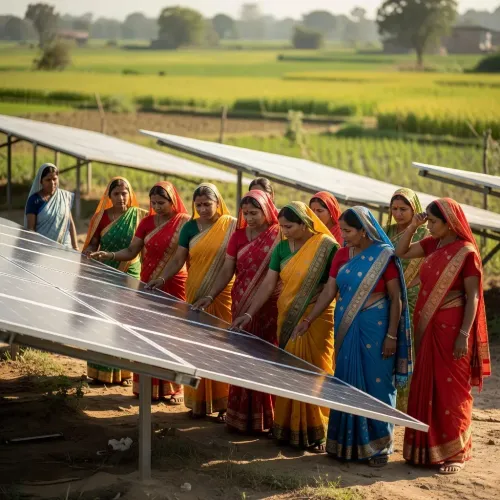
Bihar's public institutions — schools, hospitals, panchayat offices — carry a significant electricity burden on the state exchequer. By directing departments to explore solar panel deployment, the CM is reaching for a tool that Indian states have increasingly used to cut recurring power costs without fresh capital borrowing. India's National Solar Mission, launched in 2010, created the policy scaffolding for exactly this kind of state-level push, and Bihar's renewed focus fits into a broader national pattern of routing rooftop solar into government infrastructure.
Water quality testing as a Jal Jeevan commitment
The directive on regular water-quality testing carries weight given Bihar's history of groundwater contamination concerns. The Jal Jeevan Mission, launched nationally in 2019, made functional household tap connections its headline target — but its less-visible clause was water safety, requiring states to test sources and distribution points on a fixed schedule. The CM's renewed stress on quality checks suggests the state is tightening compliance with that mandate rather than treating connection count as the finish line.
Grievance redressal: the system citizens actually feel
Of the three directives, the call to make the complaint redressal system more effective is arguably the most politically consequential in the short term. Citizens who tap their pipes and find discoloured water, or whose electricity bills do not reflect a subsidised rate, need a live channel to escalate. Across India, strengthening grievance portals has become a standard e-governance benchmark — and a direct measure of administrative credibility at the state level. Bihar's focus on this layer signals an intent to close the loop between scheme delivery and citizen feedback.
Three directives, three pressure points — energy cost, water safety, and accountability. If Bihar's departments translate these emphases into measurable targets, the next report card will come from its own citizens filing — or not filing — complaints.
Point of View
Water testing, grievance redressal — reads less like a policy announcement and more like a mid-cycle correction: a long-serving CM tightening implementation screws on schemes already in motion. The solar push is fiscally logical for a state looking to reduce power expenditure without raising tariffs. More telling is the dual stress on water-quality testing and complaint mechanisms, which together signal that the Bihar government is shifting its performance metric from 'connections provided' to 'services actually working' — a harder standard to meet and a more credible one to run on politically.
NationPress
19 Nov 2026
Frequently Asked Questions
What did Bihar CM Nitish Kumar say about solar panels?
On 19 November 2026 , Nitish Kumar directed departments to work on possibilities of using solar panels to reduce electricity expenditure, particularly in public infrastructure and government buildings.
Why is Bihar focusing on water quality testing?
Bihar's directive aligns with the Jal Jeevan Mission's requirement for states to regularly test water sources and distribution points, moving beyond just counting household tap connections to ensuring the water supplied is actually safe.
What is the grievance redressal system Bihar wants to improve?
The CM emphasised making Bihar's public complaint resolution system more effective so citizens facing issues with electricity, water supply, or other government services have a live and responsive channel to raise concerns.
How does Bihar's solar push connect to national policy?
India's National Solar Mission , launched in 2010 , created the framework for states to adopt rooftop and institutional solar. Bihar's renewed focus is part of a broader pattern of states using solar to cut recurring power costs.
Is this a new policy or a tightening of existing schemes?
The directives build on existing national schemes — Jal Jeevan Mission for water and the National Solar Mission for energy — suggesting this is a mid-course push to strengthen implementation rather than an announcement of a new programme.