CM Nitish Directs Fast-Track Solar Push Under Kutir Jyoti

Synopsis
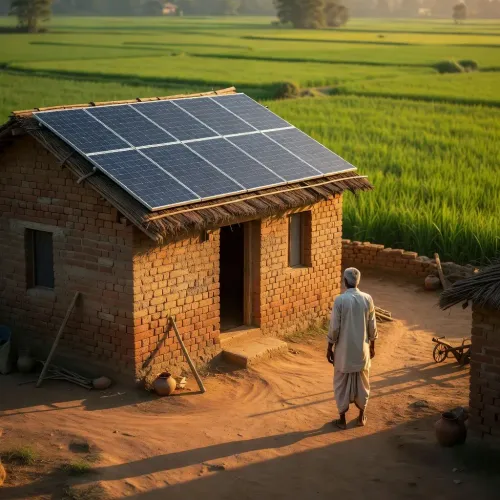
Bihar Chief Minister Nitish Kumar has directed officials to expedite the installation of solar plants at 10 lakh consumer premises under the Kutir Jyoti Yojana, integrating renewable energy into the state's decades-old rural electrification scheme and advancing Bihar's decentralised solar agenda.
Key Takeaways
Bihar CM Nitish Kumar issued a directive on 25 May 2026 to accelerate solar plant installations under the Kutir Jyoti Yojana .
The target is to install solar plants at the premises of 10 lakh consumers across Bihar.
The Kutir Jyoti Yojana was originally launched in 1988-89 to provide electricity connections to rural BPL households.
Bihar is integrating decentralised solar generation into a legacy rural electrification scheme to improve reliability and sustainability.
Primary beneficiaries are rural below-poverty-line households who could gain cleaner, more reliable on-site power.
Rollout timelines and coordination with central rooftop solar initiatives remain key factors to watch.
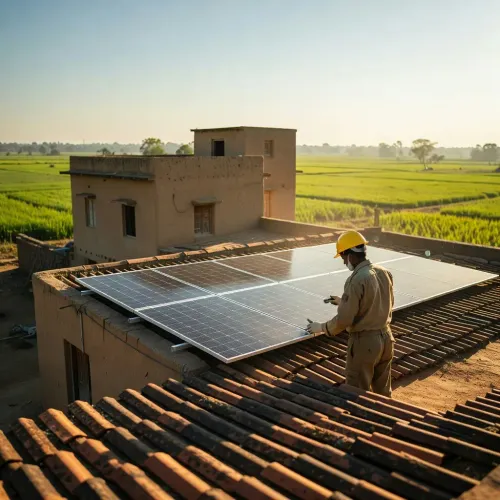
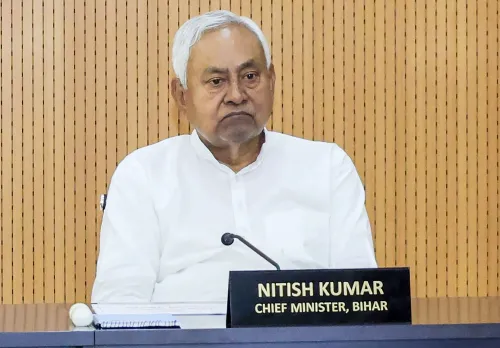
The Chief Minister's Office of Bihar announced on Monday, 25 May 2026 that Chief Minister Nitish Kumar has directed officials to accelerate work toward installing solar plants at the premises of 10 lakh consumers under the Kutir Jyoti Yojana. The directive signals a renewed push to embed renewable energy infrastructure into one of India's oldest rural electrification programmes.
Context
The post from the official CMO Bihar handle states: 'Mananiya Mukhyamantri ji ne Kutir Jyoti Yojana ke antargat 10 lakh upbhoktaon ke parisar mein solar sanyantra sthapit karne ke lakshya par teji se karya karne ka nirdesh diya' — meaning, 'The honourable Chief Minister has directed that work be expedited toward the target of installing solar plants at the premises of 10 lakh consumers under the Kutir Jyoti Yojana.' The instruction underscores the state government's intent to move from planning to execution at scale.
Policy Backdrop
The Kutir Jyoti Yojana was originally launched by the Government of India in 1988-89 to extend single-point electricity connections to below-poverty-line rural households. Over the decades, the scheme has been adapted to incorporate newer technologies, and Bihar's current push layers decentralised solar generation onto the scheme's foundational rural access mandate.
India's broader solar agenda — anchored by the Jawaharlal Nehru National Solar Mission launched in 2010 — has consistently emphasised off-grid and rooftop applications for states with historically low rural electrification rates. Bihar, an eastern Indian state, has integrated solar components into legacy rural power schemes to meet both access and sustainability objectives under national renewable energy targets.
Stakeholders and Impact
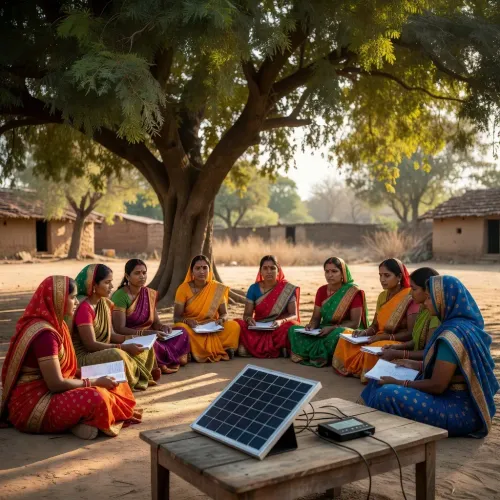
The primary beneficiaries of the initiative are rural below-poverty-line households across Bihar, who stand to gain more reliable and cleaner electricity through on-site solar generation. For many of these consumers, solar plants at their own premises could reduce dependence on an often-strained grid and lower monthly energy costs.
Renewable energy firms and local contractors are also key stakeholders, as a target of 10 lakh installations represents a substantial procurement and deployment opportunity. Coordination with central rooftop solar programmes could unlock additional financing and technical support for the rollout.
What's Next
Officials and observers will watch closely whether the state sets a concrete timeline for achieving the 10 lakh solar installation target and how implementation will be coordinated across districts. The pace of rollout, beneficiary identification, and alignment with central government schemes will determine whether the directive translates into measurable gains in rural energy access. A successful execution could position Bihar as a model for integrating legacy electrification schemes with modern decentralised solar infrastructure across India's eastern states.
Frequently Asked Questions
What is the Kutir Jyoti Yojana?
The Kutir Jyoti Yojana is a Government of India scheme launched in 1988-89 to provide single-point electricity connections to below-poverty-line rural households. Bihar is now integrating solar plant installations into the scheme.
What did Bihar CM Nitish Kumar direct regarding solar energy?
CM Nitish Kumar directed officials on 25 May 2026 to expedite work toward installing solar plants at the premises of 10 lakh consumers under the Kutir Jyoti Yojana.
Who benefits from Bihar's solar plant initiative under Kutir Jyoti Yojana?
The primary beneficiaries are rural below-poverty-line households in Bihar, who would receive on-site solar generation to improve electricity access and reliability.
How many solar plants does Bihar plan to install under this scheme?
Bihar has set a target of installing solar plants at the premises of 10 lakh consumers under the Kutir Jyoti Yojana, as directed by CM Nitish Kumar.
How does Bihar's solar push fit into India's national renewable energy goals?
Bihar's initiative aligns with India's broader push for decentralised solar solutions, including the Jawaharlal Nehru National Solar Mission launched in 2010, which emphasises off-grid and rooftop applications for states with historically low rural electrification rates.