CM Nitish Calls for Wide Solar Plant Awareness in Bihar
Synopsis
Chief Minister Nitish Kumar has directed that the functioning and benefits of solar plants be widely publicised in Bihar's rural areas, aiming to increase grassroots interest in solar energy adoption. The directive, shared by the official Chief Minister's Office on 25 May 2026, aligns with India's broader renewable energy push ahead of its 2030 targets.
Key Takeaways
CM Nitish Kumar has directed wide publicity of solar plant benefits to boost rural solar energy adoption in Bihar .
The directive specifically targets rural areas , where awareness gaps have slowed uptake of available solar schemes.
The order was shared publicly by the Chief Minister's Office of Bihar on 25 May 2026 .
Rural households and farmers are the primary intended beneficiaries of the awareness campaign.
The push aligns with India's participation in the Jawaharlal Nehru National Solar Mission and its 2030 renewable energy targets.
Specific rollout mechanisms, timelines, and additional subsidies have not yet been announced.
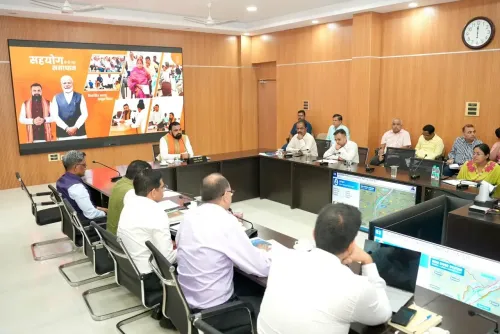
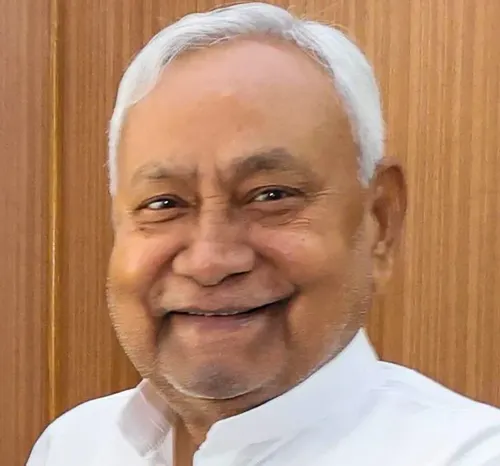
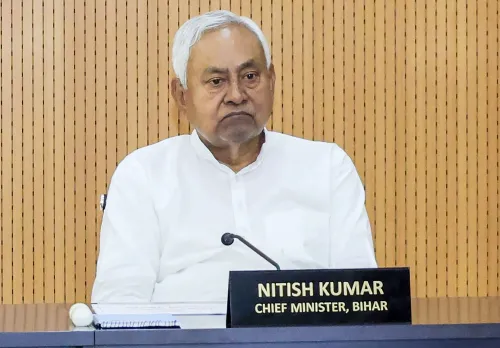
The Chief Minister's Office of Bihar, on Monday, 25 May 2026, shared a directive from Chief Minister Nitish Kumar calling for broad public outreach on the functioning and benefits of solar plants, with a specific focus on encouraging rural communities to adopt solar energy.
In the post, the Chief Minister's Office quoted CM Nitish Kumar as saying: 'Saur sanyantron ki karyapranali evam uske labhon ka vyapak prachar-prasar karaaya jaaye, taaki gramin kshetron mein saur urja apnane ke prati logon ka aakarshan badhe.' [The working of solar plants and their benefits should be widely publicised, so that people in rural areas develop greater interest in adopting solar energy.]
Context
Bihar has been expanding its renewable energy footprint, particularly in villages and semi-urban pockets where grid connectivity has historically been unreliable. The Chief Minister's directive underscores a push not just for infrastructure installation but for demand-side awareness — ensuring that rural households and farmers understand what solar plants can do for them. The statement was shared publicly by the official Chief Minister's Office of Bihar account, signalling that the communication drive is a stated administrative priority.Policy Backdrop
India's solar energy push has its roots in the Jawaharlal Nehru National Solar Mission, launched in 2010, which set the framework for large-scale solar capacity addition and off-grid rural solutions across states. Bihar has participated in central and state-level subsidy programmes designed to bring decentralised solar energy to villages, covering both household use and agricultural applications such as solar-powered irrigation pumps. The Chief Minister's latest directive fits within this longer arc — moving from installation targets to active awareness campaigns that convert potential beneficiaries into actual adopters. India's broader commitment to meeting its 2030 renewable energy targets and long-term net-zero goals has placed state governments at the front line of implementation. Awareness gaps at the grassroots level have often been cited as a key reason why eligible households and farmers do not apply for or utilise available solar subsidies and schemes.Stakeholders and Impact
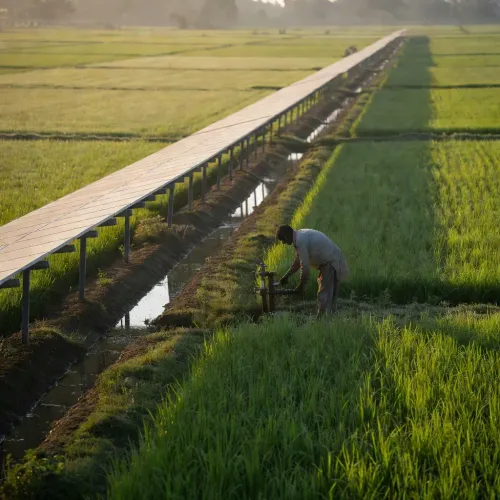
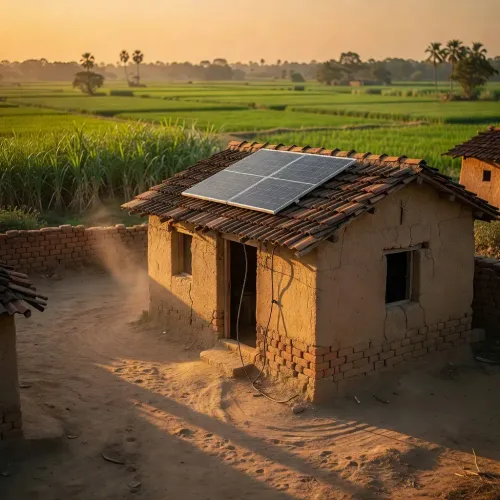
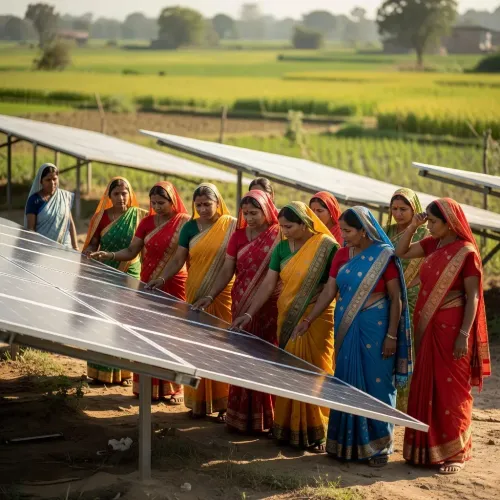
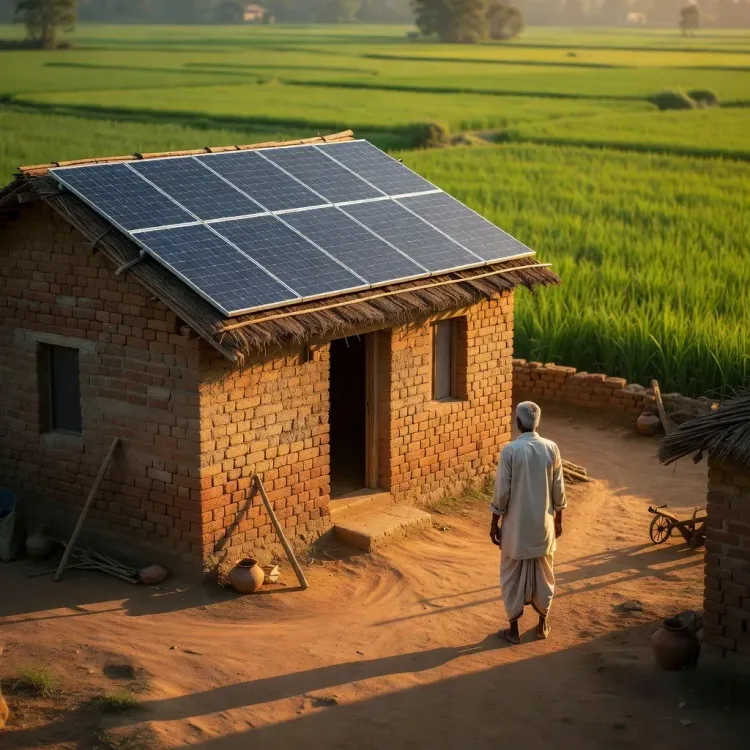
Rural households and farmers stand to benefit most directly from this outreach drive. For farming communities, solar-powered equipment can reduce dependence on diesel and irregular grid power, lowering operational costs. For households, rooftop or yard-mounted solar units can provide reliable electricity in areas where supply remains inconsistent. A sustained awareness campaign — covering how to apply, what subsidies exist, and how the technology works — could meaningfully accelerate uptake in Bihar's underserved rural districts. Local administrative machinery, panchayats, and block-level officers are likely to be the primary vehicles for disseminating this information, though the specific rollout mechanism has not been detailed in the post.What's Next
The directive sets an expectation for departments and agencies to design and execute a public information campaign around solar plants. Observers will watch for formal announcements on awareness drive timelines, district-level targets, and whether additional subsidies or simplified application processes accompany the communication push. Bihar's annual energy plans and state budget allocations for renewable energy will be a key indicator of how much institutional weight is placed behind this intent. If the awareness campaign translates into measurable increases in solar adoption across villages, it could serve as a model for other states grappling with the same last-mile challenge.Point of View
The Chief Minister's Office is acknowledging that infrastructure alone does not drive adoption. This move fits a broader pattern in Indian state governance where the challenge has shifted from building solar capacity to ensuring that eligible beneficiaries actually claim it. Whether the directive translates into a structured, funded campaign or remains an aspirational nudge will determine its real impact on Bihar's renewable energy trajectory.
NationPress
8 Oct 2026
Frequently Asked Questions
What did CM Nitish Kumar say about solar energy in Bihar?
CM Nitish Kumar directed that the functioning and benefits of solar plants be widely publicised, so that people in rural areas develop greater interest in adopting solar energy, according to a post by the Chief Minister's Office of Bihar on 25 May 2026.
Which scheme supports solar energy in Bihar villages?
Bihar's rural solar push is supported in part by the Jawaharlal Nehru National Solar Mission, a central government programme launched in 2010 to expand solar capacity and off-grid solutions across Indian states including Bihar.
Who benefits from Bihar's solar awareness drive?
Rural households and farmers are the primary intended beneficiaries, as the campaign aims to inform them about solar plant benefits, available subsidies, and how to adopt solar energy for household and agricultural use.
Why is rural solar awareness important in Bihar?
Awareness gaps at the grassroots level have often prevented eligible households and farmers from applying for or using available solar schemes, making public outreach a critical step in translating installed capacity into actual adoption.
What is Bihar's role in India's renewable energy targets?
Bihar is one of several state governments running awareness and subsidy programmes that complement India's national goal of meeting its 2030 renewable energy targets and long-term net-zero commitments through decentralised solar energy in villages.