CM Samrat Choudhary Launches Rs 2,790 Cr Solar Push in Bihar
Synopsis
Bihar Chief Minister Samrat Choudhary on June 14, 2026, launched rooftop solar installations for 2.5 lakh Kutir Jyoti households costing Rs 1,512 crore under PM Surya Ghar Muft Bijli Yojana, alongside Rs 1,278 crore in additional energy-sector projects — a combined Rs 2,790 crore push for Bihar's rural power access.
Key Takeaways
Bihar CM Samrat Choudhary launched the commencement of rooftop solar installations on June 14, 2026 .
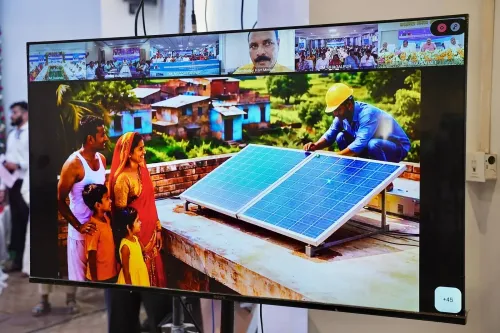
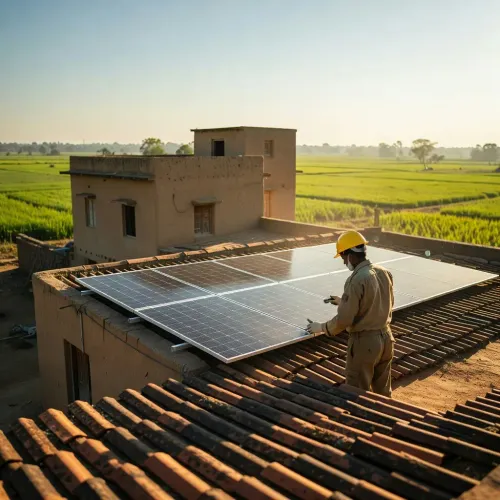
2.5 lakh Kutir Jyoti consumers will receive rooftop solar plants under PM Surya Ghar Muft Bijli Yojana at a cost of Rs 1,512 crore .
Additional energy-sector schemes worth Rs 1,278 crore were also inaugurated or dedicated to the public at the same event.
The combined investment announced at the event totals Rs 2,790 crore .
Kutir Jyoti is a decades-old scheme providing single-point electricity connections to below-poverty-line rural families, now being upgraded with solar capacity.
The initiative aligns with India's national target of 500 GW non-fossil fuel capacity by 2030 under the National Solar Mission .
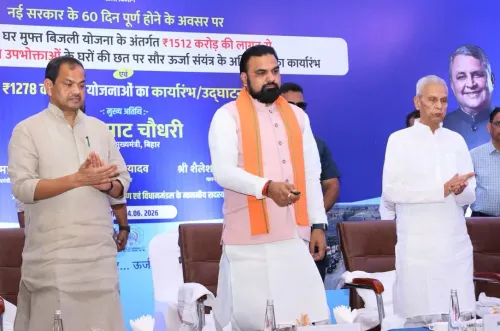
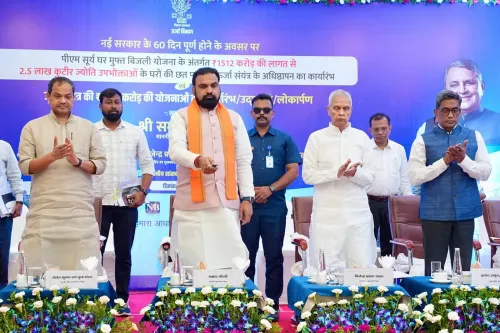
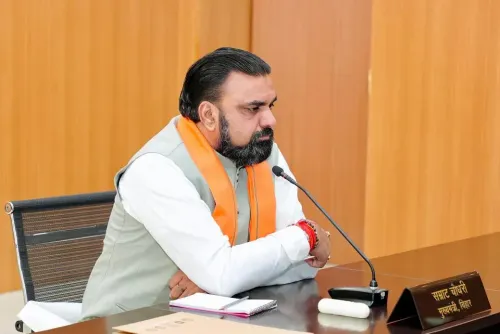
Bihar Chief Minister Samrat Choudhary on Sunday, June 14, 2026, launched a landmark energy initiative in the state, marking the commencement of rooftop solar installations for 2.5 lakh Kutir Jyoti consumers at a cost of Rs 1,512 crore under the PM Surya Ghar Muft Bijli Yojana. The event also saw the inauguration and dedication of additional energy-sector projects worth Rs 1,278 crore, bringing the combined outlay to Rs 2,790 crore.
Context
The Chief Minister announced the programme live, describing it as the 'कार्यारंभ' (commencement) of solar plant installation on the rooftops of households belonging to Kutir Jyoti beneficiaries — a category covering below-poverty-line rural families who were historically provided single-point light connections under a scheme dating to 1988-89. The event simultaneously covered inauguration, dedication to the public, and fresh commencement of multiple energy-sector schemes totalling Rs 1,278 crore.
The post was shared as a live broadcast link, indicating the event was streamed publicly as it unfolded, underlining the government's intent to project transparency around the rollout.
Policy Backdrop
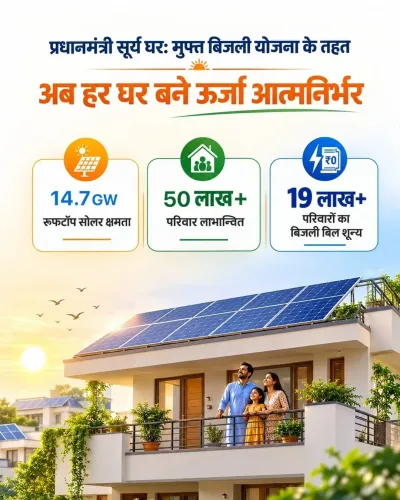
The PM Surya Ghar Muft Bijli Yojana was launched by the Union government in February 2024 with central financial assistance to install rooftop solar systems on one crore households across India, offering up to 300 units of free electricity per month per beneficiary. Bihar, with its large rural household base, is among the states converging central funds with state budgets to achieve last-mile coverage.
The Kutir Jyoti segment is particularly significant: these are households that were electrified under earlier programmes but remain low-consumption consumers, often dependent on subsidised supply. Bringing rooftop solar to this segment is expected to reduce the subsidy burden on Bihar's distribution companies (discoms) while also cutting transmission losses inherent in long rural feeder lines.
The initiative sits within India's broader commitment to achieve 500 GW of non-fossil fuel electricity capacity by 2030 under the National Solar Mission, with decentralised rooftop solar positioned as a key pillar of that target.
Stakeholders and Impact
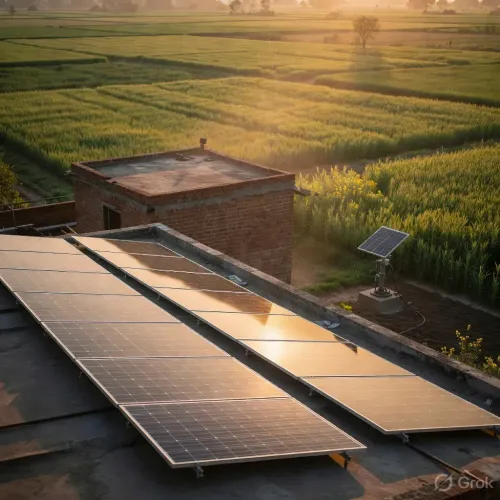
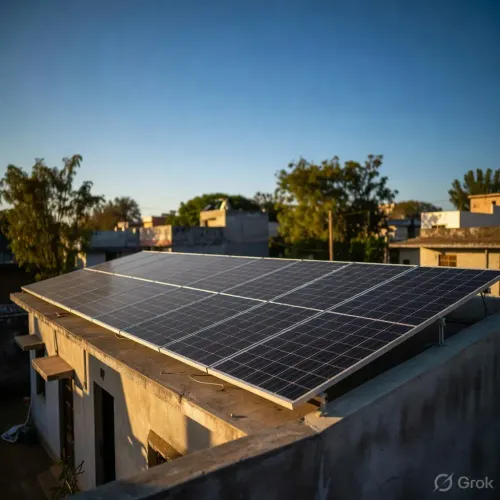
The most direct beneficiaries are 2.5 lakh Kutir Jyoti households in Bihar who will receive rooftop solar installations, potentially eliminating or drastically reducing their monthly electricity bills. For many of these families — concentrated in rural and semi-urban pockets — reliable daytime power can also support livelihood activities such as small-scale processing and irrigation pump operation.
Bihar's discoms stand to gain from reduced peak-hour demand on the grid and a lower per-unit subsidy payout over time. The additional Rs 1,278 crore worth of energy-sector projects inaugurated alongside the solar drive suggests a broader grid-strengthening and distribution-improvement push running in parallel, which is essential for absorbing decentralised generation effectively.
What's Next
The scale of the programme — 2.5 lakh installations at Rs 1,512 crore — means execution will hinge on the pace of vendor empanelment, rooftop assessments, and net-metering tie-ups with discoms. State-level progress reports on installations under PM Surya Ghar and any additional central funding allocations in the next Union Budget will be closely watched by energy-sector observers.
Bihar's move could also serve as a template for other states with large Kutir Jyoti or similarly classified low-income consumer bases, signalling that the PM Surya Ghar framework can be adapted for BPL-targeted rooftop solar at scale.
Point of View
512 crore solar rollout with Rs 1,278 crore in broader energy infrastructure, CM Samrat Choudhary is projecting a whole-of-sector upgrade rather than a standalone welfare measure. The live broadcast format suggests the administration is betting on real-time visibility to build beneficiary awareness and deter implementation delays. If the installation pace matches the announced ambition, Bihar could emerge as a reference state for BPL-targeted decentralised solar — a model with implications for how future Union Budget allocations under PM Surya Ghar are structured and distributed.
NationPress
15 Sept 2026
Frequently Asked Questions
What is PM Surya Ghar Muft Bijli Yojana?
PM Surya Ghar Muft Bijli Yojana is a Union government scheme launched in February 2024 that provides central financial assistance to install rooftop solar systems on one crore households, offering up to 300 units of free electricity per month to each beneficiary.
Who are Kutir Jyoti consumers in Bihar?
Kutir Jyoti consumers are below-poverty-line rural households that were given single-point electricity connections under a scheme started in 1988-89. In Bihar, 2.5 lakh such consumers are now being targeted for rooftop solar installations under PM Surya Ghar Yojana.
How much is Bihar spending on rooftop solar under PM Surya Ghar?
Bihar is investing Rs 1,512 crore to install rooftop solar plants on the homes of 2.5 lakh Kutir Jyoti consumers as part of the PM Surya Ghar Muft Bijli Yojana, as announced by CM Samrat Choudhary on June 14, 2026.
What other energy projects were launched alongside the solar scheme in Bihar?
Alongside the rooftop solar commencement, Bihar inaugurated and dedicated to the public additional energy-sector projects worth Rs 1,278 crore at the same event, bringing the total investment announced on the day to Rs 2,790 crore.
How does Bihar's solar push fit into India's clean energy targets?
Bihar's rooftop solar initiative under PM Surya Ghar contributes to India's national goal of achieving 500 GW of non-fossil fuel electricity capacity by 2030 under the National Solar Mission, with decentralised rooftop solar being a key pillar of that target.