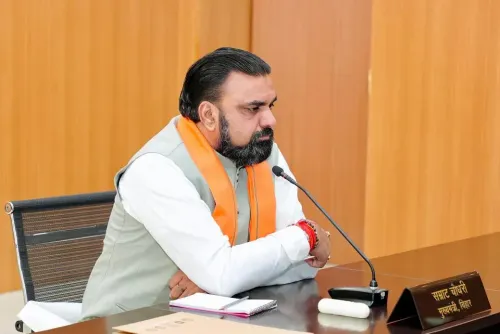
CM Samrat Choudhary: Bihar adds ₹20,000 solar top-up for homes
Synopsis
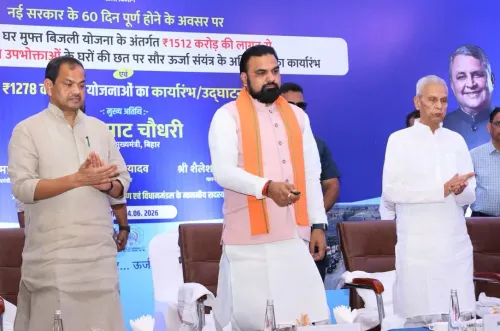
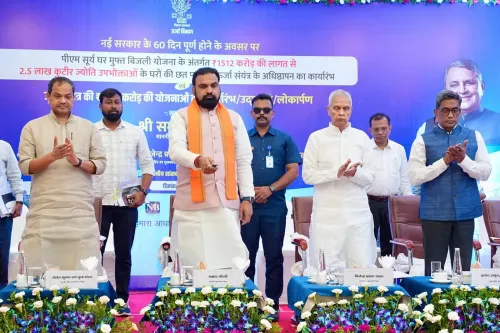
Bihar CM Samrat Choudhary announced a state subsidy of up to ₹20,000 per household for rooftop solar under PM Surya Ghar: Muft Bijli Yojana, with the Bihar Cabinet approving a ₹1,000 crore outlay for one-year implementation to drive clean energy adoption.
Key Takeaways
Bihar will provide an additional ₹10,000 per kilowatt subsidy for rooftop solar, capped at ₹20,000 per residential household .
This state top-up is over and above the central government's existing assistance under PM Surya Ghar: Muft Bijli Yojana .
The Bihar Cabinet approved an estimated outlay of ₹1,000 crore for the scheme, to be spent within one year .
The central scheme, launched in Union Budget 2024-25 , targets rooftop solar in one crore households with up to 300 units of free electricity per month .
Bihar's move aligns with India's national target of 500 GW non-fossil fuel capacity by 2030 .
Every rooftop in Bihar just got a stronger reason to go solar. Bihar Chief Minister Samrat Choudhary announced on Wednesday, 12 August 2026 that the state government will provide an additional subsidy of up to ₹20,000 per household — over and above the central government's existing support — to accelerate rooftop solar adoption under the PM Surya Ghar: Muft Bijli Yojana. The Bihar Cabinet has cleared an estimated outlay of ₹1,000 crore for the initiative, to be disbursed within a single year.
What Bihar's top-up actually means for a household
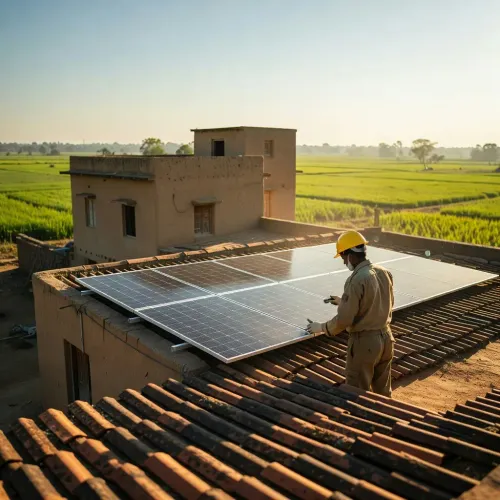
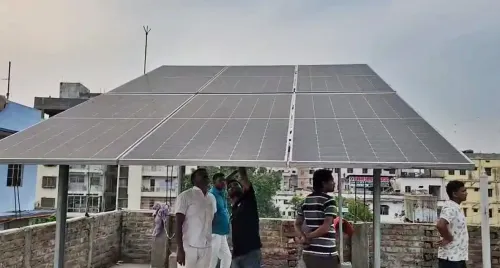
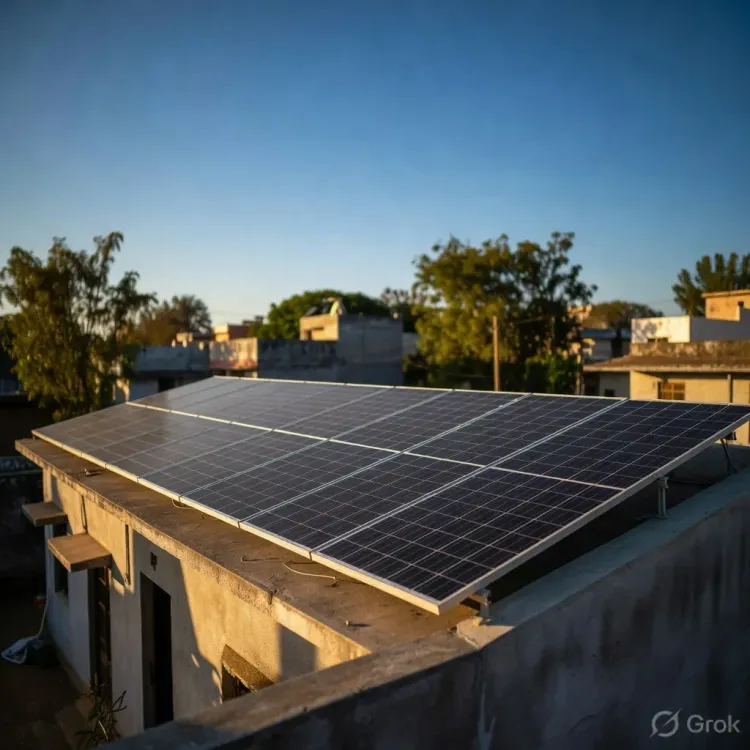
The state will offer ₹10,000 per kilowatt of rooftop solar capacity installed, capped at ₹20,000 per residential consumer. This sits on top of the central scheme's assistance, which already covers up to 60 percent of project cost for eligible households. Together, the two layers of subsidy substantially reduce the upfront cost that has historically been the single biggest barrier to household solar adoption. Lower entry cost, lower monthly bills — the arithmetic is direct.
PM Surya Ghar's national ambition, and Bihar's role in it
Launched in the Union Budget 2024-25, the PM Surya Ghar: Muft Bijli Yojana targets installation of rooftop solar systems in one crore households across India, with a promise of up to 300 units of free electricity per month for beneficiaries. The scheme is central to India's broader push toward a 500 GW non-fossil fuel energy capacity by 2030. Bihar's ₹1,000 crore top-up follows a pattern seen in several other states — supplementing the national scheme with state-level incentives to close adoption gaps in lower-income and semi-urban households. CM Choudhary framed the cabinet decision as a 'decisive step' (nirnayak kadam) toward clean and green energy reaching every home.
₹1,000 crore on the clock: the one-year window
The approved outlay of ₹1,000 crore is earmarked for a one-year implementation window — a tight timeline that signals intent to move fast rather than let the funds sit in bureaucratic limbo. The real test will be whether Bihar's on-ground installation infrastructure — certified vendors, grid connectivity, net-metering capacity — can absorb that spending at pace. Utilisation rates, not just sanctions, will determine whether this cabinet decision translates into panels on rooftops.
Bihar has set a deadline for itself. The question now is how many rooftops meet it.
Point of View
CM Choudhary can amplify a flagship central scheme while claiming independent state initiative, maximising credit on both fronts. The ₹1,000 crore one-year window creates accountability pressure that is unusual for state energy programmes, suggesting this is designed as a visible deliverable rather than a long-horizon commitment. Whether Bihar's grid and vendor ecosystem can absorb that pace will be the real policy test.
NationPress
27 Sept 2026
Frequently Asked Questions
What is Bihar's new solar subsidy announced by CM Samrat Choudhary?
Bihar will provide an additional subsidy of ₹10,000 per kilowatt for rooftop solar installations, up to a maximum of ₹20,000 per residential household, over and above the central government's support under PM Surya Ghar: Muft Bijli Yojana.
How much has the Bihar Cabinet approved for the solar scheme?
The Bihar Cabinet has approved an estimated expenditure of ₹1,000 crore for this initiative, to be disbursed within one year.
What is PM Surya Ghar: Muft Bijli Yojana?
PM Surya Ghar: Muft Bijli Yojana is a central government scheme launched in Union Budget 2024-25 to install rooftop solar systems in one crore Indian households, offering up to 300 units of free electricity per month and covering up to 60 percent of project cost.
Who is eligible for Bihar's rooftop solar subsidy?
The subsidy is targeted at residential consumers in Bihar who install rooftop solar systems under the PM Surya Ghar scheme.
How does Bihar's subsidy combine with the central government's support?
The central scheme already covers up to 60 percent of rooftop solar project cost. Bihar's additional top-up of up to ₹20,000 per household stacks on top of that central assistance, further reducing the upfront cost for homeowners.