CM Samrat Chaudhary Launches Solar Push for 2.5 Lakh Bihar Homes
Synopsis
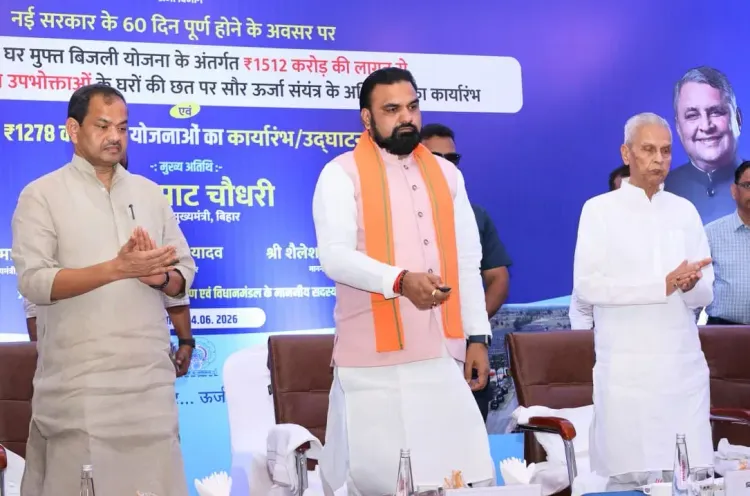
Bihar Chief Minister Samrat Chaudhary on 14 June 2026 inaugurated solar energy plant installation for 2.5 lakh Kutir Jyoti consumers under the PM Surya Ghar Muft Bijli Yojana, converging India's central rooftop solar subsidy scheme with the state's below-poverty-line electricity programme.
Key Takeaways
Bihar CM Samrat Chaudhary inaugurated solar plant installation work on 14 June 2026 .
The drive covers 2.5 lakh Kutir Jyoti consumers — households under Bihar's below-poverty-line electricity programme.
The initiative runs under the PM Surya Ghar Muft Bijli Yojana , launched by the Government of India in 2024 .
Eligible households can receive up to 300 units of free electricity per month under the central scheme.
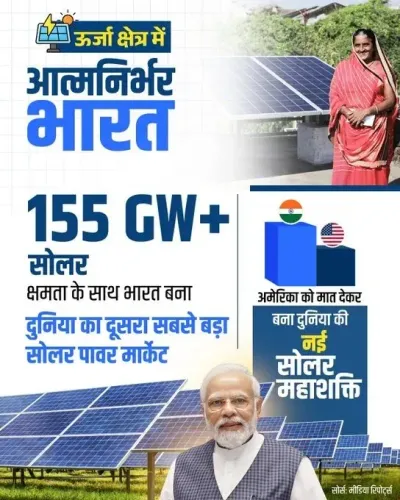
The rollout aligns with India's national target of 500 GW non-fossil fuel capacity by 2030 .
Implementation pace and future budget allocations for Bihar's solar targets will be key indicators to watch.
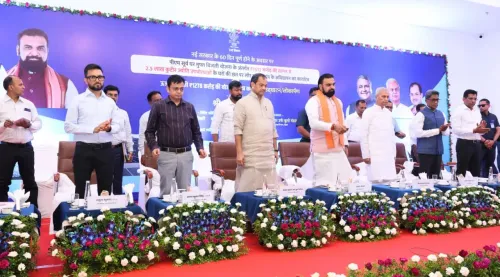
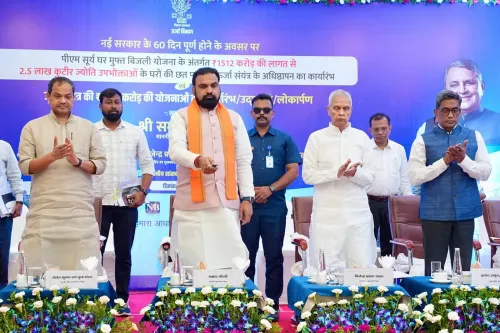
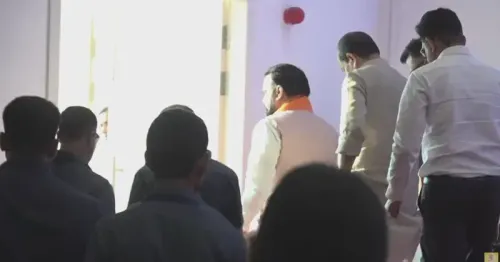
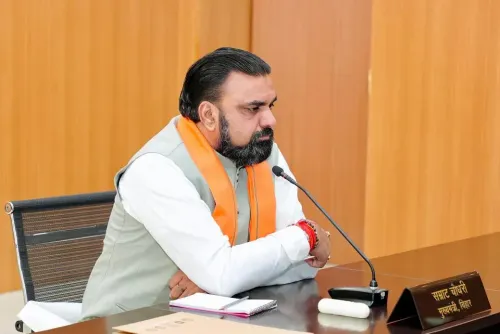
The Chief Minister's Office of Bihar announced on Sunday, 14 June 2026, that Chief Minister Samrat Chaudhary inaugurated the installation of solar energy plants for 2.5 lakh Kutir Jyoti consumers under the PM Surya Ghar Muft Bijli Yojana, marking a significant step in the state's renewable energy drive.
Context
The official post from the Chief Minister's Office stated: 'माननीय मुख्यमंत्री श्री सम्राट चौधरी जी ने आज प्रधानमंत्री सूर्य घर मुफ्त बिजली योजना के तहत 2.5 लाख कुटीर ज्योति उपभोक्ताओं के लिए सौर ऊर्जा संयंत्र स्थापना कार्य का शुभारंभ किया' ['Honourable Chief Minister Shri Samrat Chaudhary today inaugurated the solar energy plant installation work for 2.5 lakh Kutir Jyoti consumers under the PM Surya Ghar Muft Bijli Yojana']. The launch directly targets households enrolled under the Kutir Jyoti programme, a long-standing scheme that has historically extended basic electricity connections to below-poverty-line families in rural areas.
Policy Backdrop
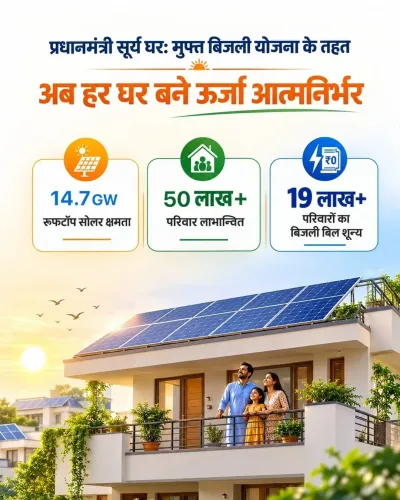
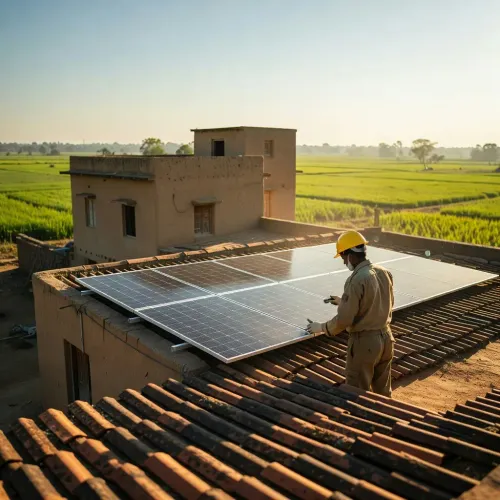
The PM Surya Ghar Muft Bijli Yojana was launched by the Government of India in 2024 with the stated goal of installing rooftop solar units across one crore households nationwide, providing eligible beneficiaries up to 300 units of free electricity per month. The scheme channels central subsidies directly to states and implementing agencies, aiming to reduce household power bills while easing the financial burden on electricity distribution companies. Bihar's move to converge this central scheme with the existing Kutir Jyoti beneficiary base represents a targeted approach to ensuring the poorest households benefit from the solar transition.
India's broader renewable energy ambition targets 500 GW of non-fossil fuel capacity by 2030, with rooftop solar identified as a critical decentralised pillar of that goal. State-level inaugurations of this scale are part of the implementation machinery that translates national targets into household-level impact.
Stakeholders and Impact
The primary beneficiaries are 2.5 lakh Kutir Jyoti consumers across Bihar — rural and semi-urban households that have historically faced unreliable power supply and high per-unit costs relative to their income. For these families, rooftop solar installation under a free-electricity scheme can meaningfully reduce monthly expenditure. Distribution companies in Bihar stand to benefit as well, since decentralised generation reduces peak-load pressure on the grid and lowers aggregate subsidy outflows over time.
The inauguration also carries political significance for the National Democratic Alliance government in Patna, as welfare-linked energy access has been a consistent messaging pillar in the state ahead of electoral cycles.
What's Next
Attention will now shift to the pace and quality of actual installations across the 2.5 lakh targeted households. State-wise progress reports under the PM Surya Ghar Muft Bijli Yojana are periodically released by the central government, and Bihar's execution record will be a key metric. Any supplementary budget allocations in upcoming fiscal announcements — at either the state or central level — to accelerate Bihar's solar targets will be closely watched by both policy observers and beneficiary communities. If the rollout proceeds on schedule, it could serve as a model for other large states seeking to converge legacy rural electrification programmes with the newer rooftop solar subsidy architecture.
Point of View
One new — that could sharpen last-mile delivery if administrative coordination holds. For CM Samrat Chaudhary, the inauguration signals an effort to associate the NDA state government with a high-visibility central welfare scheme ahead of future electoral contests in a state where energy access remains a live public concern. The 2.5 lakh figure is substantial, but the real test lies in installation timelines and post-commissioning grid connectivity, areas where large-scale rural solar programmes have historically faced bottlenecks. If Bihar executes credibly, it strengthens the case for using existing BPL beneficiary rolls as a fast-track targeting mechanism for national renewable energy subsidies.
NationPress
13 Sept 2026
Frequently Asked Questions
What is PM Surya Ghar Muft Bijli Yojana?
PM Surya Ghar Muft Bijli Yojana is a central government scheme launched in 2024 to install rooftop solar units in one crore Indian households, providing eligible families up to 300 units of free electricity per month through central subsidies.
Who are Kutir Jyoti consumers in Bihar?
Kutir Jyoti consumers are below-poverty-line households that received basic electricity connections under the long-standing Kutir Jyoti rural electrification programme; in Bihar, 2.5 lakh such consumers are now being targeted for rooftop solar installation.
What did Bihar CM Samrat Chaudhary inaugurate on 14 June 2026?
Bihar CM Samrat Chaudhary inaugurated the solar energy plant installation work for 2.5 lakh Kutir Jyoti consumers under the PM Surya Ghar Muft Bijli Yojana on 14 June 2026.
How much free electricity will Bihar solar beneficiaries get?
Under the PM Surya Ghar Muft Bijli Yojana, eligible households — including the Kutir Jyoti consumers targeted in Bihar — can receive up to 300 units of free electricity per month after rooftop solar installation.
How does Bihar's solar launch connect to India's 2030 energy target?
India aims to achieve 500 GW of non-fossil fuel capacity by 2030, with rooftop solar a key decentralised component; Bihar's launch of installations for 2.5 lakh households directly contributes to the state-level implementation of this national goal.