CM Samrat Choudhary clears ₹48.09 cr solar push for Bihar rural water
Synopsis
Bihar CM Samrat Choudhary has approved ₹48.09 crore to fit 5 kW on-grid solar panels on rural water supply centres and water towers under the Mukhya Mantri Gramin Peyjal Nishchay Yojana, aiming to cut electricity dependence and secure regular piped water for rural households.
Key Takeaways
₹48.09 crore approved by the Bihar government for solar panels at rural water supply centres and water towers.
Each unit will be a 5-kilowatt on-grid solar panel , allowing surplus power to feed back into the grid.
The decision falls under the Mukhya Mantri Gramin Peyjal Nishchay Yojana , Bihar's rural tap-water scheme.
The move aims to reduce electricity dependence, cut operational costs, and ensure reliable piped drinking water for rural families.
The state scheme complements the national Jal Jeevan Mission , launched in 2019 to provide household tap connections across rural India.
Village water committees managing local supply are among the direct beneficiaries of more energy-secure infrastructure.
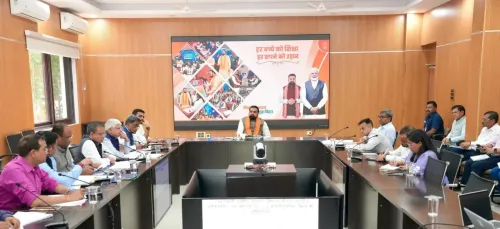
Clean water and clean energy are converging in Bihar's villages — and Bihar Chief Minister Samrat Choudhary has just made it official. On Wednesday, 18 November 2026, the state government approved ₹48.09 crore to install 5-kilowatt on-grid solar panels on water supply centres and water towers (jal meenar) across rural Bihar, a move designed to slash electricity dependence and keep taps flowing reliably.
What the ₹48.09 crore solar push covers
The sanction falls under the Mukhya Mantri Gramin Peyjal Nishchay Yojana — Bihar's state-level scheme to deliver tap water connections to every rural household. CM Choudhary announced the decision on X, posting: 'Gramin peyjal vyavastha ko milegi nayi mazbooti, jalapoorthi kendron par lagenge solar panel!' — roughly, 'Rural drinking water infrastructure will get new strength — solar panels will be installed at water supply centres!'
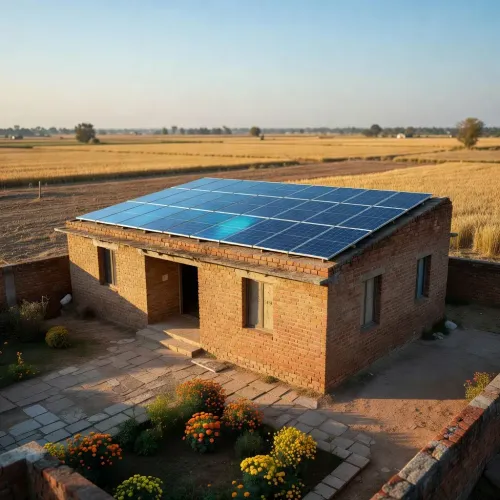
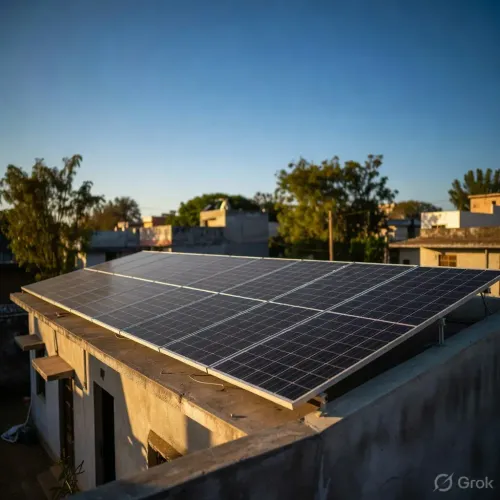
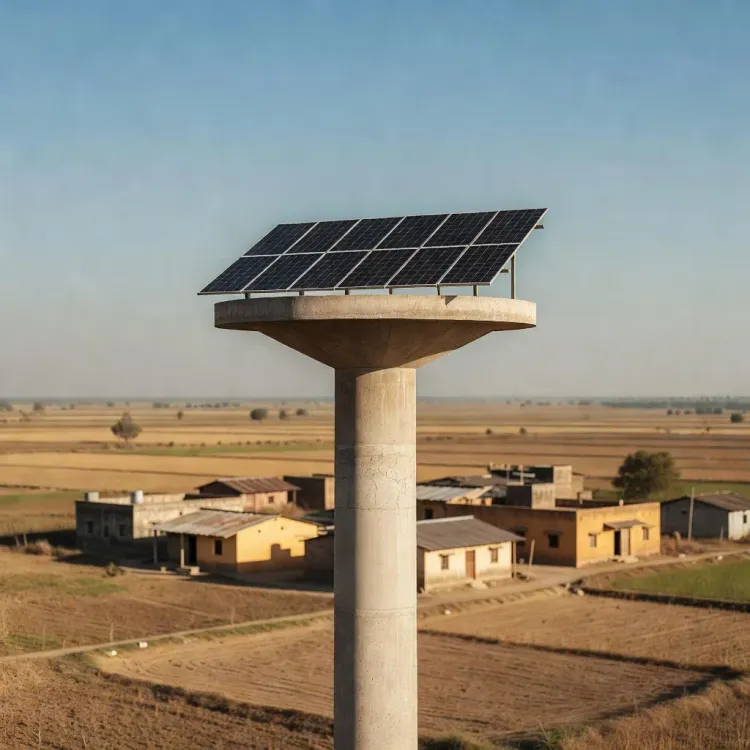
Each 5 kW on-grid solar unit will be mounted at a water supply centre or water tower. The on-grid configuration means surplus power can feed back into the local grid, reducing net energy costs further. The government says the move will make water supply 'more robust' (adhik sudridh) and ensure regular, easy piped water for rural families.
Bihar's rural water push inside the national Jal Jeevan Mission frame
The Mukhya Mantri Gramin Peyjal Nishchay Yojana operates alongside the Jal Jeevan Mission, the central government programme launched in 2019 to deliver functional household tap connections to every rural home in India. Bihar has long been among the states with the largest rural populations still dependent on handpumps and open sources, making consistent electricity supply to pump stations a persistent bottleneck.
Pairing solar with water infrastructure addresses exactly that bottleneck. Indian states have increasingly embedded renewable energy components into welfare schemes precisely to cut recurring operational costs — erratic grid power is one of the most common reasons rural water schemes run dry even after pipes are laid. A solar-powered pump station is, in practice, a more reliable one.
What this means for villages on the ground
The immediate beneficiaries are rural households connected to the scheme's piped network — served through village water committees that manage local supply. Reduced electricity bills at the supply-centre level also free up maintenance budgets that committees can redirect toward upkeep. The on-grid setup adds a revenue dimension: net metering credits could offset future operational costs.
The broader signal is about sustainability. Infrastructure built once and left to the mercy of power cuts has a poor track record in rural India. Solar-backing the pump-and-tower chain means the investment in pipes, connections, and water towers is protected by an energy source that is both cheaper and more predictable in the long run.
The next indicator to watch: district-level rollout timelines and whether subsequent state budgets allocate further tranches to extend the solar component across additional blocks and districts in Bihar.
Point of View
Bihar is following a quietly effective model that other states have used to give welfare schemes operational longevity. The move signals that the Choudhary government is alert to the gap between scheme coverage on paper and actual service delivery — a gap often caused by power supply failures. It also positions the state well ahead of central audits on Jal Jeevan Mission outcomes, where functional tap connections, not just installed ones, are increasingly the metric. The on-grid specification is particularly notable: it converts a cost centre into a partial revenue asset, which could inform how Bihar — and other states — finance rural infrastructure maintenance going forward.
NationPress
18 Nov 2026
Frequently Asked Questions
What is the Mukhya Mantri Gramin Peyjal Nishchay Yojana in Bihar?
It is a Bihar state scheme aimed at providing tap water connections to rural households, ensuring clean and regular drinking water supply through a network of water supply centres and water towers.
How much has Bihar approved for solar panels on rural water supply centres?
Bihar CM Samrat Choudhary's government has approved ₹48.09 crore for the installation of 5 kW on-grid solar panels at water supply centres and water towers under the scheme.
What is a 5 kW on-grid solar panel and why is it being used here?
A 5-kilowatt on-grid solar unit is connected to the electricity grid, meaning it can draw power from the grid when sunlight is insufficient and feed surplus solar power back in. For rural water pumping stations, this reduces electricity costs and improves supply reliability.
How does this relate to the Jal Jeevan Mission?
The national Jal Jeevan Mission , launched in 2019, seeks functional household tap connections across rural India. Bihar's state scheme and this solar upgrade complement that mission by making the underlying pump and tower infrastructure more energy-secure and operationally sustainable.
Who benefits from the solar panels installed on Bihar's water towers?
Rural households connected to the piped water network are the primary beneficiaries, along with village water committees that manage local supply, as lower electricity costs free up maintenance funds.