CM Samrat Choudhary Backs Cabinet Nod for PM Surya Sarovar Yojana
Synopsis
Bihar CM Samrat Choudhary praised the Union Cabinet's approval of PM Surya Sarovar Yojana, which targets 5,000 MW of floating solar power and 10,000 MWh of energy storage — a major step toward India's 500 GW non-fossil fuel goal by 2030.
Key Takeaways
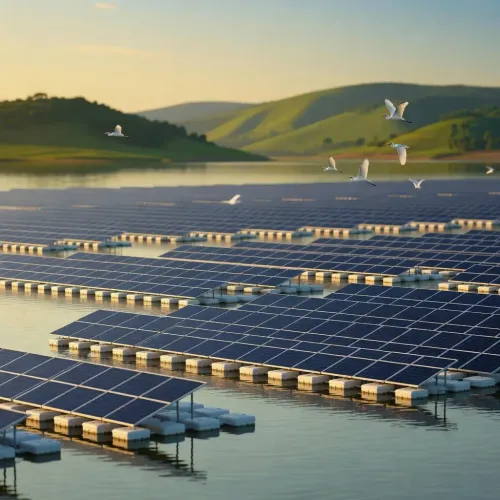
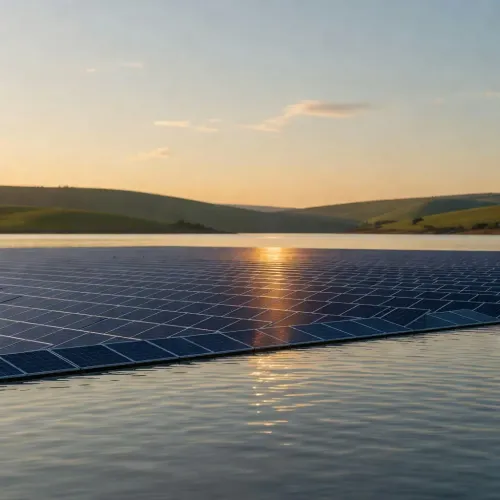
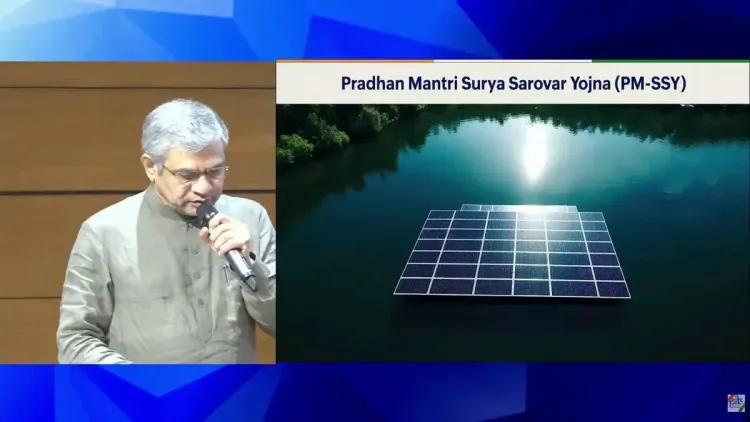
The Union Cabinet approved the Pradhan Mantri Surya Sarovar Yojana , targeting 5,000 MW of floating solar capacity across Indian water bodies.
The scheme includes a 10,000 MWh energy storage system, designed to make solar power dispatchable and grid-stable.
Bihar Chief Minister Samrat Choudhary welcomed the decision on July 31, 2026 , crediting Prime Minister Narendra Modi's leadership.
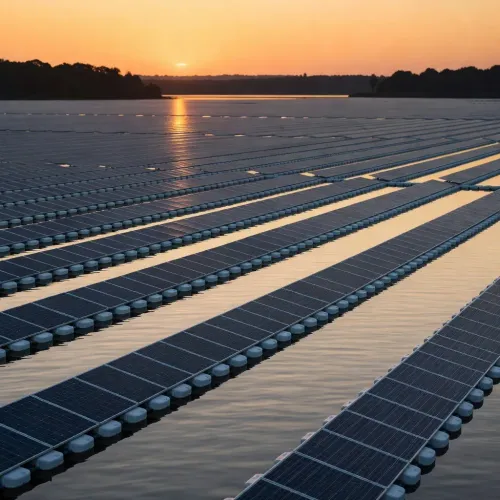
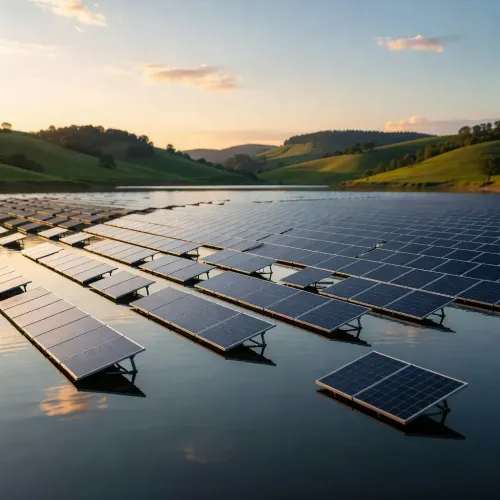
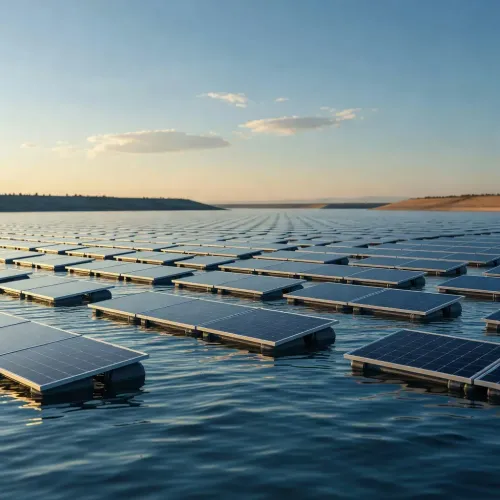
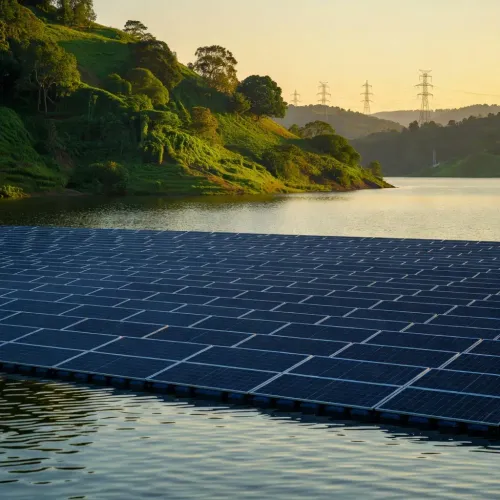
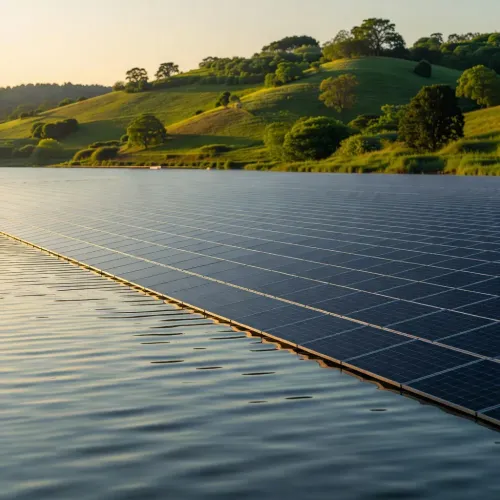
Floating solar addresses India's land scarcity challenge by deploying panels on reservoirs and lakes rather than agricultural or forest land.
The scheme aligns with India's COP26 pledge of 500 GW non-fossil fuel capacity by 2030 and net-zero emissions by 2070 .
Tender processes, site selections, and state-level coordination will be the critical next steps determining rollout speed.
India's renewable energy ambition just got a significant institutional push. Bihar Chief Minister Samrat Choudhary on Friday, July 31, 2026, welcomed the Union Cabinet's approval of the Pradhan Mantri Surya Sarovar Yojana — a scheme that envisions 5,000 MW of floating solar capacity paired with a 10,000 MWh energy storage system, marking one of the largest integrated floating solar bets in the country's clean energy playbook.
Floating Solar Meets Grid Storage — Why This Combination Matters
Floating solar installations on water bodies have long been seen as a smart workaround for India's acute land constraint problem. By anchoring panels on reservoirs and lakes rather than agricultural or forest land, the scheme sidesteps one of the most contentious bottlenecks in India's solar rollout. The addition of a 10,000 MWh battery storage backbone is what separates this announcement from earlier solar targets — storage is the missing link that makes variable solar power dispatchable around the clock, a critical requirement for grid stability.
CM Choudhary described the cabinet decision as 'swachh evam harit urja ke vistar ki disha mein ek mahatvapurn kadam' — 'an important step in the direction of expanding clean and green energy' — and credited the vision to Prime Minister Narendra Modi. He added that the scheme would 'strengthen energy security while giving new momentum to environmental protection and sustainable development.'
India's 500 GW Pledge and the Floating Solar Piece
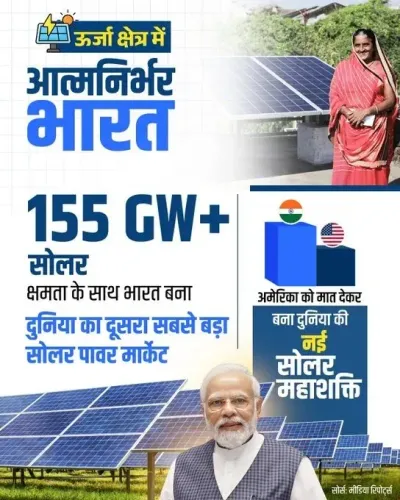
The scheme lands against a backdrop of India's ambitious climate commitments. At COP26 in 2021, India pledged to achieve 500 GW of non-fossil fuel capacity by 2030 and reach net-zero emissions by 2070. The 5,000 MW floating solar tranche under the Surya Sarovar Yojana is a measurable contribution to closing that gap — and a signal that the government is moving beyond ground-mounted solar farms into more complex, land-light deployment models. India's solar journey stretches back to the Jawaharlal Nehru National Solar Mission launched in 2010, but the pace and scale of ambition have accelerated sharply in the years since.
For states like Bihar, which have significant water body coverage and rising electricity demand, schemes of this nature carry particular relevance — both as energy supply solutions and as potential sites for project deployment under central-state coordination frameworks.
What Comes Next: Tenders, Sites, and State Coordination
The cabinet approval is the starting gun, not the finish line. The real test will be in tender processes, site identification across states, and the speed of financial closure for individual projects. Energy storage procurement at the 10,000 MWh scale will also draw close scrutiny from renewable energy developers and state power utilities, who must eventually absorb and integrate this capacity into their grids. Parliamentary sessions ahead are expected to surface follow-up budget allocations and state-level coordination mechanisms that will determine whether the scheme's ambition translates into commissioned megawatts.
As CM Choudhary framed it, this is a 'strong foundation stone' for a 'developed and energy-rich India' — a vision that now has a cabinet seal, and must next find its footing in the ground, or more precisely, on the water.
Point of View
Not just a policy goal. The floating solar plus storage combination signals a maturation in India's clean energy strategy, moving from raw capacity additions to grid-ready, dispatchable power. For CM Choudhary, amplifying a central cabinet decision carries dual utility: it aligns Bihar's leadership with a nationally popular green agenda while keeping the state visible in the federal energy conversation. The real political test arrives when project allocations are announced and states compete for a share of the 5,000 MW pie.
NationPress
15 Sept 2026
Frequently Asked Questions
What is PM Surya Sarovar Yojana?
PM Surya Sarovar Yojana is a central government scheme approved by the Union Cabinet that targets the development of 5,000 MW of floating solar power projects on water bodies, supported by a 10,000 MWh energy storage system to ensure reliable power supply.
What is floating solar energy and why is India adopting it?
Floating solar involves mounting photovoltaic panels on water surfaces such as reservoirs and lakes, avoiding the use of scarce agricultural or forest land. India is adopting it to accelerate solar capacity addition while managing land availability constraints.
How does this scheme relate to India's 2030 renewable energy target?
India committed at COP26 in 2021 to achieve 500 GW of non-fossil fuel capacity by 2030. The 5,000 MW approved under PM Surya Sarovar Yojana contributes directly to closing that gap.
What did Bihar CM Samrat Choudhary say about the cabinet decision?
CM Samrat Choudhary called the cabinet approval an important step toward expanding clean and green energy in India, stating it would strengthen energy security and give new momentum to environmental protection and sustainable development under PM Modi's leadership.
What happens after the cabinet approves the Surya Sarovar Yojana?
Following cabinet approval, the next steps involve floating tenders, identifying specific water body sites across states, coordinating with state power utilities, and securing financial closure for individual projects — processes that will determine actual project timelines.