CM Bhajan Lal Hails Cabinet Nod to PM Surya Sarovar Yojana
Synopsis
The Union Cabinet has approved PM Surya Sarovar Yojana, allocating ₹5,070 crore for 5,000 MW of floating solar PV projects and 10,000 MWh of battery storage. Rajasthan CM Bhajan Lal Sharma hailed the decision as a major stride toward India's clean and self-reliant energy future.
Key Takeaways
The Union Cabinet approved PM Surya Sarovar Yojana (PM-SSY) with an outlay of ₹5,070 crore .
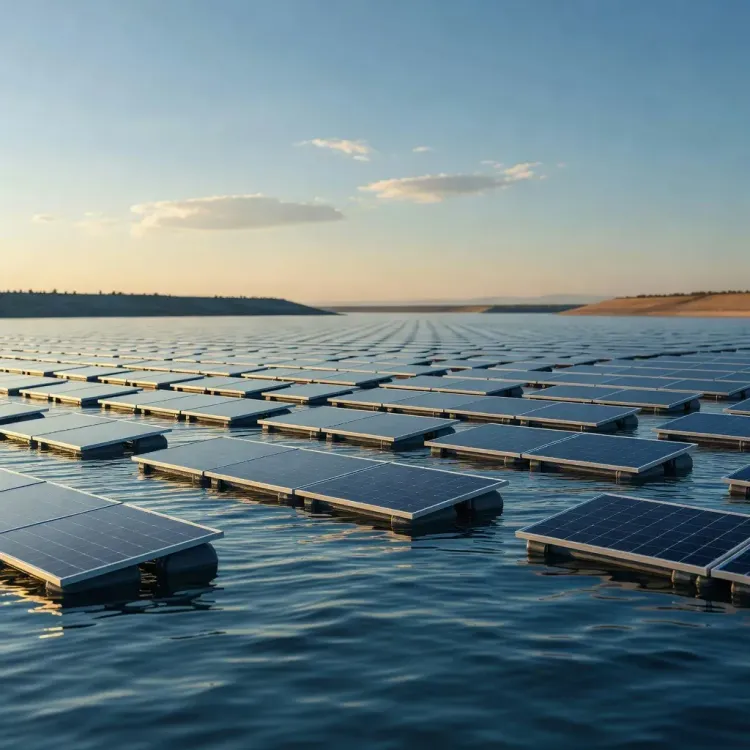
The scheme targets 5,000 MW of floating solar PV capacity deployed on water bodies.
It includes 10,000 MWh of co-located battery storage to ensure despatchable, grid-reliable power.
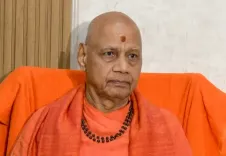
Rajasthan CM Bhajan Lal Sharma publicly welcomed the decision on 31 July 2026 , crediting PM Modi's leadership.
PM-SSY advances India's pledge to reach 500 GW of non-fossil fuel capacity by 2030 , made at COP26 in 2021 .
Execution milestones — tender timelines, state allocations, and grid integration — will determine whether the scheme's targets are met on schedule.
India's clean-energy ambitions just got a significant push: the Union Cabinet has approved the Pradhan Mantri Surya Sarovar Yojana (PM-SSY), a scheme to build 5,000 MW of floating solar photovoltaic capacity backed by 10,000 MWh of battery storage — all at an outlay of ₹5,070 crore. Rajasthan Chief Minister Bhajan Lal Sharma welcomed the decision on Friday, 31 July 2026, calling it a landmark step toward a self-reliant, clean-energy future.
Posting in Hindi, CM Sharma credited the approval to the 'kushal margdarshan' (skilled guidance) of Prime Minister Narendra Modi, stating the scheme would take India to 'new heights in clean and self-reliant energy.' He expressed gratitude to the Prime Minister for what he described as a 'public-welfare and visionary decision.'
Floating Solar: The Land-Smart Bet on Water Bodies
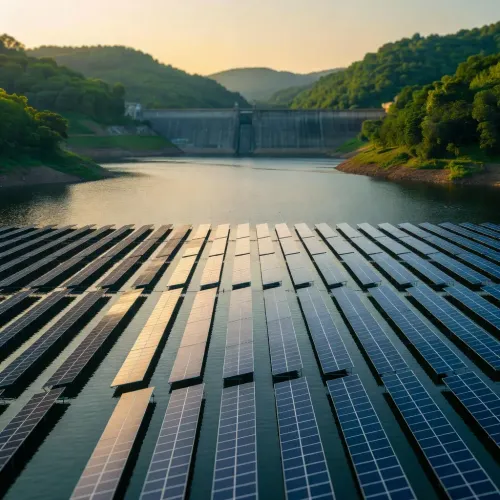
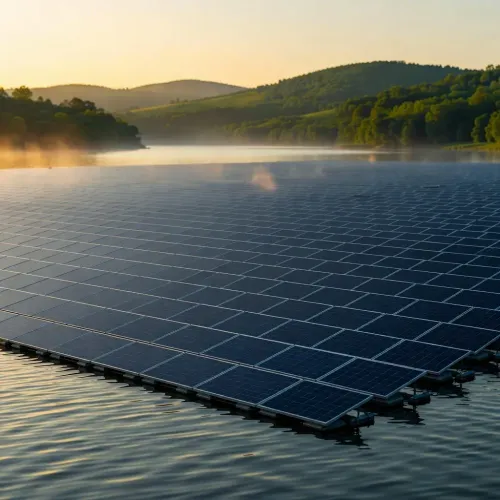
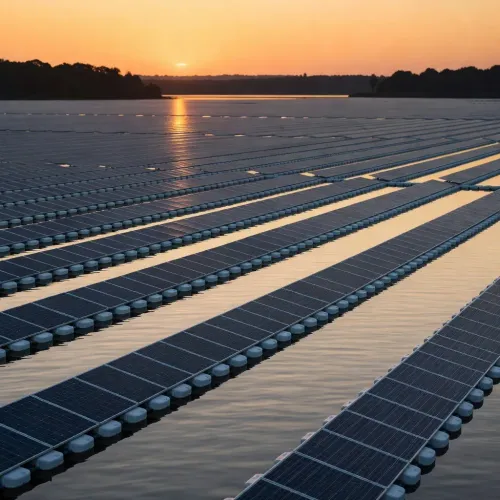
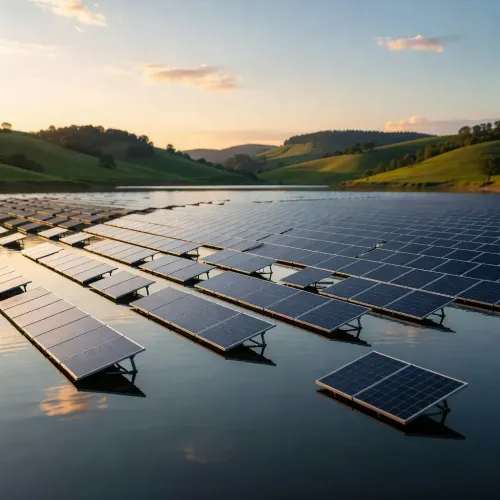
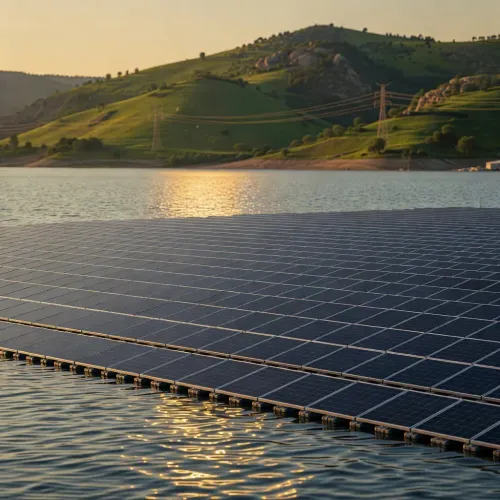
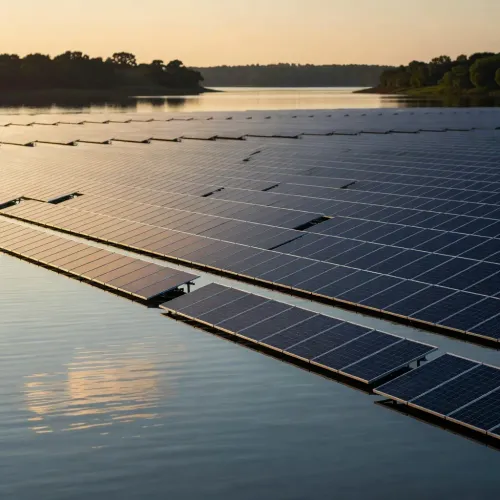
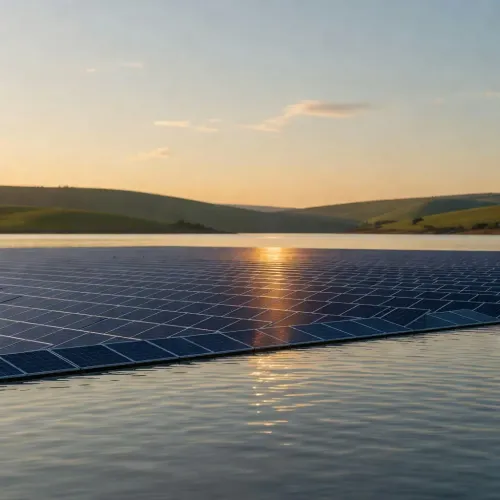
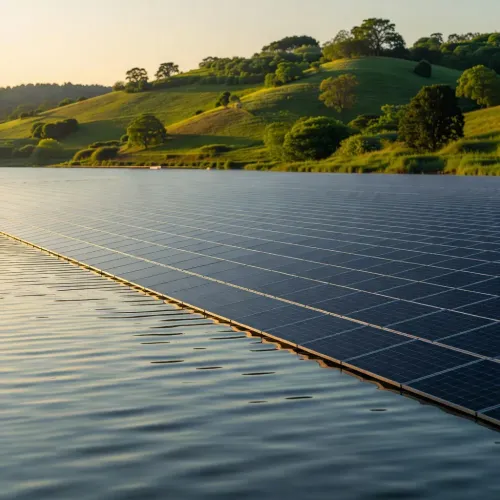
Floating solar is not a novelty in India's renewable playbook, but PM-SSY marks one of the most ambitious deployments of the technology at the national level. By anchoring panels on reservoirs, lakes, and other water bodies, the scheme sidesteps the chronic land-acquisition bottlenecks that have slowed conventional ground-mounted projects. The water surface also keeps panels cooler, improving generation efficiency — a double win.
The 10,000 MWh of co-located battery storage is the scheme's structural backbone. Storage is what converts intermittent solar generation into despatchable power — electricity that grid operators can actually schedule. That integration is precisely what India's grid needs as solar's share of the generation mix climbs.
Where PM-SSY Sits in India's Renewable Arc
The scheme lands inside a policy lineage that stretches back to the Jawaharlal Nehru National Solar Mission of 2010, which first established India's framework for large-scale solar deployment. Since then, installed solar capacity has grown from near-zero to tens of gigawatts, driven by successive central programmes and state-level auctions. At COP26 in 2021, India pledged to reach 500 GW of non-fossil fuel capacity by 2030 — a target that requires exactly this kind of multi-gigawatt push, year after year.
PM-SSY's 5,000 MW floating solar component, if executed on schedule, would represent a meaningful fraction of the remaining distance to that goal.
What Determines Whether the Numbers Land
Cabinet approval is the starting gun, not the finish line. The real test will come in how quickly the government issues tenders to renewable developers, how state power utilities absorb the new capacity into their procurement plans, and how seamlessly the storage systems integrate with existing grid infrastructure. Rajasthan — a state with vast water reservoirs and among the highest solar irradiance in the country — could emerge as a key beneficiary in the project allocation rounds ahead.
India has approved large renewable targets before; execution timelines have often stretched. But the addition of mandatory storage in PM-SSY signals a more mature approach — one that prioritises grid reliability alongside raw capacity numbers. That, more than the headline megawatts, is the policy shift worth watching.
Point of View
Not just headline megawatts. For the BJP, a high-visibility clean-energy scheme ahead of state election cycles doubles as both climate policy and political messaging. The floating-solar format also quietly addresses one of renewable energy's most persistent structural problems in India: land. Whether the scheme accelerates India's race to its 500 GW non-fossil target by 2030 will hinge entirely on how fast tenders move from approval to commissioning.
NationPress
15 Sept 2026
Frequently Asked Questions
What is PM Surya Sarovar Yojana?
PM Surya Sarovar Yojana (PM-SSY) is a central government scheme approved by the Union Cabinet to develop 5,000 MW of floating solar photovoltaic projects paired with 10,000 MWh of battery storage, at a total outlay of ₹5,070 crore.
What is floating solar and why does India need it?
Floating solar installs photovoltaic panels on water bodies such as reservoirs and lakes, avoiding land-acquisition hurdles that slow conventional solar projects. The water surface also cools the panels, improving efficiency.
What did Rajasthan CM Bhajan Lal Sharma say about PM-SSY?
CM Sharma praised the Cabinet's approval, saying the scheme would take India to 'new heights in clean and self-reliant energy' and thanked PM Modi for the 'public-welfare and visionary decision.'
How does PM-SSY connect to India's 2030 renewable energy target?
India pledged at COP26 in 2021 to achieve 500 GW of non-fossil fuel capacity by 2030. PM-SSY's 5,000 MW floating solar component contributes directly toward closing the gap to that target.
What will determine the success of PM Surya Sarovar Yojana?
Key factors include the speed of tender issuance to renewable developers, state power utilities' procurement plans, and how effectively the 10,000 MWh storage systems integrate with India's existing grid infrastructure.