PM Modi highlights Banaskantha's strides in farms, dairy, infrastructure
Synopsis
Prime Minister Narendra Modi spotlighted Banaskantha, northern Gujarat, on 30 October 2026, praising its progress in agriculture, dairy, infrastructure, and connectivity — positioning the district as a rural-development model.
Key Takeaways
PM Modi highlighted Banaskantha district's development on 30 October 2026 via a post on X linked to a broadcast.
Banaskantha in northern Gujarat has a strong agricultural base and is home to Banas Dairy , one of Asia's largest milk-processing cooperatives.
Modi framed farms, dairy, infrastructure, and connectivity as four interlocking pillars of the district's growth.
The Prime Ministerial callout signals top-level attention to district-level rural outcomes in Gujarat .
Physical infrastructure and road connectivity are being positioned as multipliers for existing agricultural and dairy income.
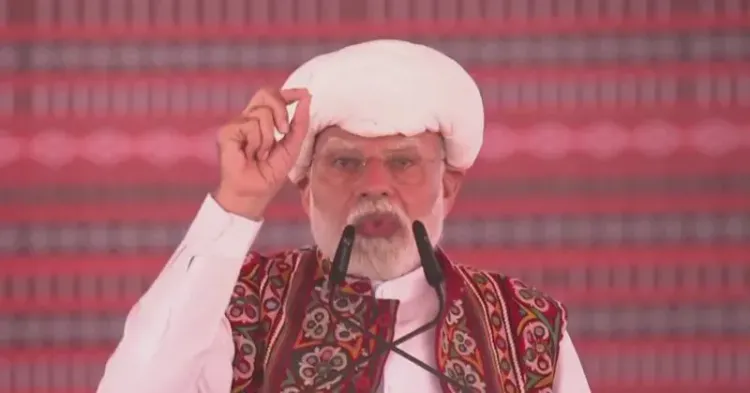
A district that built its identity on milk and mustard fields is now being held up as a model for rural transformation. On Friday, 30 October 2026, Prime Minister Narendra Modi turned the national spotlight on Banaskantha, the northern Gujarat district, saluting its progress across agriculture, dairy, roads, and connectivity.
Banaskantha's twin engines: the farm and the dairy cooperative
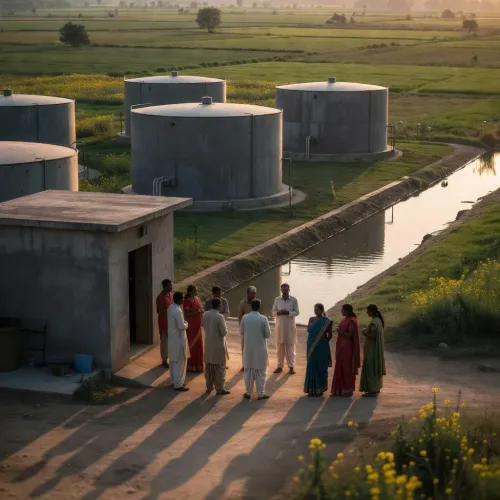
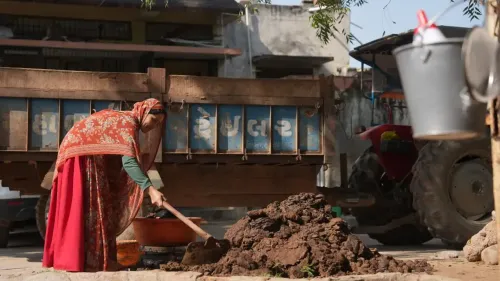
Banaskantha sits at the edge of the Rann of Kutch and has long been one of Gujarat's most agriculturally significant districts. Its farmers cultivate potato, castor, fennel, and wheat across rain-fed and irrigated land, while its dairy sector is anchored by the Banas Dairy cooperative — one of the largest milk-processing cooperatives in Asia. The cooperative has historically been central to the rural economy of the region, channelling income directly to tens of thousands of farmer-members.
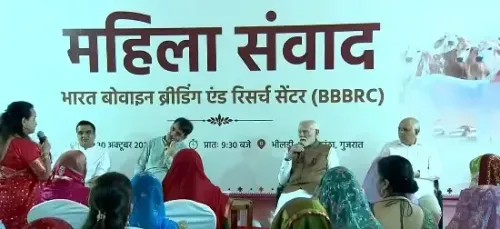
The Prime Minister's post, which linked to a live broadcast, underscored all four pillars — farms, dairy, infrastructure, and connectivity — as interlocking drivers of development rather than isolated wins.
Infrastructure and connectivity: the missing piece filling in
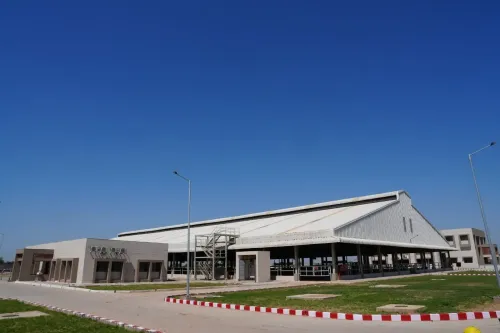
For decades, Banaskantha's distance from major urban centres was an economic drag. Better road connectivity and logistics infrastructure have been recurring demands from local producers who needed faster, cheaper routes to markets. Modi's emphasis on these two pillars signals that physical infrastructure — highways, rural roads, digital connectivity — is now being positioned as the binding agent that multiplies the returns from agricultural and dairy investment.
The framing is consistent with a broader BJP governance narrative that pairs rural livelihood programmes with hard infrastructure upgrades, treating them as a single rural-growth package rather than separate line items.
Why a district-level callout carries political weight
A Prime Ministerial post that names a specific district — rather than a state or a national scheme — is a deliberate signal. It tells local administrators, cooperatives, and voters that district-level outcomes are being watched from the top. For Banaskantha, a region that has seen both BJP stronghold status and competitive electoral contests, the attention carries both governance intent and political resonance.
The broadcast link attached to the post suggests an audio-visual dimension — likely a programme or interaction with stakeholders on the ground — though the specific content of that broadcast falls outside verifiable records.
If Banaskantha's trajectory holds, it could emerge as a replicable template for how semi-arid, agriculture-dependent districts can layer dairy income, infrastructure investment, and connectivity to climb up the development ladder — one cooperative at a time.
Point of View
Ground-level wins to reinforce the party's rural governance credentials. By naming farms, dairy, infrastructure, and connectivity together, the framing is not just about one district — it is a pitch for an integrated rural-development model ahead of potential electoral cycles in Gujarat. The Banas Dairy cooperative's economic heft gives the narrative concrete weight, making it harder to dismiss as mere optics. The real test will be whether follow-up announcements back the rhetoric with measurable, on-ground investment figures.
NationPress
30 Oct 2026
Frequently Asked Questions
What is Banaskantha known for in Gujarat?
Banaskantha is a district in northern Gujarat known for its agriculture — particularly potato, castor, and wheat — and for housing Banas Dairy, one of Asia's largest milk-processing cooperatives. It plays a significant role in Gujarat's rural economy.
What did PM Modi say about Banaskantha?
PM Modi posted on X on 30 October 2026 that Banaskantha is 'making new strides in development' across farms, dairy, infrastructure, and connectivity, linking to a broadcast on the subject.
What is Banas Dairy and why is it important?
Banas Dairy is a large milk-processing cooperative based in Banaskantha, Gujarat, and is considered one of the biggest of its kind in Asia. It channels dairy income directly to farmer-members and is central to the district's rural economy.
Why is infrastructure important for Banaskantha's development?
Banaskantha's distance from major urban centres has historically limited market access for local farmers and dairy producers. Better road connectivity and logistics infrastructure help reduce costs, speed up supply chains, and multiply the returns from agricultural investment.
Is Banaskantha a BJP stronghold in Gujarat?
Banaskantha has been a significant electoral district in Gujarat, with BJP maintaining a strong presence, though it has also seen competitive contests. Prime Ministerial attention to the district reflects both governance priorities and political significance.