CM Sawant Backs ₹5,070 Cr Floating Solar Scheme PM-SSY
Synopsis
The Union Cabinet approved the Pradhan Mantri Surya Sarovar Yojana on 31 July 2026, allocating ₹5,070 crore to develop 5,000 MW of floating solar with storage. Goa CM Pramod Sawant welcomed the scheme as a step toward Viksit Bharat 2047 and India's clean energy transition.
Key Takeaways
The Union Cabinet approved the Pradhan Mantri Surya Sarovar Yojana (PM-SSY) on 31 July 2026 .
Total outlay is ₹5,070 crore to develop 5,000 MW of floating solar photovoltaic capacity.
Projects will be integrated with energy storage systems to ensure grid stability and dispatchability.
The scheme advances India's pledge of 500 GW non-fossil fuel capacity by 2030 and net-zero by 2070 .
Floating solar on reservoirs addresses India's land-scarcity constraint while reducing water evaporation.
Goa CM Pramod Sawant endorsed the scheme as aligned with the Viksit Bharat 2047 vision.
India's clean energy ambition just got a significant boost. The Union Cabinet, on 31 July 2026, approved the Pradhan Mantri Surya Sarovar Yojana (PM-SSY) — a ₹5,070 crore scheme targeting 5,000 MW of floating solar photovoltaic capacity integrated with energy storage systems. Goa Chief Minister Pramod Sawant was among the first state leaders to publicly welcome the decision.
Welcoming the Cabinet's move, CM Sawant called PM-SSY 'a transformative initiative towards a greener, self-reliant, and energy-secure India,' framing it squarely within Prime Minister Narendra Modi's Viksit Bharat 2047 vision. His endorsement follows a well-established pattern of BJP-governed states rallying behind central renewable energy announcements — but the scheme itself carries substance worth examining.
Floating Solar: India's Answer to a Land-Hungry Problem
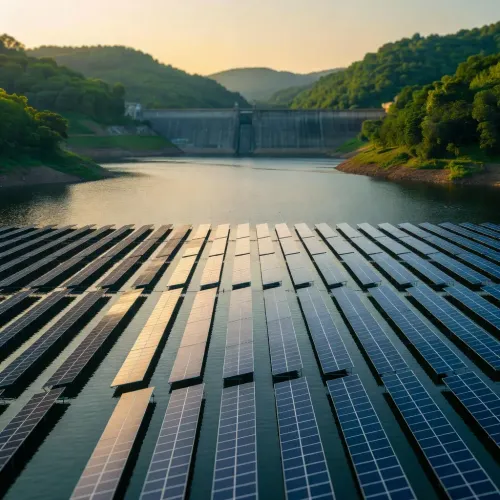
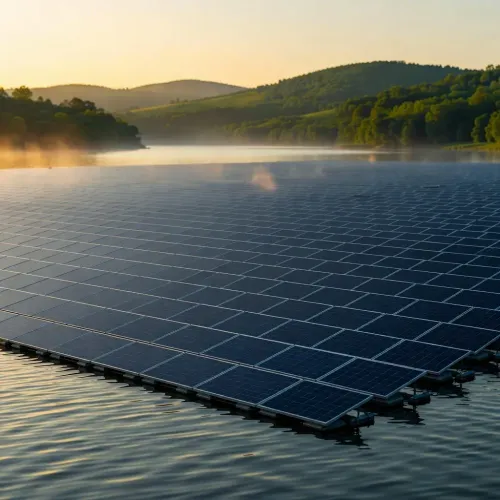
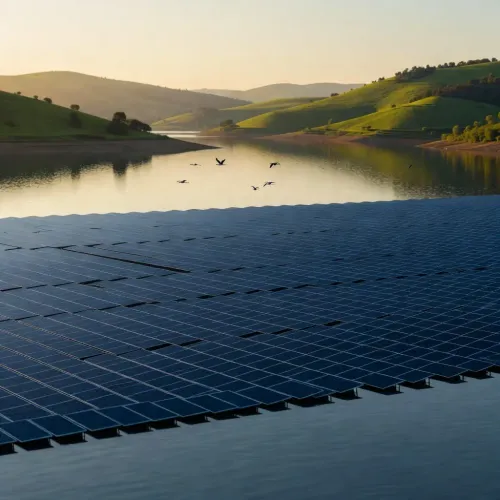
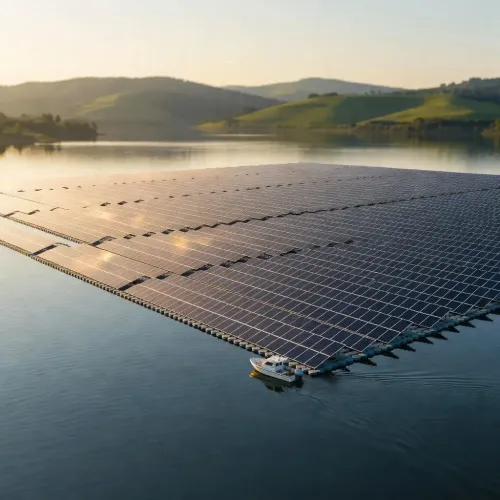
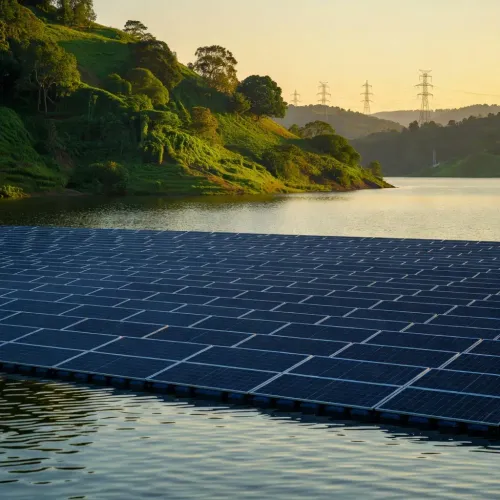
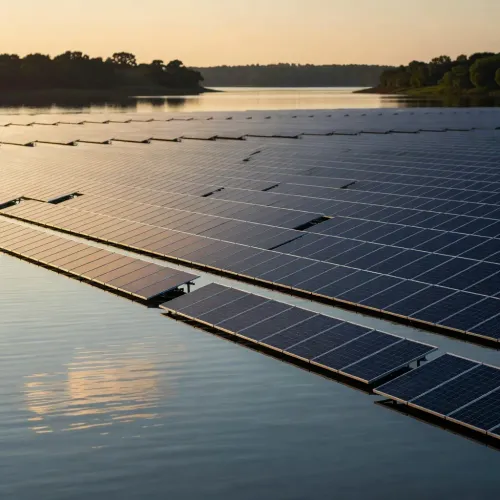
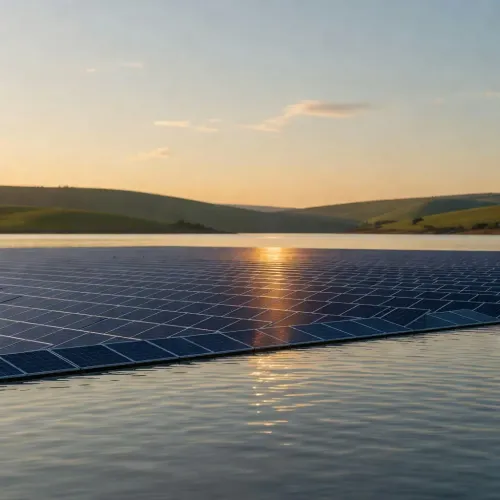
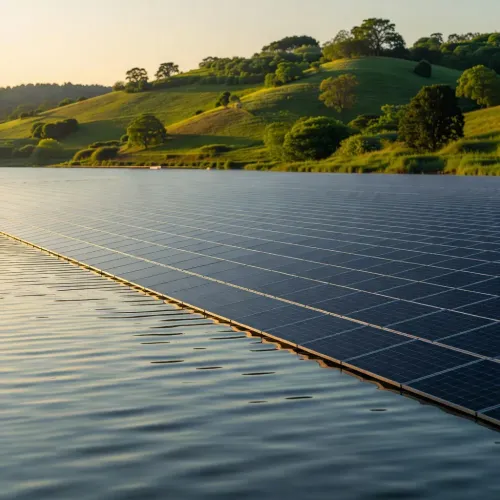
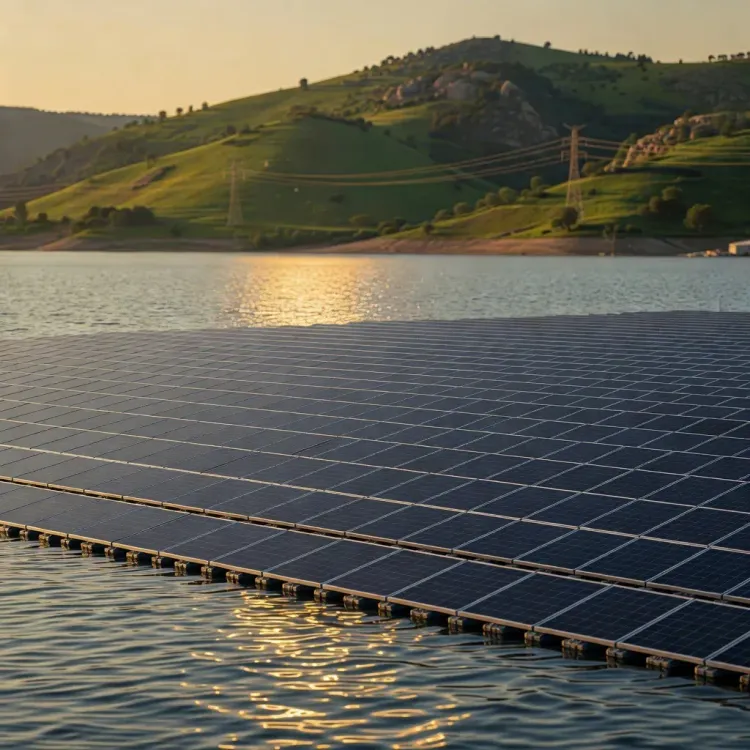
Conventional utility-scale solar demands enormous tracts of land — a resource India's densely populated states can rarely spare. Floating solar, mounted on reservoirs and water bodies, sidesteps that constraint entirely. It also reduces water evaporation from reservoirs and keeps panels cooler, improving efficiency. The integration of energy storage systems under PM-SSY addresses a long-standing grid-stability challenge: solar power is abundant by day and absent at night. Storage bridges that gap, making the electricity dispatchable and reliable.Where PM-SSY Sits in India's Renewable Roadmap
India's solar push has deep roots. The National Solar Mission, launched in 2010, set the country on a grid-connected solar expansion path that has since scaled dramatically. At COP26 in Glasgow in 2021, India pledged to build 500 GW of non-fossil fuel capacity by 2030 — a commitment that requires adding renewable gigawatts at pace. PM-SSY's 5,000 MW target, backed by dedicated central funding, is a concrete step toward that 2030 milestone and the longer horizon of net-zero by 2070. State power utilities and private solar developers will be the primary actors in translating Cabinet approval into commissioned megawatts. The tendering process and state-wise project allocations — including whether Goa, with its coastal reservoirs, pursues capacity under the scheme — will be the real test of implementation speed. A Cabinet nod and ₹5,070 crore are the starting gun. The watts on the water are what will count.Point of View
Moving beyond raw capacity additions to address grid reliability — a gap that has long complicated India's solar scale-up. For BJP state governments, endorsing such schemes serves a dual purpose: it aligns them with the Centre's Viksit Bharat narrative and positions them as active participants in India's energy transition ahead of the 2030 targets. The floating solar model, if tendered and commissioned at pace, could become a replicable template for land-constrained states. The real political and policy test will be in the allocation of MW targets across states and whether implementation matches the ambition of the outlay.
NationPress
15 Sept 2026
Frequently Asked Questions
What is Pradhan Mantri Surya Sarovar Yojana?
Pradhan Mantri Surya Sarovar Yojana (PM-SSY) is a central government scheme approved by the Union Cabinet on 31 July 2026, with an outlay of ₹5,070 crore, aimed at developing 5,000 MW of floating solar photovoltaic projects integrated with energy storage systems across India.
What is the total budget of PM-SSY?
The total outlay approved for PM-SSY is ₹5,070 crore, sanctioned by the Union Cabinet under Prime Minister Narendra Modi.
What is floating solar and why is India investing in it?
Floating solar refers to photovoltaic panels installed on water bodies such as reservoirs. India is investing in it because it avoids the need for large tracts of land, reduces water evaporation, and keeps panels cooler for better efficiency — critical advantages for a densely populated country with ambitious renewable energy targets.
How does PM-SSY connect to India's 2030 renewable energy target?
India pledged 500 GW of non-fossil fuel capacity by 2030 at COP26 in Glasgow. PM-SSY's 5,000 MW floating solar target directly contributes to closing that gap, with storage integration ensuring the power is reliable and dispatchable.
Why did Goa CM Pramod Sawant comment on PM-SSY?
As a BJP chief minister, Pramod Sawant welcomed the Union Cabinet's decision as part of the broader Viksit Bharat 2047 vision, reflecting standard support from BJP-governed states for central renewable energy policy announcements.