CM Bhupendra Patel Hails GIFT City as Asia-Pacific's Newest MCR2030 Hub
Synopsis
GIFT City has become India's first and Asia-Pacific's newest MCR2030 Resilience Hub, recognised by the UNDRR for its disaster preparedness frameworks and green infrastructure. Gujarat CM Bhupendra Patel announced the milestone on 18 November 2026, calling it a validation of PM Modi's original vision for the Gandhinagar-based smart city project conceived in 2007.
Key Takeaways
GIFT City has been designated India's first and Asia-Pacific's newest MCR2030 Resilience Hub by the UNDRR .
The designation makes GIFT City a formal centre for peer learning and technical collaboration on urban disaster risk with cities across India and the Asia-Pacific region .
GIFT City was originally conceived in 2007 under then-Chief Minister Narendra Modi as India's first greenfield smart city near Gandhinagar, Gujarat .
The recognition is backed by a Resilience Action Plan encompassing disaster preparedness frameworks, real-time early-warning systems, and green infrastructure.
Gujarat CM Bhupendra Patel linked the achievement to the national mission of Viksit Gujarat and Viksit Bharat .
Other Indian cities may now use GIFT City's model as a domestic template to pursue their own MCR2030 designations.
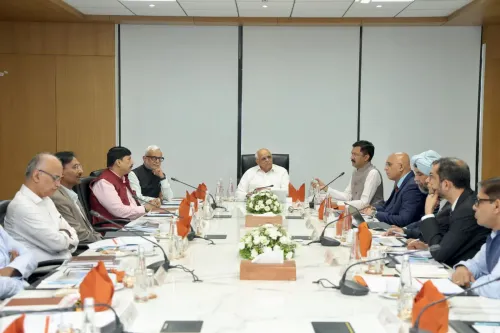
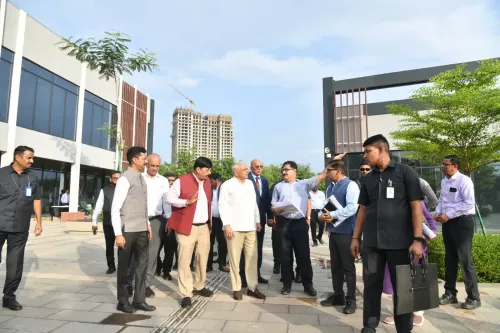
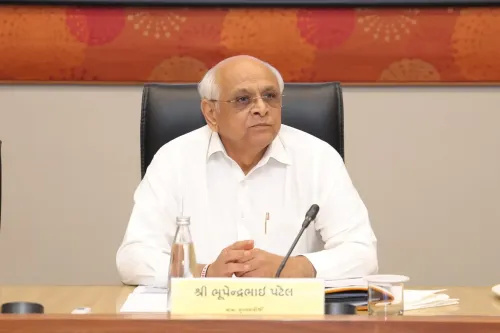
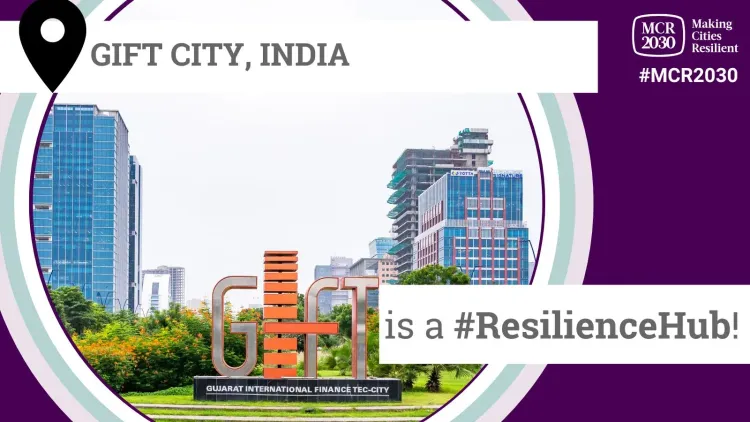
A planned city born from an ambition to rewrite India's urban story has just earned its most consequential international credential yet. Gujarat Chief Minister Bhupendra Patel on Wednesday, 18 November 2026 announced that GIFT City has been recognised by the United Nations Office for Disaster Risk Reduction (UNDRR) as India's first — and the Asia-Pacific region's newest — Making Cities Resilient 2030 (MCR2030) Resilience Hub.
What the MCR2030 Resilience Hub designation actually means
The MCR2030 initiative is a global UNDRR programme that helps cities embed disaster risk reduction into everyday urban planning. A Resilience Hub designation is a step beyond participation — it marks a city as a certified centre for peer learning, technical collaboration, and the export of best practices to other cities navigating climate and disaster risk. For GIFT City, this means it now carries a formal mandate to work with urban governments across India and the Asia-Pacific region, sharing frameworks rather than just showcasing them.
CM Patel credited the recognition to a comprehensive Resilience Action Plan underpinning the city — a framework that, according to his post, includes multi-level disaster preparedness systems, real-time early-warning infrastructure, and green urban design built to international standards.
From a 2007 vision on the Sabarmati to a global benchmark
GIFT City — Gujarat International Finance Tec-City — was conceived in 2007 under then Gujarat Chief Minister Narendra Modi as India's first greenfield smart city project, sited near Gandhinagar. The ambition was explicit from the start: build a planned financial and business district that could stand alongside Singapore, Dubai, and Shanghai as a next-generation urban model. That origin story gives the UNDRR recognition its political weight — Prime Minister Modi is now being credited, by CM Patel, with the 'visionary leadership' that made the city's international validation possible.
India's broader urban resilience push sits inside the architecture of the Sendai Framework for Disaster Risk Reduction 2015-2030, a global commitment to substantially reduce disaster risk and losses. GIFT City's designation is a rare instance of an Indian urban project graduating from a national policy objective to a regional knowledge hub under that framework.
GIFT City as a replicable model — and what comes next
The significance of the 'replicable model' language in CM Patel's announcement should not be understated. India has scores of cities pursuing smart-city and climate-resilience credentials; a UNDRR-endorsed hub now gives urban planners across the country a domestic reference point rather than a distant international one. Other Indian cities are likely to pursue MCR2030 designations, using GIFT City's Resilience Action Plan as a template.
CM Patel framed the recognition explicitly within the dual national mission of 'Viksit Gujarat aur Viksit Bharat' — a Developed Gujarat and a Developed India — signalling that Gujarat intends this achievement to anchor its identity as the state leading India's sustainable urbanisation story.
A city conceived on paper nearly two decades ago is now the reference address for disaster-resilient urban development across an entire region. The next question is whether the frameworks it exports prove as durable as the ambition that built it.
Point of View
The UNDRR stamp provides credible third-party validation of a flagship project that has always carried strong political symbolism tied to PM Modi's legacy. More broadly, it marks a maturation of India's approach to disaster risk governance: rather than simply complying with international frameworks like the Sendai Framework, India is now positioned to export implementation expertise. The designation also intensifies pressure on other state governments to accelerate their own urban resilience credentials, potentially catalysing a competitive dynamic that could benefit India's overall climate-adaptation infrastructure.
NationPress
18 Nov 2026
Frequently Asked Questions
What is the MCR2030 Resilience Hub designation given to GIFT City?
The MCR2030 Resilience Hub is a formal recognition by the UNDRR under its Making Cities Resilient 2030 initiative, designating GIFT City as a certified centre for sharing urban disaster risk reduction practices with cities across India and the Asia-Pacific region.
What is GIFT City and where is it located?
GIFT City, or Gujarat International Finance Tec-City, is India's first greenfield smart city and planned financial hub, located near Gandhinagar in Gujarat. It was conceived in 2007 under then-Chief Minister Narendra Modi.
What is the UNDRR and why does its recognition matter?
The UNDRR is the United Nations Office for Disaster Risk Reduction, the global body that coordinates disaster risk reduction efforts including the Sendai Framework. Its recognition signals that GIFT City meets internationally benchmarked standards for urban resilience.
How does GIFT City's MCR2030 status benefit other Indian cities?
As a Resilience Hub, GIFT City is now mandated to share its Resilience Action Plan, disaster preparedness frameworks, and early-warning systems with other cities, offering a domestic model they can adapt to pursue their own MCR2030 designations.
What is Viksit Bharat and how does GIFT City's recognition connect to it?
Viksit Bharat, meaning Developed India, is the Modi government's long-term national development vision. Gujarat CM Bhupendra Patel explicitly linked GIFT City's international recognition to advancing this goal through safe, climate-resilient, and future-ready urbanisation.