CM Conrad Sangma Reviews SRWP Progress Across Meghalaya
Synopsis
Chief Minister Conrad Sangma chaired a progress review of Meghalaya's Special Rural Works Programme on November 18, 2026, scrutinising project implementation timelines and execution across the state's hilly, remote rural districts.
Key Takeaways
CM Conrad Sangma reviewed progress under the Special Rural Works Programme (SRWP) on November 18, 2026 .
The SRWP is a state-level Meghalaya initiative funding rural infrastructure and development works in hilly and remote areas.
The review focused on implementation pace and ensuring timely execution of development projects across all districts.
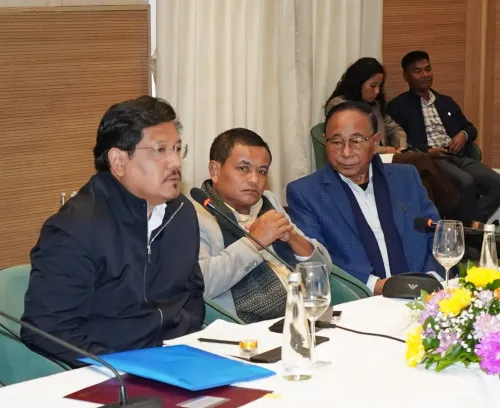
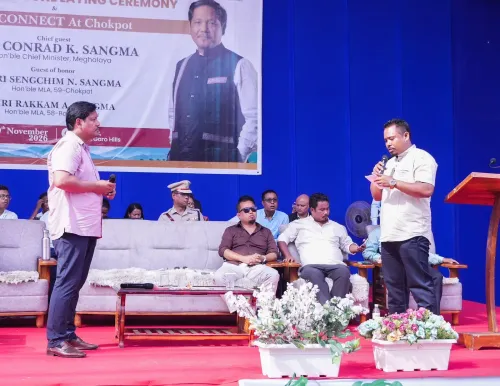
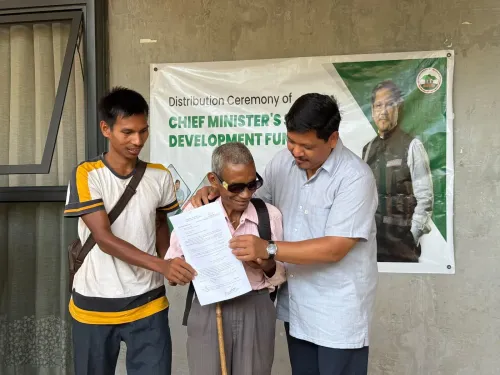
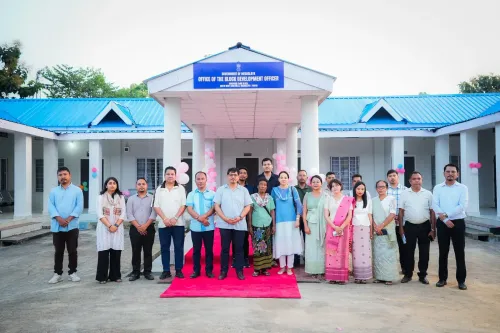
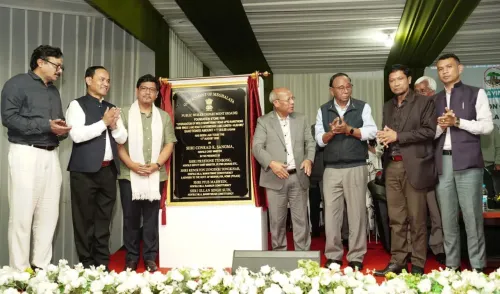
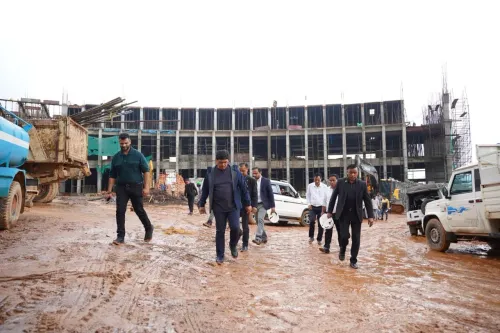
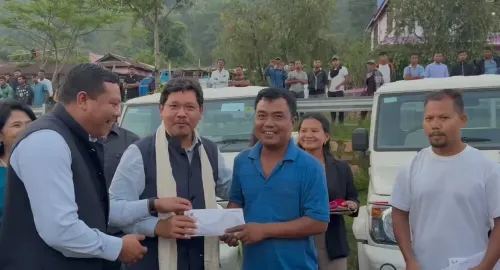
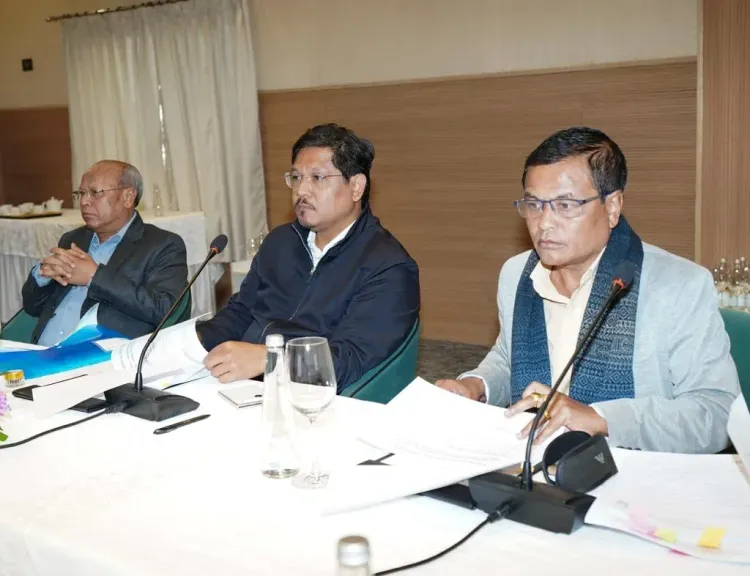
Four images released alongside the post showed officials in a working-level review session with project documents.
Subsequent SRWP completion-rate data and any Meghalaya Assembly debate on the programme are the key indicators to monitor.
Rural development in Meghalaya's hills and remote valleys got a close-up audit on Wednesday, November 18, 2026, as Meghalaya Chief Minister Conrad Sangma convened a review of ongoing works under the Special Rural Works Programme (SRWP), pressing officials on implementation timelines and ground-level execution.
What the SRWP review covered
Sangma described the session as taking 'stock of implementation and ensuring timely execution of development works across the State.' The SRWP is a Meghalaya state-level initiative specifically designed to fund rural infrastructure — from connectivity roads and drainage to basic amenities — in areas where hilly terrain and dispersed tribal settlements make delivery expensive and logistically complex. Four images shared alongside the post showed officials gathered around project documents and site data, signalling a working-level, not ceremonial, session.
Why these reviews matter in Meghalaya's development picture
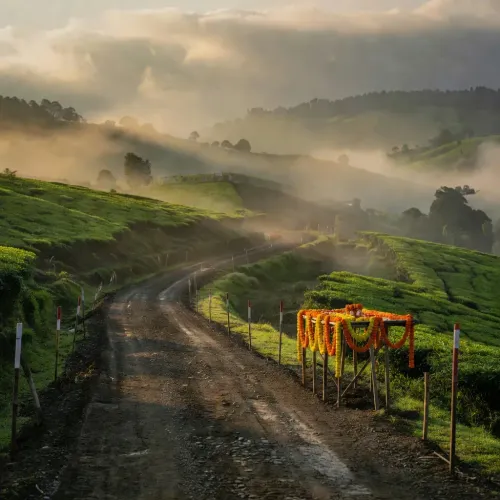
Meghalaya carries one of Northeast India's most challenging rural-infrastructure profiles: a predominantly rural and tribal population spread across difficult highland geography, where project delays compound quickly into years-long service gaps. State governments here have historically leaned on targeted rural works programmes precisely because national schemes often need local supplementation to reach the last mile. Regular implementation reviews — checking spend rates, contractor performance, and district-level bottlenecks — are the principal lever a Chief Minister holds to convert budgeted allocations into completed assets on the ground.
NPP's governance track and what to watch next
For Sangma's NPP-led coalition, consistent administrative oversight of schemes like the SRWP forms a core part of the government's visible governance narrative — particularly important in a state where rural voters judge performance on tangible infrastructure outcomes. The next indicator to watch is any state government release on SRWP project completion rates, or debate in the Meghalaya Legislative Assembly that probes the programme's expenditure pace and deliverables.
When a Chief Minister personally chairs a progress review, the bureaucracy takes note — the real test is whether today's audit translates into tomorrow's completed roads and community assets.
Point of View
The SRWP serves a dual function: a development delivery mechanism and a political proof-point in rural constituencies that decide Northeast assembly outcomes. Consistent administrative oversight also strengthens the NPP's argument that coalition governance in Meghalaya is functional and results-oriented — a contrast it draws against the instability of earlier administrations. The real test, as always in Northeast rural development, is whether review-room pressure translates into scheme completion on the ground before the next electoral cycle.
NationPress
18 Nov 2026
Frequently Asked Questions
What is the Special Rural Works Programme in Meghalaya?
The Special Rural Works Programme (SRWP) is a state-level initiative in Meghalaya that funds rural infrastructure and development works — including connectivity, drainage, and basic amenities — particularly in hilly and remote tribal areas.
Why did Conrad Sangma review SRWP progress?
Meghalaya CM Conrad Sangma convened the review to take stock of implementation status and ensure timely execution of development works across the state, a standard part of executive oversight of state-funded schemes.
What party does Conrad Sangma lead in Meghalaya?
Conrad Sangma is the Chief Minister of Meghalaya and national president of the National People's Party (NPP), which leads the state's coalition government.
What are the key rural development challenges in Meghalaya?
Meghalaya faces significant rural development challenges including hilly terrain, dispersed tribal settlements, and logistical complexity that often cause delays in infrastructure delivery and require state-specific programmes like the SRWP.
What should we watch after the SRWP review?
Key indicators to follow include official state government releases on SRWP project completion rates and any related discussions or debates in the Meghalaya Legislative Assembly scrutinising the programme's expenditure and outcomes.