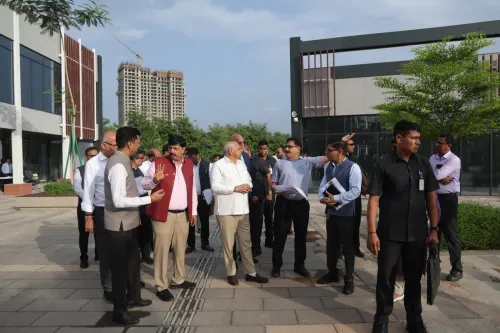
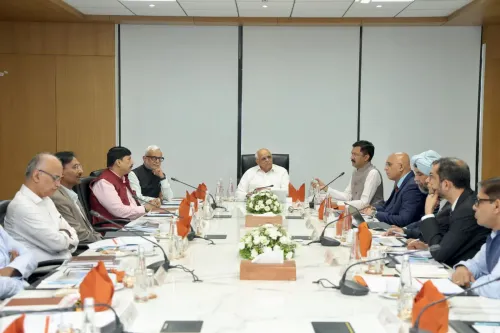
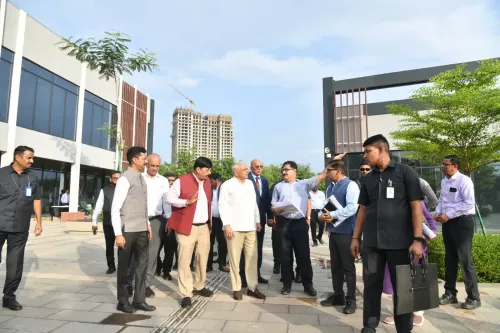
GIFT City becomes India's first UNDRR MCR2030-recognised city
Synopsis
GIFT City near Gandhinagar has become India's first city recognised under UNDRR's Making Cities Resilient 2030 programme, the Gujarat CMO announced on 18 November 2026, citing advanced early-warning systems and climate-smart infrastructure at India's flagship international financial hub.
Key Takeaways
GIFT City is now India's first city recognised under the UNDRR Making Cities Resilient 2030 (MCR2030) programme.
The recognition was announced by the Chief Minister's Office of Gujarat on 18 November 2026 .
MCR2030 commits participating cities to measurable resilience targets under the global Sendai Framework for Disaster Risk Reduction .
GIFT City was originally conceived in 2007 under then Chief Minister Narendra Modi as India's first smart international financial city near Gandhinagar .
Coastal Gujarat's history of cyclone and flood risk has driven sustained investment in early-warning and resilient urban infrastructure.
The designation makes GIFT City a potential template for other Indian cities seeking MCR2030 recognition.
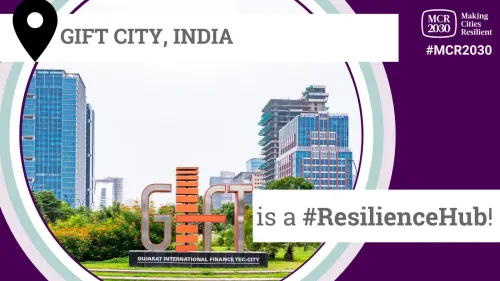
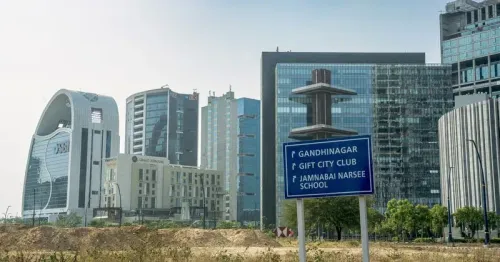
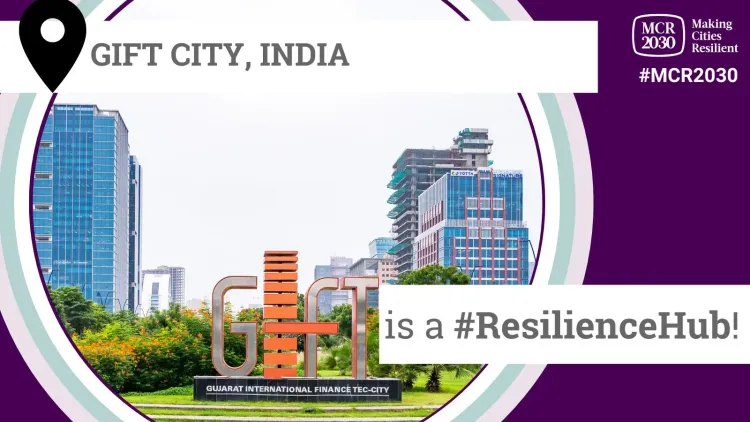
A global stamp of resilience has landed on Gujarat's skyline. GIFT City — Gujarat International Finance Tec-City, India's flagship smart financial hub near Gandhinagar — has been recognised by the United Nations Office for Disaster Risk Reduction (UNDRR) as India's first city under the Making Cities Resilient 2030 (MCR2030) initiative, the Chief Minister's Office of Gujarat announced on Wednesday, 18 November 2026.
What the MCR2030 recognition actually means
MCR2030 is not a ceremonial badge — it is an active global programme run by UNDRR that commits participating cities to measurable targets in disaster preparedness, climate-smart infrastructure, and early-warning systems. The campaign, which evolved from an earlier UNDRR initiative launched in 2010, is now in its second phase running through 2030, aligning with the broader Sendai Framework for Disaster Risk Reduction. For GIFT City, recognition means it must maintain and report on a structured resilience action plan — placing it alongside a network of cities worldwide held to a common standard.
The CMO's post cited 'advanced early-warning systems, robust disaster preparedness and climate-smart infrastructure' as the pillars behind the designation. Coastal Gujarat has long faced cyclone and flood risk, making early-warning investment both a policy priority and a practical necessity for any large-scale urban project in the state.
GIFT City's journey from 2007 blueprint to global benchmark
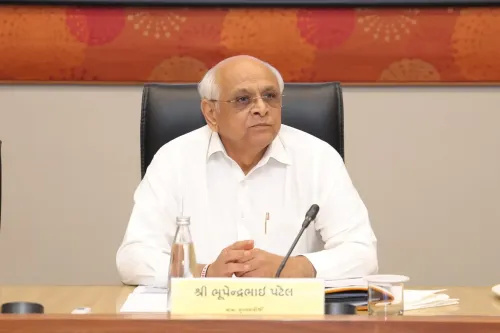
GIFT City was conceived in 2007 under Narendra Modi during his tenure as Chief Minister of Gujarat, with the ambition of creating a world-class International Financial Services Centre on Indian soil. It became operational as India's first IFSC and smart city, home to global banking, insurance, and capital-markets entities operating under a distinct regulatory framework. That origin story matters: the same political lineage that launched the project now claims credit for its global resilience certification, with the CMO attributing the milestone to the 'visionary leadership' of Prime Minister Narendra Modi and the guidance of Chief Minister Bhupendra Patel.
India has woven disaster-risk reduction into urban development through frameworks like the Smart Cities Mission launched in 2015. GIFT City's MCR2030 status now gives that national pattern its most high-profile international validation — a financial hub doubling as a resilience model.
What to watch next at GIFT City and beyond
The real test of the recognition will come in the rollout of GIFT City's MCR2030 action plan — the specific, time-bound commitments on early-warning coverage, infrastructure upgrades, and community preparedness that UNDRR requires of member cities. Watchers of India's urban-climate agenda will also track whether central or state budget allocations follow, and whether additional Indian cities enter the MCR2030 programme, using GIFT City's template as a replicable model.
India's first financial smart city earning a UN resilience mark is not just a local trophy — it signals that climate-proofing infrastructure is now part of the pitch India makes to global capital. That is a calculation every city with international ambitions will now have to make.
Point of View
The recognition sets a precedent that flagship projects must now clear an international resilience bar, potentially reshaping how Smart Cities Mission successors are designed and benchmarked.
NationPress
18 Nov 2026
Frequently Asked Questions
What is MCR2030 and why does it matter for Indian cities?
MCR2030 — Making Cities Resilient 2030 — is a UNDRR programme that commits member cities to structured, measurable disaster-risk and climate-resilience targets through 2030, aligned with the global Sendai Framework. It matters because recognition requires ongoing reporting and investment in early-warning, infrastructure, and preparedness, not just a one-time certification.
Which city is India's first MCR2030-recognised city?
GIFT City — Gujarat International Finance Tec-City near Gandhinagar — is India's first city recognised under the UNDRR Making Cities Resilient 2030 programme, as announced by the Chief Minister's Office of Gujarat on 18 November 2026.
Who founded GIFT City and when?
GIFT City was conceived in 2007 under Narendra Modi during his tenure as Chief Minister of Gujarat, with the goal of creating India's first operational smart city and International Financial Services Centre.
What does GIFT City's climate-resilience infrastructure include?
According to the Gujarat CMO's announcement, GIFT City's resilience infrastructure includes advanced early-warning systems and climate-smart urban design built to withstand disaster risks — a priority for coastal Gujarat given its exposure to cyclones and floods.
Will other Indian cities follow GIFT City into the MCR2030 programme?
UNDRR's MCR2030 is an open programme, and GIFT City's recognition is expected to serve as a template. The key variables are whether India's central and state budgets allocate funds for resilience upgrades in other cities, and whether the Smart Cities Mission or its successors formally adopt MCR2030 targets.