CM Fadnavis Cabinet Clears Textile Policy Reforms in Maharashtra
Synopsis
The Chief Minister's Office of Maharashtra announced on 18 November 2026 that CM Devendra Fadnavis's cabinet has approved reforms to the state's textile policy, targeting powerloom clusters, MSME garment units, and textile manufacturers in a bid to sharpen the state's industrial competitiveness.
Key Takeaways
The Maharashtra cabinet approved revisions to the state's textile policy on 18 November 2026 .
Chief Minister Devendra Fadnavis led the cabinet decision, confirmed via the official CMO account on X.
The reforms build on Maharashtra's earlier textile policy adopted in 2018 , updating rather than replacing it.
Key beneficiaries include textile manufacturers, powerloom weavers, and MSME garment units across the state.
Detailed amendments, incentive structures, and implementation guidelines are yet to be released by the textiles department.
The move continues Maharashtra's strategy of sector-specific industrial reforms to stay competitive with Gujarat and Tamil Nadu .
A cabinet decision from Maharashtra is set to reshape the state's textile sector — the Chief Minister's Office of Maharashtra confirmed on Wednesday, 18 November 2026 that the government has approved revisions to the state's textile and garment policy, with Chief Minister Devendra Fadnavis at the helm of the decision.
The CMO posted in Marathi — 'वस्त्रोद्योग धोरणात सुधारणा' ('reforms in textile policy') — a pointed, two-word announcement that signals a deliberate cabinet-level move rather than a routine administrative update.
Maharashtra's Textile Sector and the Stakes Behind the Decision
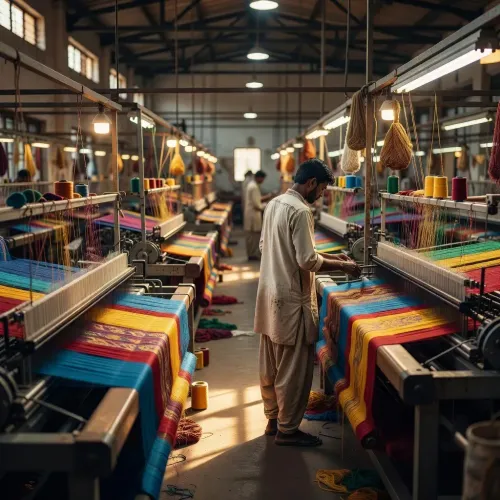
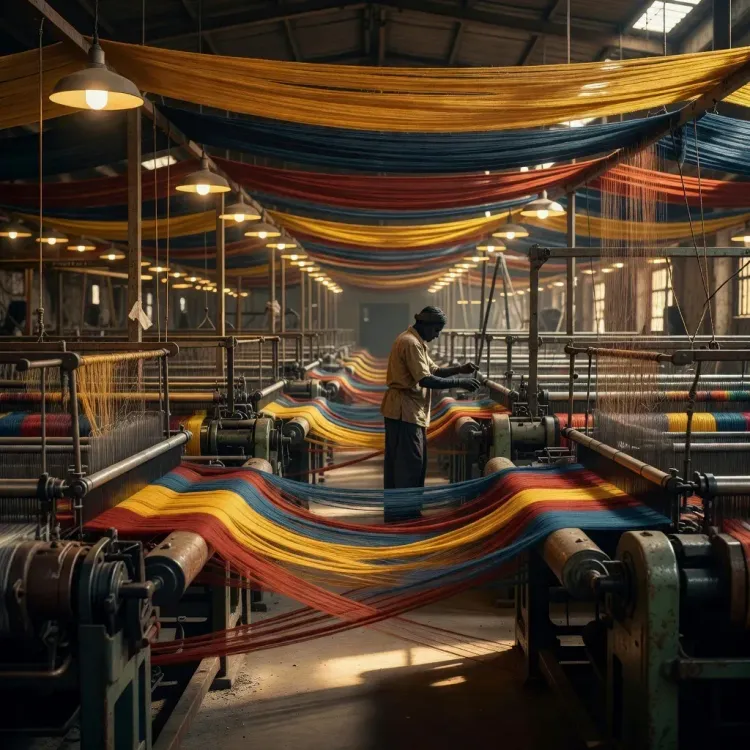
Maharashtra hosts one of India's most significant textile manufacturing bases, spanning powerloom clusters, MSME garment units, and processing hubs spread across regions including Vidarbha, Marathwada, and the Mumbai Metropolitan Region. The sector supports hundreds of thousands of weavers and factory workers, making policy revisions a matter of livelihood as much as industrial strategy. The state had previously anchored its sector ambitions in a dedicated textile policy adopted in 2018, which focused on attracting investment, upgrading powerloom clusters, and generating employment. Wednesday's amendment builds on that framework rather than replacing it wholesale — a targeted course-correction rather than a clean-sheet redesign.Fadnavis's Record of Sector-Specific Industrial Reforms
Successive Fadnavis-led cabinets have pursued a consistent playbook: sector-specific incentive packages, cluster-development funding, and modernisation subsidies aimed at keeping Maharashtra competitive against Gujarat and Tamil Nadu, both of which have aggressively courted textile investment in recent years. The revised policy fits squarely within that pattern — incremental, targeted, and responsive to competitive pressure. The immediate beneficiaries in focus are textile manufacturers, powerloom weavers, and MSME garment units — three constituencies that together represent both economic weight and significant electoral mass in the state.What the Industry Will Be Watching For
The CMO's announcement is a headline; the detail is what matters. Industry stakeholders will now wait on the textiles department to release the full amendment text, covering revised incentive structures, eligibility thresholds for modernisation grants, cluster-development guidelines, and employment-linked subsidy conditions. The specifics will determine whether the reforms deliver a meaningful competitive edge or remain incremental on paper. For a state that has long positioned itself as India's commercial and industrial engine, keeping its textile sector modern and globally competitive is not optional. The cabinet just said it agrees — now the implementation clock starts.Point of View
Sector-specific incentive adjustments rather than sweeping legislative overhauls, designed to hold Maharashtra's ground against aggressively competing states. The timing matters — with national manufacturing goals emphasising domestic textile output, state-level policy alignment with central schemes can unlock additional funding and investor confidence. The real test, however, lies in implementation: past Maharashtra textile policies have been criticised for disbursement delays and cluster-development bottlenecks. Whether this revision addresses those structural gaps, or simply refreshes incentive numbers, will define its actual impact on the powerloom and garment workforce.
NationPress
18 Nov 2026
Frequently Asked Questions
What changes has the Maharashtra government made to its textile policy?
The Maharashtra cabinet approved revisions to the state's textile policy on 18 November 2026. The exact details of the amendments, including revised incentive structures and eligibility criteria, are yet to be officially released by the textiles department.
Who will benefit from Maharashtra's revised textile policy?
The primary beneficiaries are expected to be textile manufacturers, powerloom weavers, and MSME garment units operating across Maharashtra, particularly in clusters in Vidarbha, Marathwada, and the Mumbai region.
What was Maharashtra's previous textile policy?
Maharashtra adopted a dedicated textile policy in 2018 aimed at attracting investment, modernising powerloom clusters, and generating employment in the sector. The 2026 revisions build on this framework.
Why is Maharashtra revising its textile policy now?
Maharashtra faces growing competition from Gujarat and Tamil Nadu for textile investment. Periodic policy revisions are part of the state's strategy to offer competitive incentives for modernisation and cluster development aligned with national manufacturing goals.
What should textile industry stakeholders watch for next?
Stakeholders should watch for the Maharashtra textiles department's release of detailed amendment documents covering updated incentive structures, modernisation grant conditions, cluster-development guidelines, and employment-linked subsidy criteria.