CM Yogi: No Shelter for Criminals, No Space for Terror

Synopsis
Chief Minister Yogi Adityanath reiterates the Uttar Pradesh and Central Government's unified internal-security doctrine: zero immunity for criminals, no opening for terrorists, and no compromise on national security — a stance that has defined his administration since 2017.
Key Takeaways
CM Yogi Adityanath declared on November 18, 2026 that neither criminals nor terrorists will receive shelter or opportunity from the state or central government.
The statement frames internal security as a joint Centre-state policy , not a unilateral UP decision.
The keyword 'abhay' (immunity/sanctuary) has been central to UP's law-and-order vocabulary since the Yogi government took office in 2017 .
Uttar Pradesh Police 's encounter-led enforcement model has been a defining and contested feature of the administration across two terms.
No specific operation, incident, or legislation is cited — the post reaffirms doctrine rather than announcing action.
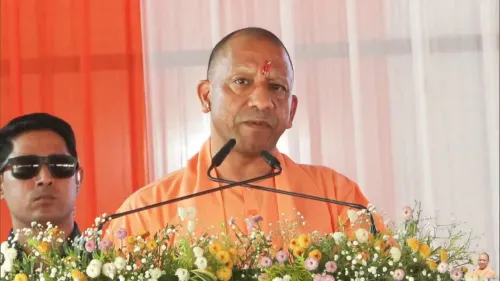
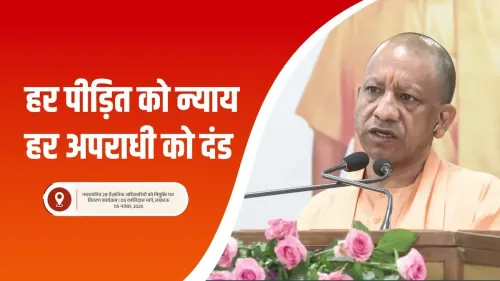
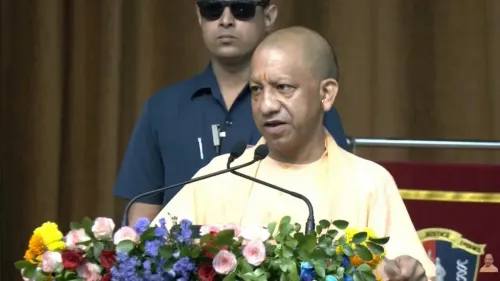
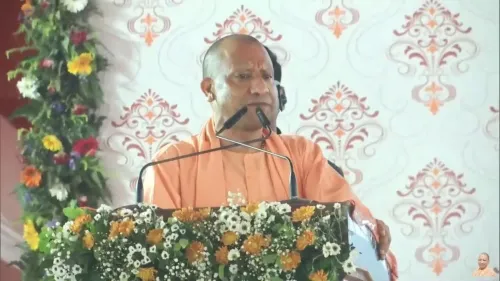
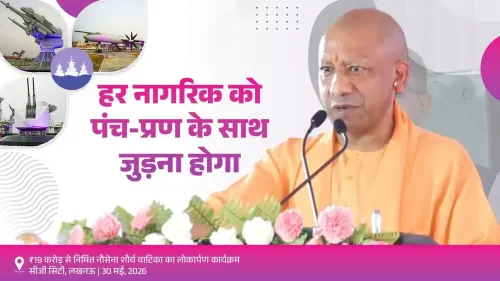
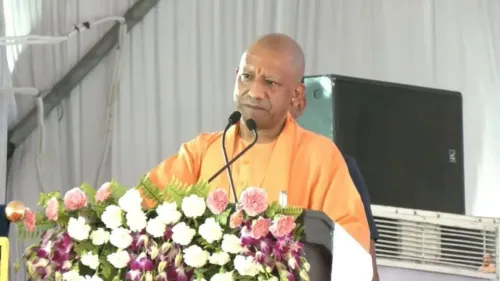
A zero-tolerance declaration — no immunity for criminals, no opening for terrorists, no compromise on national security. The Chief Minister's Office of Uttar Pradesh posted that assertion on Wednesday, November 18, 2026, quoting Chief Minister Yogi Adityanath directly on the state and central government's shared internal-security doctrine.
The original Hindi statement reads: 'न अपराधियों को अभय, न आतंकियों को अवसर और न ही देश की सुरक्षा से कोई समझौता' — 'Neither immunity to criminals, nor opportunity to terrorists, nor any compromise on the security of the nation.' Attributed personally to Yogi Adityanath, the remark underlines a Centre-state consensus framing that deliberately places Uttar Pradesh's approach inside a national security architecture rather than a purely state-level posture.
Seven Years of 'Zero Tolerance' as Governing Philosophy
Since taking office in March 2017, Yogi Adityanath has staked much of his political identity on law and order. The Uttar Pradesh Police's aggressive encounter record and successive crackdowns on organised criminal networks became signature features of his administration — and recurring flashpoints in public debate. The language in today's post — 'no immunity' (abhay) — directly echoes the vocabulary the government has used to defend those actions across two terms.
What is notable here is the deliberate pairing with the Central Government of India. By framing internal security as a joint Centre-state policy rather than a Yogi-only stance, the statement positions Lucknow and New Delhi as a unified front — particularly on counter-terrorism, where the central agencies hold primary jurisdiction.
Why the Phrasing Matters: 'Abhay' as a Policy Signal
In Indian political lexicon, 'abhay' — sanctuary or fearlessness — carries weight. The explicit denial of 'abhay' to criminals signals that no political patronage or institutional protection will shield offenders. For UP's residents and security forces, that is a reiteration of an enforcement-first compact the government has renewed repeatedly since 2017. For critics, it reopens questions about accountability within those operations — though today's statement does not address those concerns. The post states a posture; it does not announce a specific operation or legislation.
Point of View
With no specific trigger named, suggests this is part of a sustained narrative reinforcement rather than a reactive response. For analysts watching UP's political economy, the vocabulary of 'no immunity' consistently precedes visible enforcement pushes — making this worth monitoring for follow-on action.
NationPress
18 Nov 2026
Frequently Asked Questions
What did CM Yogi Adityanath say about internal security?
CM Yogi Adityanath stated that neither criminals will receive immunity, nor terrorists an opportunity, nor will there be any compromise on national security — framing this as a joint Centre and UP government policy.
What is Uttar Pradesh's law and order policy under Yogi Adityanath?
Since 2017, the Yogi Adityanath government has pursued a strict zero-tolerance approach, including police encounter operations and crackdowns on organised criminal networks, backed by central government alignment on counter-terrorism.
What does 'abhay' mean in CM Yogi's security statement?
'Abhay' means immunity or sanctuary in Hindi. By denying 'abhay' to criminals, the CM signals that no political protection or institutional shelter will be extended to offenders under his government.
Is the UP government's security policy separate from the Central Government?
No — CM Yogi's statement explicitly frames internal security as a shared Centre-state policy, positioning Uttar Pradesh's enforcement model as aligned with the national government's anti-crime and anti-terrorism priorities.
Did CM Yogi announce any specific operation or new law in this statement?
No specific operation, incident, or legislation was announced. The post reaffirms an existing governing doctrine on internal security rather than declaring any new action.