Rijiju Marks Janjatiya Gaurav Diwas, Cites Tribal Village Progress
Synopsis
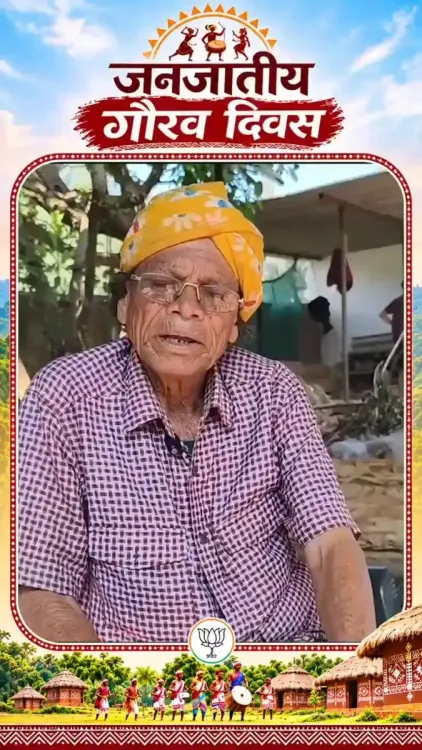
On Janjatiya Gaurav Diwas, Union Minister Kiren Rijiju says tribal villages across India are receiving roads, schools, and housing under PM Modi, declaring that communities 'deprived for decades' are now joining the development mainstream.
Key Takeaways
Union Minister Kiren Rijiju posted on 18 November 2026 marking Janjatiya Gaurav Diwas .
He cited delivery of roads, education, pucca housing, and basic services to tribal villages under PM Narendra Modi 's leadership.
Janjatiya Gaurav Diwas is observed on 15 November , the birth anniversary of tribal icon Birsa Munda , and was instituted in 2021 .
The minister stated that tribal communities — 'deprived for decades' — are now connecting with India's development mainstream.
Rijiju framed the narrative as one tribal communities themselves are now telling, signalling a beneficiary-led storytelling strategy.
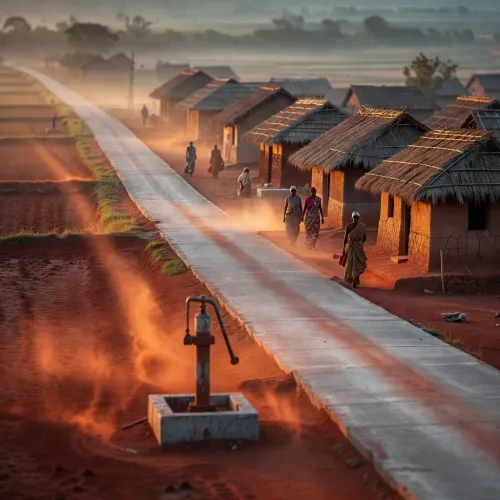
Roads reaching villages that waited decades. Schools where there were none. Pucca houses replacing mud walls. On Janjatiya Gaurav Diwas, Union Parliamentary Affairs and Minority Affairs Minister Kiren Rijiju declared on Wednesday, 18 November 2026 that tribal communities across India are finally joining the development mainstream — and that they themselves are now telling that story.
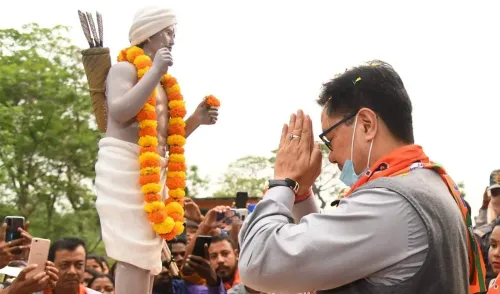
Rijiju posted in Hindi, writing: 'Ab janjatiya gaanvon tak pahunch rahi hain vikas ki rahein!' — 'Development's pathways are now reaching tribal villages!' He credited Prime Minister Narendra Modi's leadership for delivering roads, education, permanent housing, and other basic infrastructure to tribal populations settled across different parts of the country. 'The tribal society, deprived for decades, is today becoming empowered and connecting with the mainstream of development,' he wrote, adding that tribal communities themselves are now narrating this change.
What Janjatiya Gaurav Diwas Marks — and Why It Was Created
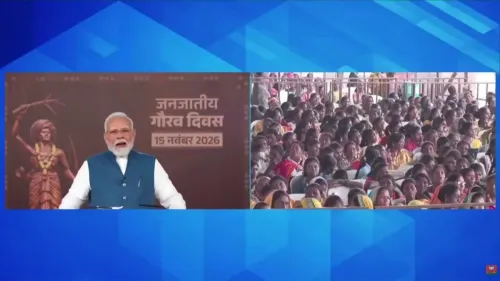
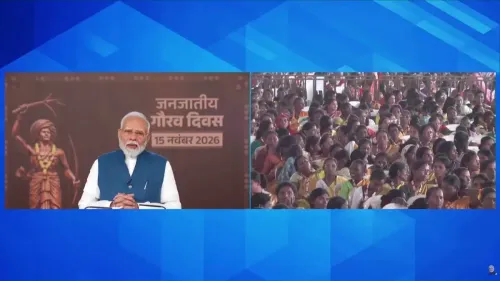
Janjatiya Gaurav Diwas falls on 15 November every year — the birth anniversary of Birsa Munda, the revered tribal freedom fighter and folk hero from Jharkhand who led the Ulgulan uprising against colonial rule. The central government instituted the observance in 2021 to formally recognise tribal communities' historical contributions to India and to anchor a national conversation around their welfare.
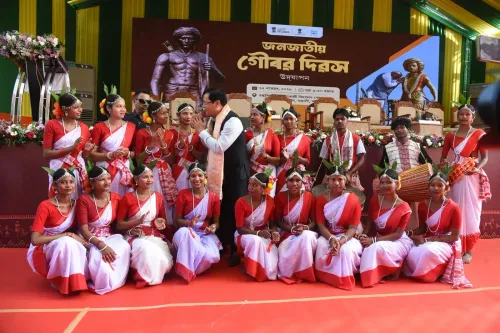
The date has since become an annual touchstone for ministerial statements, scheme reviews, and ground-level tribal welfare events held by the BJP-led government. Rijiju's post, tagged #JanjatiyaGauravDiwas, fits squarely into that tradition — with the minister amplifying the government's narrative that decades of neglect are actively being reversed.
The Decades-Long Infrastructure Gap Rijiju Is Referencing
India's Scheduled Tribe population has historically faced sharp deficits in road connectivity, formal schooling, and durable housing — challenges rooted in geography, colonial-era exclusion, and uneven post-independence delivery. Successive governments have run targeted programmes to bridge these gaps, but progress has been uneven across states and terrains.
The current administration has consistently framed its tribal welfare push as a structural shift: not charity, but integration. Rijiju's post echoes that framing precisely — the emphasis on tribal communities themselves speaking about the change signals an intent to position beneficiaries as active participants, not passive recipients.
As India's tribal regions watch how welfare allocations translate from parliamentary budgets into village-level reality, Janjatiya Gaurav Diwas has become the government's annual report card — and Rijiju's message is clear: the grades, he says, are finally improving.
Point of View
Chhattisgarh, Madhya Pradesh, and Rajasthan, all with large Scheduled Tribe populations. By anchoring the message to Janjatiya Gaurav Diwas, the government ties welfare delivery to cultural pride, making the annual observance double as a political communication event. The emphasis on tribal communities 'telling their own story' is a deliberate pivot from top-down beneficiary narratives toward grassroots validation — harder to dispute and more persuasive on the ground. How much of the infrastructure rhetoric has translated into measurable outcomes across states remains the pointed question that opposition parties and welfare researchers will keep pressing.
NationPress
18 Nov 2026
Frequently Asked Questions
What is Janjatiya Gaurav Diwas and when is it celebrated?
Janjatiya Gaurav Diwas is observed on 15 November every year to honour the birth anniversary of tribal freedom fighter Birsa Munda and recognise tribal communities' contributions to India. The central government instituted the observance in 2021 .
What did Kiren Rijiju say on Janjatiya Gaurav Diwas 2026?
Union Minister Kiren Rijiju said that roads, education, pucca housing, and basic services are now reaching tribal villages across India under PM Modi 's leadership, and that tribal communities deprived for decades are now joining the development mainstream.
Who was Birsa Munda?
Birsa Munda was a revered tribal freedom fighter from present-day Jharkhand who led the Ulgulan (Great Tumult) uprising against British colonial rule in the late 19th century. His birth anniversary on 15 November is commemorated as Janjatiya Gaurav Diwas.
What infrastructure is the government providing to tribal villages?
According to Rijiju's post, the current central government is extending roads, schools, permanent (pucca) housing, and other basic services to Scheduled Tribe communities across India, aiming to connect them with the country's development mainstream.
Which ministry does Kiren Rijiju head?
Kiren Rijiju is the Union Minister of Parliamentary Affairs and Minister of Minority Affairs. He is a senior BJP leader and a member of Parliament from Arunachal Pradesh .