CM Uttarakhand: Mahakali Bridge to Boost India-Nepal Trade
Synopsis
A new bridge over the Mahakali River linking Dharchula in Uttarakhand with Darchula in Nepal will strengthen India-Nepal bilateral trade, the Chief Minister's Office of Uttarakhand announced on November 18, 2026, calling it a boost for cross-border commerce in the Himalayan frontier region.
Key Takeaways
The Chief Minister's Office of Uttarakhand announced on November 18, 2026 that a new bridge over the Mahakali River will bolster India-Nepal trade.
The bridge connects Dharchula (Pithoragarh district, Uttarakhand) on the Indian side with Darchula , the far-western Nepal district headquarters, directly across the border.
The Mahakali River — also called the Kali River — forms the natural boundary between India and Nepal in this stretch of terrain.
The project aligns with decades of India-Nepal cross-border connectivity efforts rooted in the India-Nepal Peace and Friendship Treaty of 1950 .
Border traders, transporters, and hill communities of Pithoragarh district are among the primary beneficiaries.
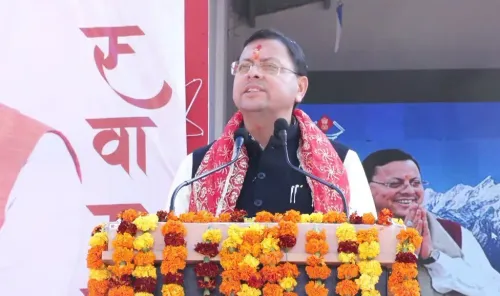
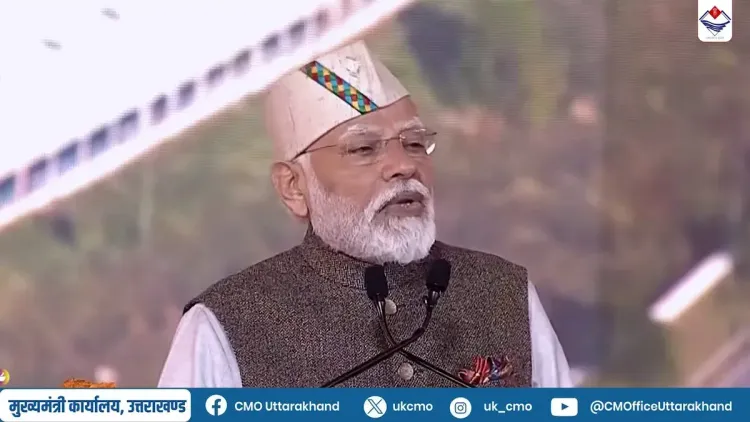
A bridge across the Mahakali River connecting Dharchula in India and Darchula in Nepal is set to transform cross-border commerce in one of the Himalayas' most strategically positioned frontier corridors. The Chief Minister's Office of Uttarakhand announced on Wednesday, November 18, 2026, that the structure will strengthen bilateral trade ties between the two neighbours.
The post, shared in Hindi, states: 'Bharat-Nepal ke madhya vyaparik sambandhon ko majboot karega Dharchula-Darchula ke beech Mahakali nadi par bana pul' — 'The bridge built over the Mahakali River between Dharchula and Darchula will strengthen trade relations between India and Nepal.'Where the Mahakali Draws the Line — and Now Bridges It
The Mahakali River — also known as the Kali River — has long served as the natural boundary between India and Nepal in this stretch of far-western Himalayan terrain. On the Indian side sits Dharchula, a town in Pithoragarh district, Uttarakhand. Directly across the water is Darchula, the district headquarters of Nepal's far-western province. For generations, the river has been both a lifeline and a barrier for communities on either bank.
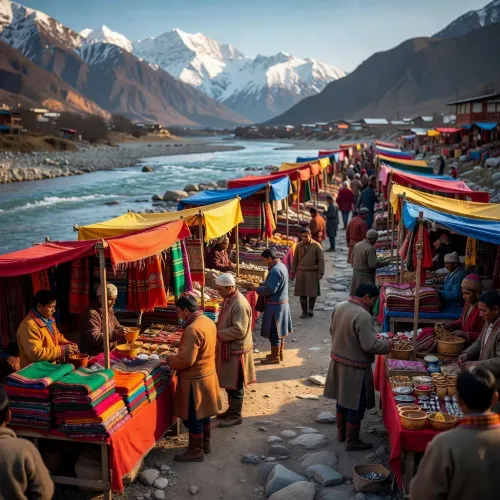
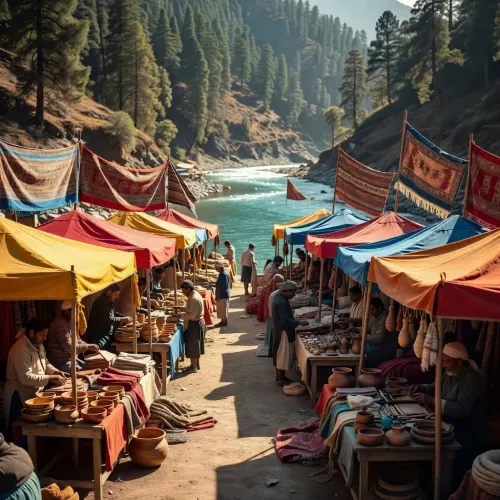
Border traders and residents of Pithoragarh have historically depended on this crossing for the movement of goods, livestock, and people. A permanent, all-weather bridge fundamentally changes that equation — cutting transit time, reducing dependence on seasonal ferries or makeshift crossings, and opening the route to heavier commercial traffic.
India-Nepal Connectivity: A Longer Chain of Crossings
This bridge fits into a broader pattern of cross-border infrastructure that India and Nepal have pursued over decades. The India-Nepal Peace and Friendship Treaty of 1950 established the foundational framework for open borders and trade facilitation — a framework that successive governments have tried to give physical form through roads, integrated check posts, and river crossings along the nearly 1,850-kilometre shared frontier.
The Dharchula-Darchula corridor is not a high-volume industrial highway. It is a lifeline for Himalayan border communities — wool, local produce, and small-scale goods flow through it — and its strategic value lies as much in people-to-people ties as in raw trade numbers. A permanent bridge upgrades the entire ecosystem of that exchange.
What Pithoragarh Stands to Gain
Pithoragarh district borders both Nepal and China (Tibet), making it one of Uttarakhand's most geopolitically sensitive zones. Improved connectivity at Dharchula is expected to benefit local traders, transporters, and the broader hill economy of the region. Watch for any formal inauguration events and subsequent data on recorded trade volumes at the crossing — those numbers will be the real measure of this bridge's impact.
Steel and concrete spanning a river. But in the Himalayas, that span is a policy statement — and a promise to the border communities that the state has not forgotten them.
Point of View
So each tangible addition carries disproportionate symbolic weight. For the BJP-led state government, the project also reinforces a neighbourhood-first connectivity narrative at a time when India's ties with Nepal require careful, sustained tending. The real test will come in the trade-volume data: if the crossing materially shifts commerce, it validates the connectivity-first development model for India's other Himalayan border districts.
NationPress
18 Nov 2026
Frequently Asked Questions
What is the new bridge between Dharchula and Darchula?
It is a bridge built over the Mahakali River connecting Dharchula in Pithoragarh district, Uttarakhand, with Darchula, the district headquarters of far-western Nepal. The Chief Minister's Office of Uttarakhand says it will strengthen bilateral trade between India and Nepal.
Where is Dharchula located?
Dharchula is a border town in Pithoragarh district of Uttarakhand, situated on the banks of the Mahakali River, which forms the natural boundary between India and Nepal in that region.
What is the Mahakali River?
The Mahakali River, also known as the Kali River, is a Himalayan river that serves as the border between India and Nepal along parts of Uttarakhand's frontier with Nepal's far-western province.
How does this bridge affect India-Nepal trade?
A permanent, all-weather bridge at the Dharchula-Darchula crossing is expected to cut transit time, enable heavier commercial traffic, and reduce dependence on seasonal crossings, boosting trade volumes and local economic activity for border communities on both sides.
What is the history of India-Nepal border connectivity?
India and Nepal have pursued cross-border road and bridge projects along their shared frontier for decades, underpinned by the India-Nepal Peace and Friendship Treaty of 1950, which established the framework for open borders and bilateral trade facilitation.