CM Conrad Sangma Chairs DISHA Review of Key Schemes in Meghalaya
Synopsis
Meghalaya Chief Minister Conrad Sangma chaired a State-level DISHA meeting on 18 November 2026 to review grassroots implementation of PMAY-G, NRLM, PMGSY and NHM, stressing timely project completion and last-mile benefit delivery.
Key Takeaways
Conrad Sangma personally chaired the State-level DISHA meeting in Meghalaya on 18 November 2026 .
Four flagship schemes reviewed: PMAY-G (rural housing), NRLM (livelihoods), PMGSY (rural roads), and NHM (healthcare).
DISHA meetings are designed to track central scheme utilisation and surface implementation bottlenecks before fund lapses occur.
Meghalaya's hilly terrain creates terrain-specific hurdles that make regular reviews especially critical for the Northeast state.
The Chief Minister emphasised that the ultimate measure of success is benefits reaching grassroots-level beneficiaries, not just administrative targets.
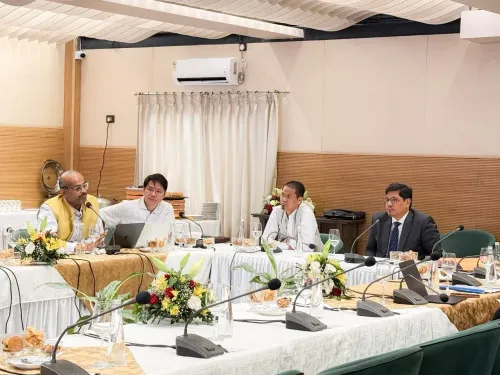
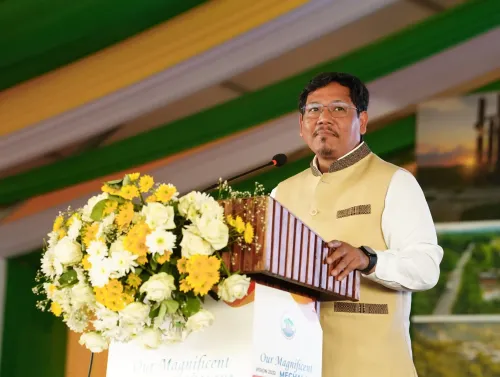
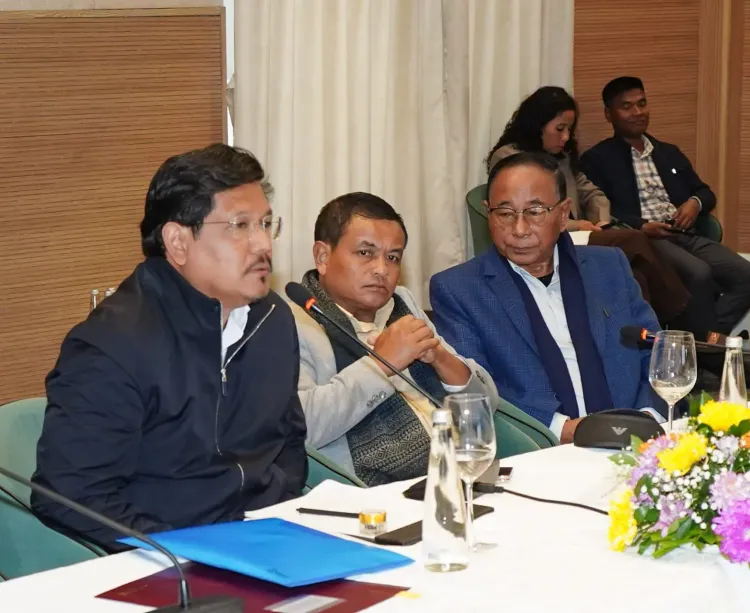
Four flagship welfare programmes — housing, roads, livelihoods, health — went under the microscope in Shillong on Wednesday, 18 November 2026, as Meghalaya Chief Minister Conrad Sangma chaired the State-level DISHA (District Development Coordination and Monitoring Committee) meeting to track the on-ground progress of central and state government schemes.
Sangma confirmed the review covered PMAY-G (Pradhan Mantri Awas Yojana-Gramin), NRLM (National Rural Livelihoods Mission), PMGSY (Pradhan Mantri Gram Sadak Yojana), and NHM (National Health Mission) — collectively touching every dimension of rural welfare from shelter and connectivity to income and primary healthcare. 'These reviews are essential to ensure effective implementation, timely completion of projects and, most importantly, that the benefits of these schemes reach the intended beneficiaries at the grassroots level,' the Chief Minister wrote.
What DISHA actually does — and why Meghalaya needs it more than most
DISHA meetings are a standard accountability mechanism across Indian states, designed to surface bottlenecks in central scheme implementation before they calcify into fund-lapse crises. In Meghalaya, however, the stakes are amplified: the state's deeply forested, hilly terrain creates logistical hurdles that flat-plain states rarely encounter. A road project that takes months elsewhere can stretch to years when the target habitation sits across a ridge with no existing track. Regular DISHA reviews are, in that sense, an operational necessity rather than a paperwork ritual.
The four schemes under scrutiny each carry significant weight for rural Meghalaya. PMAY-G, restructured from the Indira Awas Yojana in 2016, targets pucca housing for below-poverty-line rural households. NRLM, launched in 2011 as a successor to SGSY, channels self-help group networks to build durable rural livelihoods. PMGSY, initiated in 2000, remains the backbone of all-weather rural road connectivity and has gone through multiple phases to extend reach. NHM, formed in 2013 by integrating the National Rural Health Mission and National Urban Health Mission, anchors primary healthcare delivery at the village level — especially critical in a state where healthcare access often depends on road quality.
The accountability chain: from Sangma's chair to the last-mile beneficiary
By personally chairing the review, Sangma signals a top-down accountability posture that pushes district-level implementing agencies to reconcile targets against actual delivery. The DISHA framework, when functioning as intended, creates a direct line between state leadership and the utilisation certificates that determine whether central funds flow in the next tranche.
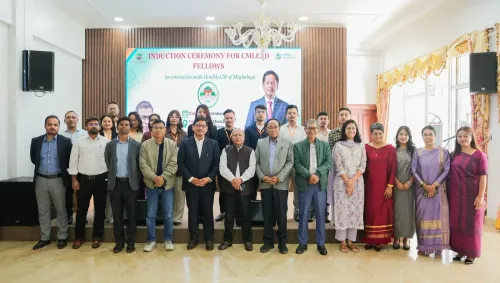
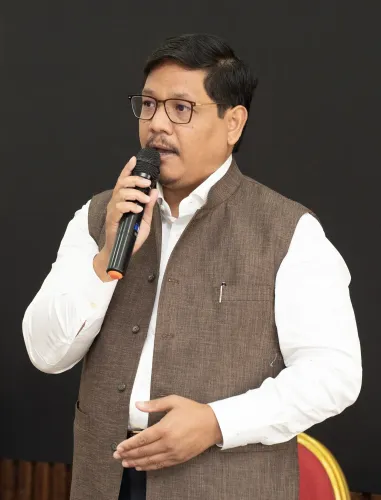
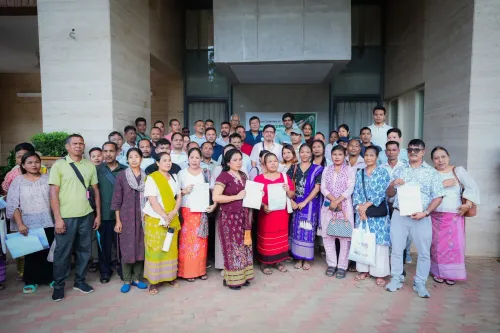
What makes this round of reviews worth watching is the timing: with the next round of central ministry performance audits approaching, any under-utilisation flags raised today could directly influence Meghalaya's fund releases across all four schemes. The Chief Minister's public disclosure of the meeting — backed by photographic documentation — also adds a layer of citizen-visible transparency to a process that often stays buried in administrative files.
Accountability meetings only matter if the corrective loop closes. The real test will come in the next quarterly DISHA session — and in whether the rural households waiting for a pucca roof or an all-weather road see the results on the ground.
Point of View
Whose hold on Meghalaya depends partly on projecting competent delivery, visible accountability exercises serve a dual function. The broader pattern worth noting is how Northeast states use DISHA forums to flag terrain-specific grievances upward to central ministries, making these meetings a soft lobbying channel as much as an oversight tool. Whether the November review translates into measurable acceleration in scheme delivery will be the real indicator of institutional follow-through.
NationPress
18 Nov 2026
Frequently Asked Questions
What is a DISHA meeting in India?
A DISHA (District Development Coordination and Monitoring Committee) meeting is a government forum where elected representatives and officials review the progress and fund utilisation of central government schemes at the district and state level to ensure accountability.
What is PMAY-G and how does it work in Meghalaya?
PMAY-G (Pradhan Mantri Awas Yojana-Gramin) provides financial assistance to rural households below the poverty line to construct pucca (permanent) houses. In Meghalaya, terrain challenges often slow construction timelines, making regular reviews essential.
What does PMGSY do in Northeast India?
PMGSY (Pradhan Mantri Gram Sadak Yojana) builds all-weather roads connecting unconnected rural habitations. In Northeast states like Meghalaya, its impact is especially significant given the region's hilly geography and historically poor road connectivity.
Who is Conrad Sangma and which party does he lead?
Conrad Sangma is the Chief Minister of Meghalaya, in office since 2018, and the national president of the National People's Party (NPP), a regional party based in the Northeast.
What is the National Rural Livelihoods Mission (NRLM)?
NRLM, launched in 2011, promotes rural livelihoods by organising poor rural women into self-help groups (SHGs) and providing them credit, skill training, and market linkages to achieve sustainable income.