CM Bhupendra Patel Pitches Gujarat as Global Tech Gateway at GIFT City Summit
Synopsis
Gujarat CM Bhupendra Patel addressed the ETGovernment Viksit Gujarat Summit 2026 at GIFT City, outlining the state's technology ambitions — semiconductor plants, a Data Center Policy, and an AI Centre of Excellence — as cornerstones of its Viksit Bharat 2047 roadmap.
Key Takeaways
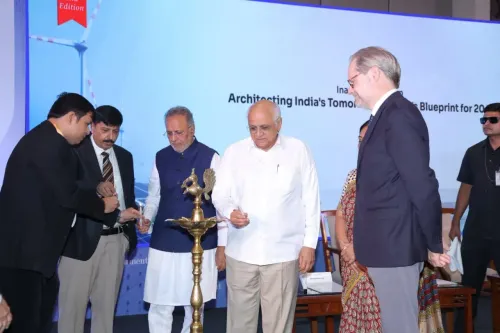
Gujarat CM Bhupendra Patel spoke at the ETGovernment Viksit Gujarat Summit 2026 held at GIFT City on 7 August 2026 .
Gujarat tops NITI Aayog's Investment Friendliness Index , according to the CM's address.
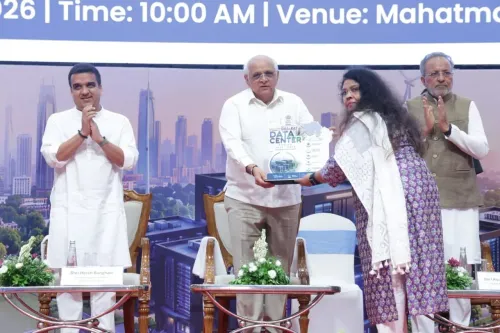
The state is pursuing three semiconductor plants , a Data Center Policy , and an AI Centre of Excellence as part of its technology push.
The semiconductor drive aligns with the central government's India Semiconductor Mission , approved in 2021 .
Patel framed Gujarat's goals within the national Viksit Bharat 2047 vision, stressing an inclusive economy balanced with ecology.
Key metrics to watch: commissioning timelines and employment outcomes from the semiconductor and AI facilities.
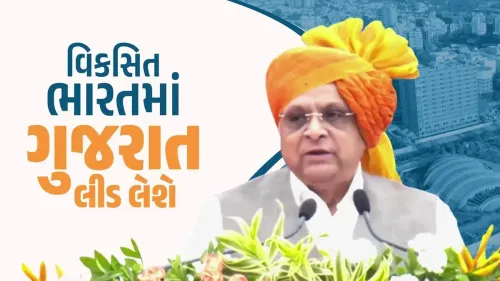
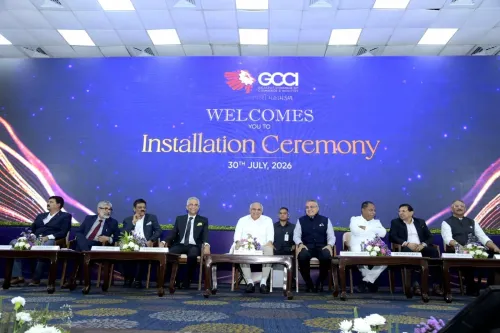
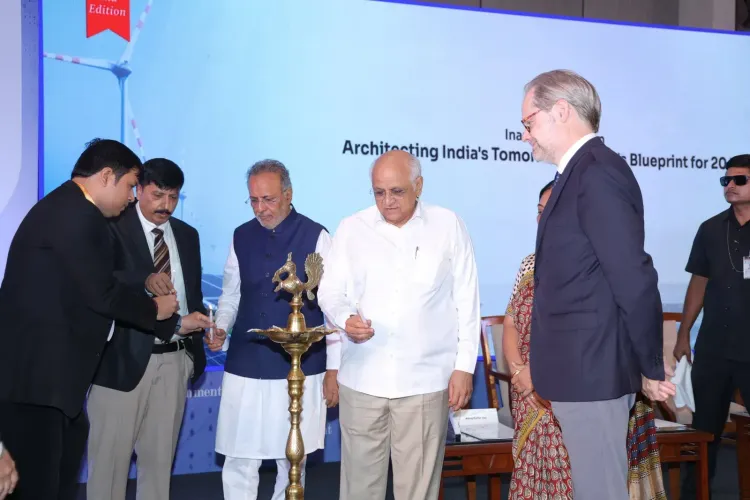
At the gleaming towers of GIFT City on Friday, 7 August 2026, Gujarat Chief Minister Bhupendra Patel stepped onto the stage of the ETGovernment Viksit Gujarat Summit 2026 with a pointed message: Gujarat is no longer just India's industrial workhorse — it is positioning itself as the country's launchpad into the global technology economy.
From Investment Magnet to Semiconductor Ambition
CM Patel anchored his address in a concrete achievement — NITI Aayog's Investment Friendliness Index, on which Gujarat currently tops the national rankings. That credibility, built over two decades of infrastructure-led industrial reform dating to the early 2000s, now underpins a bolder technological bet. The Chief Minister pointed to three semiconductor plants, a Data Center Policy, and an AI Centre of Excellence as the pillars of what he called 'a new technological revolution' for the state.
The semiconductor push aligns with the India Semiconductor Mission, the central government scheme approved in 2021 that offers substantial financial incentives to attract fabrication units — a strategic move to reduce India's deep dependence on chip imports. Gujarat, with its established ease-of-doing-business record and GIFT City's IFSC infrastructure, has emerged as one of the most active states in translating that national mission into ground-level projects.
GIFT City as the Summit's Symbolic Stage
GIFT City — India's first operational smart financial city and International Financial Services Centre, developed since 2011 — was a deliberate choice of venue. It embodies precisely the kind of greenfield, globally-integrated development the summit was convened to discuss. Hosting a technology and governance forum here sends a signal: the ambition being articulated is not theoretical. The infrastructure already exists.
Patel framed the broader goal through Prime Minister Narendra Modi's 'Politics of Performance' mantra — a phrase that threads individual state delivery to national political branding. Modi, who served as Gujarat's Chief Minister from 2001 to 2014 before moving to the Centre, effectively authored the state's industrial growth model. Patel's address was, in part, a report card on that inheritance.
'Viksit Gujarat' as the State's 2047 Commitment
The summit's framing — evaluating and projecting a roadmap to 2047, the centenary of Indian independence — places Gujarat's ambitions inside the nationally articulated Viksit Bharat 2047 vision. Patel was explicit that 'Viksit Bharat, Viksit Gujarat' is 'not merely an economic milestone' but a 'comprehensive vision' balancing an inclusive economy with ecology, promising equal opportunity and quality of life for every citizen.
That ecology-economy balance framing is notable — a signal that the state's development pitch is evolving beyond pure GDP growth into a more layered narrative ahead of a decade of intense global scrutiny on climate and sustainability.
The real test arrives in the commissioning timelines and employment numbers from the semiconductor and AI facilities — the metrics that will determine whether today's summit stage becomes tomorrow's ground-level story.
Point of View
But the semiconductor and AI claims remain aspirational until commissioning milestones are publicly verified. The ecology-economy balance rhetoric signals an emerging shift in how BJP-governed states are packaging industrial growth for a more climate-conscious domestic and global audience. Whether GIFT City's infrastructure advantage translates into actual semiconductor output will be the definitive test of this narrative.
NationPress
21 Sept 2026
Frequently Asked Questions
What did Gujarat CM Bhupendra Patel announce at the GIFT City summit in 2026?
CM Patel highlighted Gujarat's technology ambitions at the ETGovernment Viksit Gujarat Summit 2026, citing three semiconductor plants, a Data Center Policy, and an AI Centre of Excellence as drivers of the state's development roadmap to 2047.
What is the NITI Aayog Investment Friendliness Index and why does Gujarat top it?
NITI Aayog's Investment Friendliness Index ranks Indian states on their ease of doing business and investment climate. Gujarat's long-standing infrastructure-led industrial reforms and business-friendly policies have placed it at the top of this ranking.
What is the India Semiconductor Mission and how does Gujarat fit in?
The India Semiconductor Mission, approved by the central government in 2021, provides financial incentives to attract chip fabrication units and reduce import dependence. Gujarat is among the most active states pursuing projects under this scheme.
What is GIFT City and why was the Viksit Gujarat Summit held there?
GIFT City — Gujarat International Finance Tec-City — is India's first operational smart financial city and IFSC, developed since 2011. Its globally-integrated infrastructure made it a fitting venue for a summit focused on technology and investment roadmaps.
What is the Viksit Bharat 2047 vision and how does Gujarat relate to it?
Viksit Bharat 2047 is a national development vision articulated around 2022 to mark the centenary of Indian independence, targeting a fully developed India by 2047. Gujarat frames its own goals — 'Viksit Gujarat' — as a direct state-level contribution to this national target.