CM Bhupendra Patel Pitches Gujarat as Global Industrial Hub
Synopsis
Gujarat Chief Minister Bhupendra Patel addressed the GCCI installation ceremony in Ahmedabad on 30 July 2026, citing the state's top NITI Aayog investment ranking and urging industry to embrace semiconductors, AI, and data centres under the New Industrial Policy-2026 to advance Viksit Bharat @ 2047.
Key Takeaways
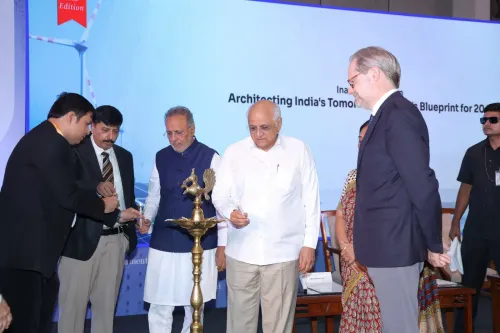
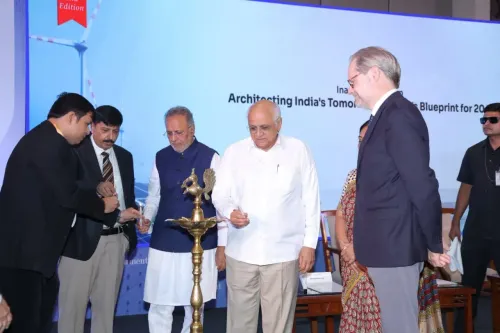
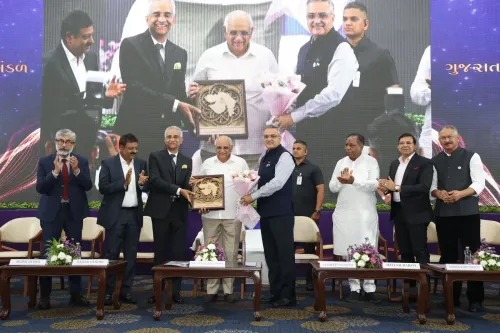
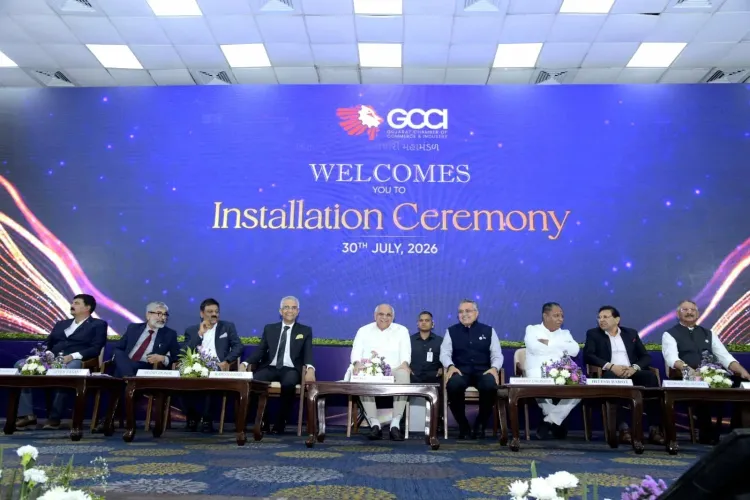
CM Bhupendra Patel attended the GCCI office-bearers' installation ceremony in Ahmedabad on 30 July 2026 .
Gujarat ranked first nationally in NITI Aayog's 'Investment Friendliness Index 2026', according to Patel.
The state's New Industrial Policy-2026 targets MSME growth alongside high-technology sectors.
Patel called on industry to invest in semiconductors, AI, and data centres under the 'Make in Gujarat, Make for the World' vision.
The push aligns with the national Viksit Bharat @ 2047 development framework.
Gujarat's investor-friendly track record spans two decades of Vibrant Gujarat Summits and single-window clearances.
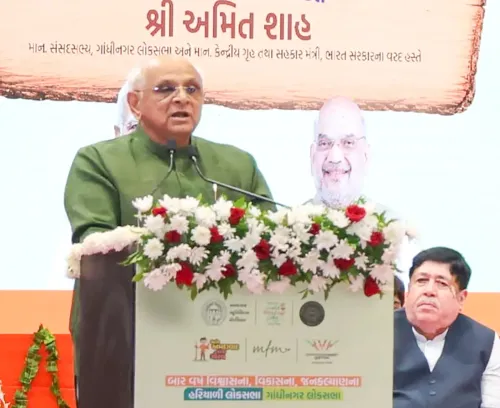
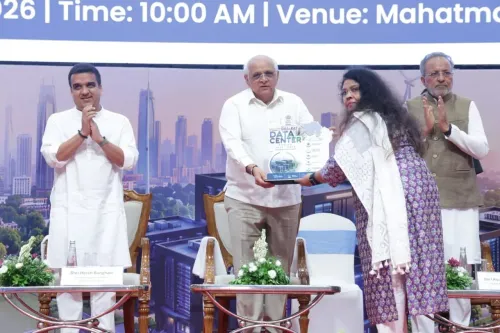
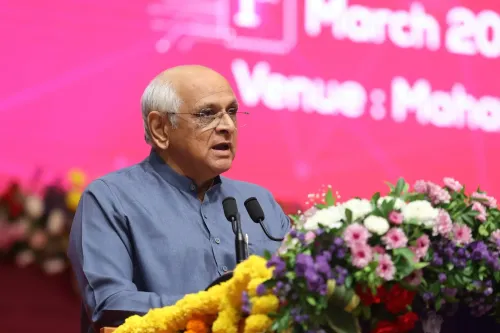
Gujarat is no longer just competing — it is leading. At the installation ceremony of newly elected office-bearers of the Gujarat Chamber of Commerce and Industry (GCCI) in Ahmedabad on 30 July 2026, Gujarat Chief Minister Bhupendra Patel made a pointed call to industry: gear up for semiconductors, artificial intelligence, and data centres, because the state is building for the world.
Addressing the gathering, CM Patel credited Prime Minister Narendra Modi's leadership for Gujarat's emergence as the country's most preferred investment destination — a claim he anchored to a concrete ranking. According to Patel, NITI Aayog's 'Investment Friendliness Index 2026' has placed Gujarat first in the nation, a distinction he held up as validation of the state's decades-long policy consistency.
New Industrial Policy-2026 and the MSME Push
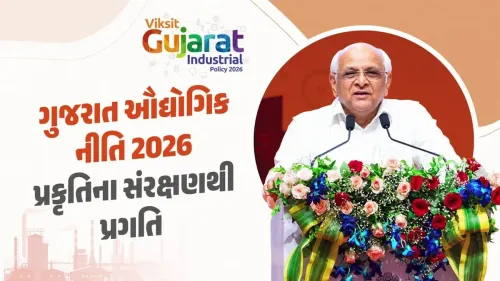
At the centre of Patel's pitch was Gujarat's New Industrial Policy-2026, framed as the engine that will drive the state's next growth phase. The policy places special emphasis on MSMEs — the backbone of Gujarat's industrial clusters in chemicals, textiles, and auto components — while simultaneously opening the door to high-technology sectors. The message was deliberate: the state is not abandoning its manufacturing roots; it is moving up the value chain.
Gujarat's investor-friendly infrastructure has been built over two decades of Vibrant Gujarat Summits, single-window clearances, and sector-specific incentives that date back to the Gujarat Industrial Policy 2015. The current semiconductor and AI push aligns squarely with the central government's Production Linked Incentive schemes and India's broader electronics self-reliance drive.
'Make in Gujarat, Make for the World'
Patel's rallying cry — 'Make in Gujarat, Make for the World' — was a direct call to the business community to align with the national vision of Viksit Bharat @ 2047, the government's framework for transforming India into a developed economy by the centenary of independence. He urged industry to position itself in semiconductors, AI, and data centres — three sectors the state is actively courting as the next wave of investment.
The GCCI, one of Ahmedabad's oldest and most influential industry bodies, is a natural stage for this kind of signal. Its new leadership team now inherits a political mandate that is unambiguous: integrate with the state's high-technology ambitions or risk being left behind by a policy environment that is moving fast.
Gujarat's next inflection point will come when the implementation timelines and fiscal details of the New Industrial Policy-2026 are made public — and when the next Vibrant Gujarat Summit tests whether the rhetoric of semiconductors and AI translates into signed investment commitments.
Point of View
He simultaneously validates the state's track record and ties Gujarat's ambitions to the central government's 2047 narrative — a politically safe and economically coherent move. The emphasis on semiconductors and AI is consistent with the BJP's national industrial strategy, but the real test will be whether the New Industrial Policy-2026 delivers specific incentives that can compete with global semiconductor hubs. GCCI's new leadership now becomes an informal accountability partner for those commitments.
NationPress
14 Sept 2026
Frequently Asked Questions
What is NITI Aayog's Investment Friendliness Index 2026?
It is a NITI Aayog index that ranks Indian states on how conducive their regulatory and policy environment is for investors. CM Bhupendra Patel stated that Gujarat ranked first in the country in this index for 2026.
What is Gujarat's New Industrial Policy-2026?
It is a state policy framework announced by the Gujarat government to promote MSMEs, attract investment in emerging sectors like semiconductors and AI, and position Gujarat as a global manufacturing hub.
What is GCCI and why is it significant?
The Gujarat Chamber of Commerce and Industry (GCCI) is one of Ahmedabad's leading industry associations representing trade, industry, and services in Gujarat. It has historically been a key platform for state-industry dialogue and policy advocacy.
What is 'Viksit Bharat @ 2047'?
Viksit Bharat @ 2047 is the central government's national vision to transform India into a fully developed economy by 2047, the centenary of Indian independence. Gujarat's industrial push is being framed as a contribution to this goal.
Why is Gujarat focusing on semiconductors and AI?
Gujarat is aligning with national Production Linked Incentive schemes and India's push for electronics self-reliance. The state sees semiconductors, AI, and data centres as the next value-chain upgrade beyond its existing clusters in chemicals, textiles, and automobiles.