CM Bhupendra Patel Launches Viksit Gujarat Industrial Policy 2026
Synopsis
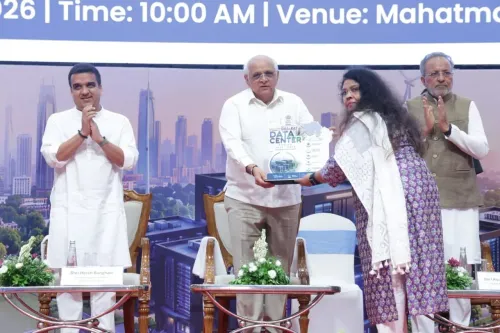
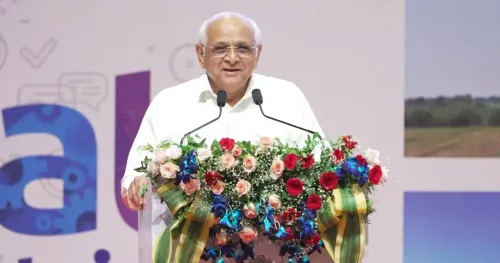
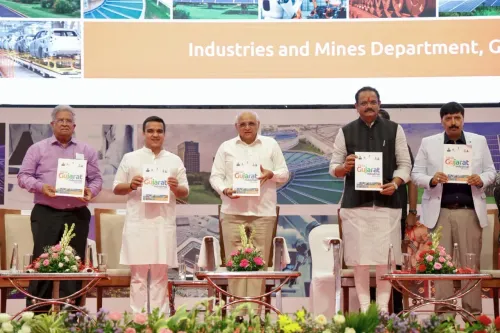
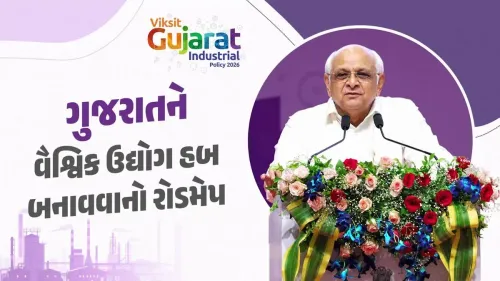
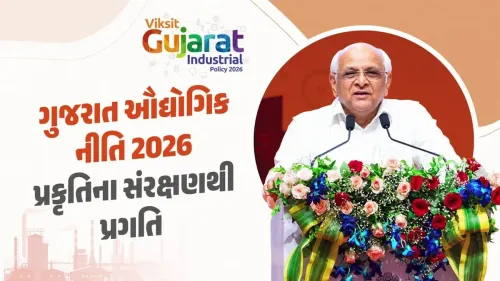
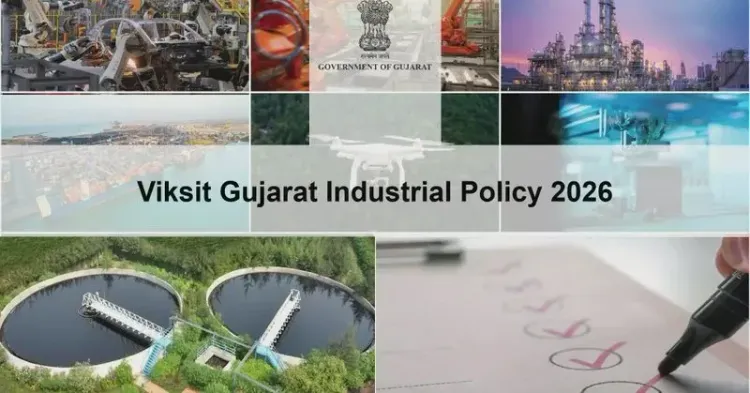
Gujarat Chief Minister Bhupendra Patel on June 15, 2026, launched the Viksit Gujarat Industrial Policy 2026 at Mahatma Mandir, Gandhinagar. The policy continues the state's decades-long industrialisation drive, aligning with the national Viksit Bharat 2047 vision and targeting manufacturing growth, MSME development and increased FDI.
Key Takeaways
Viksit Gujarat Industrial Policy 2026 was formally launched by CM Bhupendra Patel on June 15, 2026 .
The launch took place at Mahatma Mandir, Gandhinagar , Gujarat's premier policy and investment venue.
The new policy continues a lineage that includes the Gujarat Industrial Policy 2015 and Gujarat Industrial Policy 2020 .
It is designed to align with the national Viksit Bharat 2047 goal and central schemes like Make in India and PLI .
Key stakeholders include manufacturing industries, MSME entrepreneurs and FDI investors .
Detailed incentive slabs and sectoral focus areas are expected to be disclosed in the coming weeks.
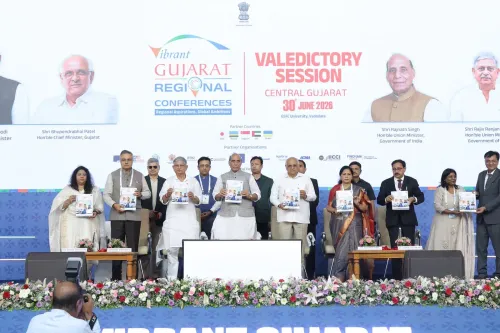
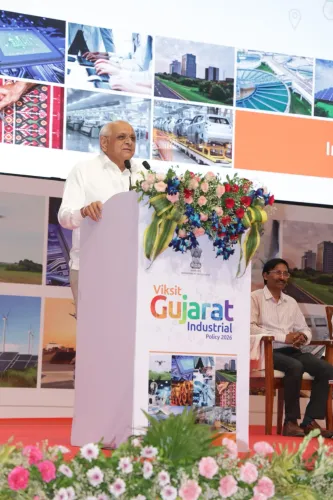
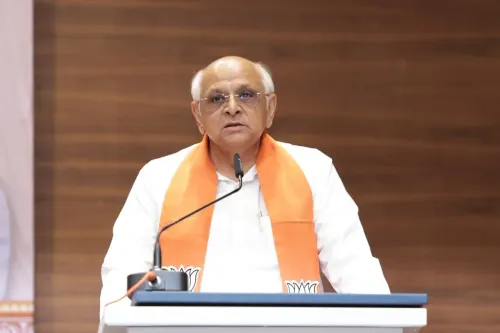
Gujarat Chief Minister Bhupendra Patel on Monday, June 15, 2026, launched the Viksit Gujarat Industrial Policy 2026 at a live event held at Mahatma Mandir, Gandhinagar, signalling the state government's latest push to accelerate manufacturing, employment and investment growth.
Context
The Chief Minister shared the live broadcast of the launch on X (formerly Twitter), with the post reading: 'LIVE: 'વિકસિત ગુજરાત ઈન્ડસ્ટ્રીઅલ પોલિસી 2026'નું મહાત્મા મંદિર, ગાંધીનગર ખાતે લોન્ચિંગ' — translated as 'LIVE: Launch of the Viksit Gujarat Industrial Policy 2026 at Mahatma Mandir, Gandhinagar.' The announcement confirms that the new industrial framework has been formally unveiled, marking a significant moment in Gujarat's ongoing economic governance.
Mahatma Mandir, a major convention and exhibition centre in Gandhinagar, has become the state's preferred venue for flagship policy launches and the biennial Vibrant Gujarat Summit, underscoring the symbolic weight attached to this announcement.
Policy Backdrop
The Viksit Gujarat Industrial Policy 2026 is the latest in a succession of state industrial frameworks that began with the Gujarat Industrial Policy 2015, which set targets for sustainable industrial growth and sector-specific incentives, and was followed by the Gujarat Industrial Policy 2020, which expanded focus to electronics, renewables and MSME clusters alongside single-window clearance reforms.
Gujarat has maintained an uninterrupted industrialisation strategy since the mid-1990s under BJP governments, leveraging periodic policy updates and investor summits to sustain its position as one of India's top manufacturing destinations. The new policy is designed to align with the central government's national aspiration of a Viksit Bharat (Developed India) by 2047, dovetailing with schemes such as Make in India and the Production-Linked Incentive (PLI) framework.
Previous editions of the Vibrant Gujarat Summit — held in 2019 and 2021 — served as platforms for announcing earlier industrial incentive packages and securing domestic and foreign investment commitments, establishing a pattern that the 2026 policy continues.
Stakeholders and Impact
The policy is expected to directly affect manufacturing industries, MSME entrepreneurs and foreign direct investment (FDI) investors eyeing Gujarat as a destination. Gujarat's pro-business governance record, high manufacturing output and FDI growth rates have made it a benchmark for industrial policy in India.
For MSMEs, successive Gujarat industrial policies have historically delivered cluster development support, easier credit access and infrastructure connectivity. Larger investors and multinational corporations have benefited from sector-specific incentive structures and streamlined regulatory clearances that the new policy is expected to update and strengthen.
What's Next
The detailed incentive structure, sectoral focus areas and any Memoranda of Understanding (MoUs) associated with the Viksit Gujarat Industrial Policy 2026 are expected to be disclosed in the weeks following the launch. Follow-up announcements are anticipated at the next edition of the Vibrant Gujarat Summit.
With Gujarat consistently ranking among India's leading states in ease-of-doing-business assessments, the 2026 policy will be closely watched by investors and policymakers as a signal of the state's industrial ambitions heading into the second half of the decade.
Point of View
The state government is visibly aligning itself with the Centre's 2047 development narrative — a politically deliberate move ahead of future electoral cycles. The policy's real test will lie in its incentive architecture and whether it meaningfully advances MSME formalisation and green manufacturing beyond previous editions. Investor response and MoU conversions in the months ahead will determine whether the 2026 framework represents a genuine upgrade or an incremental refresh of existing commitments.
NationPress
20 Sept 2026
Frequently Asked Questions
What is the Viksit Gujarat Industrial Policy 2026?
The Viksit Gujarat Industrial Policy 2026 is a state industrial framework launched by Gujarat Chief Minister Bhupendra Patel on June 15, 2026, aimed at accelerating manufacturing, employment generation and investment in Gujarat, in alignment with the national Viksit Bharat 2047 goal.
Where was the Viksit Gujarat Industrial Policy 2026 launched?
The policy was launched at Mahatma Mandir in Gandhinagar, Gujarat, which is the state's primary convention and exhibition centre for major policy announcements and investor summits.
What are the previous Gujarat industrial policies?
Gujarat has released successive industrial policies including the Gujarat Industrial Policy 2015 and the Gujarat Industrial Policy 2020, each expanding sectoral focus and incentive structures to attract domestic and foreign investment.
Who launched the Viksit Gujarat Industrial Policy 2026?
Gujarat Chief Minister Bhupendra Patel, a senior BJP leader who has helmed the state since September 2021, launched the policy on June 15, 2026.
How does the Viksit Gujarat Industrial Policy 2026 relate to Make in India?
The 2026 policy is designed to complement central government initiatives like Make in India and Production-Linked Incentive schemes, positioning Gujarat as a key destination for manufacturing investment under the national Viksit Bharat framework.