Viksit Gujarat Industrial Policy 2026: CM Patel eyes global powerhouse status
Synopsis
Gujarat has launched its most ambitious industrial policy yet — a framework that goes beyond incentives to target green hydrogen, semiconductors, aerospace, and inclusive regional growth. With a USD 329.70 billion economy already at 8.2% of India's GDP, the Viksit Gujarat Industrial Policy-2026 is the state's bid to anchor itself at the centre of India's global manufacturing ambitions.
Key Takeaways
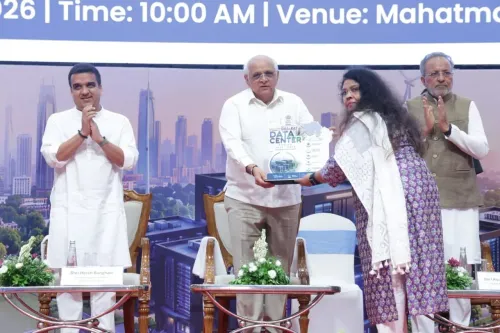
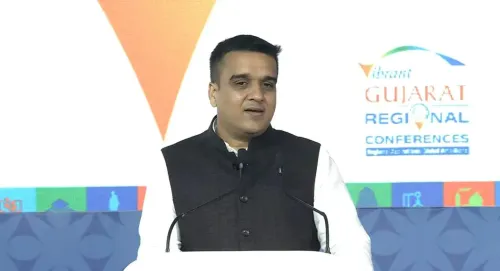
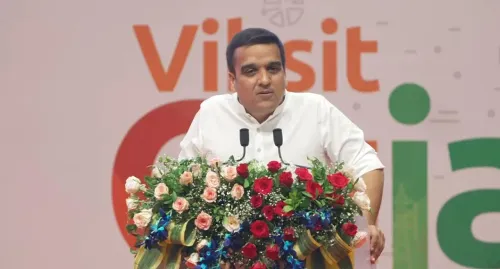
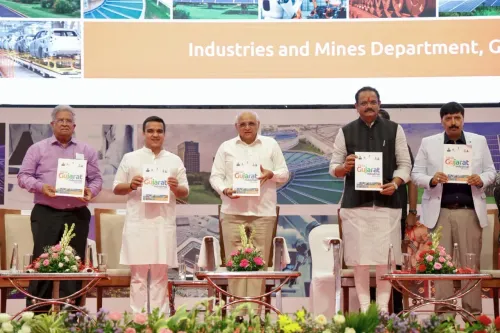
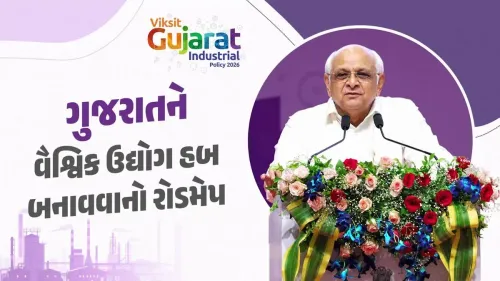
Gujarat CM Bhupendra Patel launched the Viksit Gujarat Industrial Policy-2026 at Mahatma Mandir, Gandhinagar on 15 June .
The policy targets sectors including green hydrogen, semiconductors, aerospace, electric mobility, robotics , and drones .
Gujarat had attracted USD 60.6 billion in FDI by December 2025 ; state GDP stands at USD 329.70 billion , over 8.2% of India's GDP.
Special provisions cover MSMEs, startups, women entrepreneurs, SC/ST entrepreneurs , and Van Bandhu talukas .
The policy is built on four pillars : investment and production, innovation and research, skills and employment, and sustainability and inclusive development.
Industries investing outside major urban centres will receive additional support to promote balanced regional development.
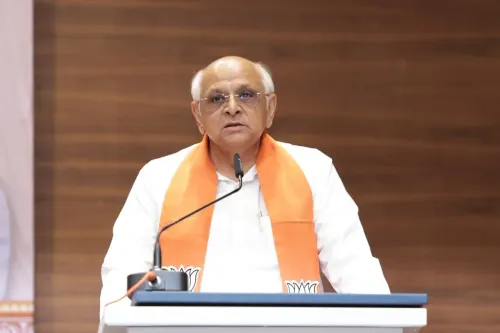
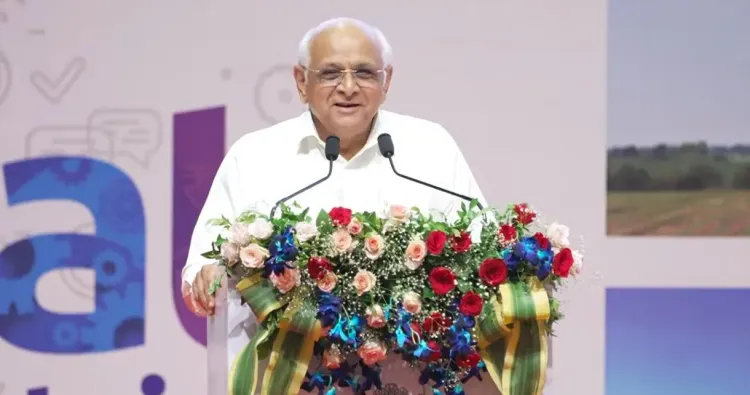
Gujarat Chief Minister Bhupendra Patel on Monday, 15 June launched the Viksit Gujarat Industrial Policy-2026 at Mahatma Mandir in Gandhinagar, describing it as a comprehensive development blueprint designed to position Gujarat as a global industrial powerhouse and accelerate the state's contribution to the national goal of Viksit Bharat 2047. The policy goes beyond conventional incentive structures, integrating pillars of innovation, sustainability, and inclusive regional growth.
Key Pillars of the Policy
The framework rests on four pillars: investment and production, innovation and research, skills and employment, and sustainability and inclusive development. Chief Minister Patel said the policy had been prepared after incorporating suggestions, demands, and requirements received from industries across sectors and regions of the state, ensuring it accommodates the needs of every category of industry.
The policy integrates support mechanisms for power, interest subsidies, capital investment, and other industrial requirements. Notably, industries investing outside major urban centres will receive additional support, aimed at achieving balanced regional development and accelerating economic growth in areas that remain underindustrialised.
Target Sectors and Incentives
The policy identifies a wide range of future-focused sectors for targeted incentives, including green hydrogen, green ammonia, battery storage systems, electrolysers, electric mobility, aerospace, space manufacturing, semiconductor support units, nuclear power equipment, robotics, drones, sports goods, toys, and footwear manufacturing. Patel said the framework was designed with future industrial trends in mind, as technology, artificial intelligence, green energy, and shifts in global supply chains continue to reshape the world economy.
Special provisions have been included for startups, women entrepreneurs, first-generation entrepreneurs, and young innovators through measures such as startup sustenance allowances, seed support, and interest subsidies. The policy also contains targeted incentives for Van Bandhu talukas, backward regions, Scheduled Caste and Scheduled Tribe entrepreneurs, and MSMEs.
MSMEs at the Centre
Chief Minister Patel emphasised that the policy places MSMEs at the centre of development alongside large industries. He said the integration of investment, innovation, skills, and sustainability dimensions would help create a holistic industrial ecosystem capable of supporting long-term economic growth. 'This policy will help make Gujarat a centre of industrial innovation, advanced research and global technological development,' he said.
Gujarat's Economic Standing
Patel highlighted that Gujarat had attracted USD 60.6 billion in foreign direct investment by December 2025. The state's economy had reached USD 329.70 billion, accounting for more than 8.2% of India's gross domestic product, while Gujarat continued to lead the country in manufacturing, infrastructure development, innovation, and ease of doing business.
He credited Prime Minister Narendra Modi — on the occasion of completing 12 years in office — with transforming Gujarat into a globally recognised investment destination through the Vibrant Gujarat Global Summit and replacing what he called 'red-tapism' with a culture of 'red carpets' for investors.
What Comes Next
The launch was attended by Deputy Chief Minister Harsh Sanghavi, Finance Minister Kanu Desai, Agriculture Minister Jitu Vaghani, State Industries Minister Jayram Gamit, Chief Secretary M.K. Das, and senior officials from the Industries and Mines, Finance, and Industries departments, alongside industrialists. Patel expressed confidence that the success of the 'Viksit Gujarat to Viksit Bharat 2047' mission would depend on sustained partnership between government and industry. 'This policy is not merely an incentive scheme for industries. It is a comprehensive development document,' he said.
Point of View
Semiconductors, and aerospace rather than offering blanket incentives. But the real test will be execution: past Vibrant Gujarat summits have generated headline investment pledges that took years to materialise on the ground. The inclusion of Van Bandhu talukas and SC/ST provisions signals political intent toward inclusive growth, yet without measurable employment and regional income targets, these provisions risk becoming decorative. With India competing globally for semiconductor and green energy supply chains, Gujarat's timing is right — but ambition alone does not close the gap between MoU and factory floor.
NationPress
20 Sept 2026
Frequently Asked Questions
What is the Viksit Gujarat Industrial Policy-2026?
The Viksit Gujarat Industrial Policy-2026 is a comprehensive industrial framework launched by Gujarat Chief Minister Bhupendra Patel on 15 June in Gandhinagar. It targets sectors such as green hydrogen, semiconductors, aerospace, electric mobility, and robotics, while also providing special incentives for MSMEs, startups, and entrepreneurs from backward regions and SC/ST communities.
Which sectors receive targeted incentives under the new Gujarat industrial policy?
The policy offers targeted incentives for green hydrogen, green ammonia, battery storage systems, electrolysers, electric mobility, aerospace, space manufacturing, semiconductor support units, nuclear power equipment, robotics, drones, sports goods, toys, and footwear manufacturing, among others.
How large is Gujarat's economy and how much FDI has it attracted?
According to Chief Minister Patel, Gujarat's economy had reached USD 329.70 billion, accounting for more than 8.2% of India's GDP. The state had attracted USD 60.6 billion in foreign direct investment by December 2025.
What provisions does the policy make for MSMEs and smaller entrepreneurs?
The policy places MSMEs at the centre of development alongside large industries. It includes startup sustenance allowances, seed support, and interest subsidies for startups, women entrepreneurs, first-generation entrepreneurs, and young innovators. Special incentives are also earmarked for Van Bandhu talukas, backward regions, and SC/ST entrepreneurs.
What are the four pillars of the Viksit Gujarat Industrial Policy-2026?
The policy is built on four pillars: investment and production, innovation and research, skills and employment, and sustainability and inclusive development. Chief Minister Patel said integrating these dimensions would help create a holistic industrial ecosystem capable of supporting long-term economic growth.