CM Bhupendra Patel Pitches New Policy as Blueprint for Inclusive Growth
Synopsis
Gujarat Chief Minister Bhupendra Patel on 15 June 2026 endorsed a new economic policy as a blueprint for inclusive prosperity, spotlighting youth employment, MSMEs, first-generation entrepreneurs, and women-led businesses, while linking Gujarat's industrial push in semiconductors and green energy to the national Viksit Bharat vision for 2047.
Key Takeaways
CM Bhupendra Patel on 15 June 2026 publicly backed a new industrial policy as a 'blueprint for inclusive prosperity' for Gujarat .
The policy targets four groups: youth seeking high-quality employment, MSMEs , first-generation entrepreneurs , and women-led businesses .
Key sectors highlighted are semiconductors and green energy , reflecting continuity with the India Semiconductor Mission 2021 and Gujarat's 50 GW renewable target by 2030 .
The Chief Minister framed the policy as a bridge from #ViksitGujarat to #ViksitBharat , aligning state growth with PM Modi's national development vision for 2047 .
Detailed incentive guidelines and budget allocations are yet to be released, with the Gujarat Assembly session the next key watch-point.
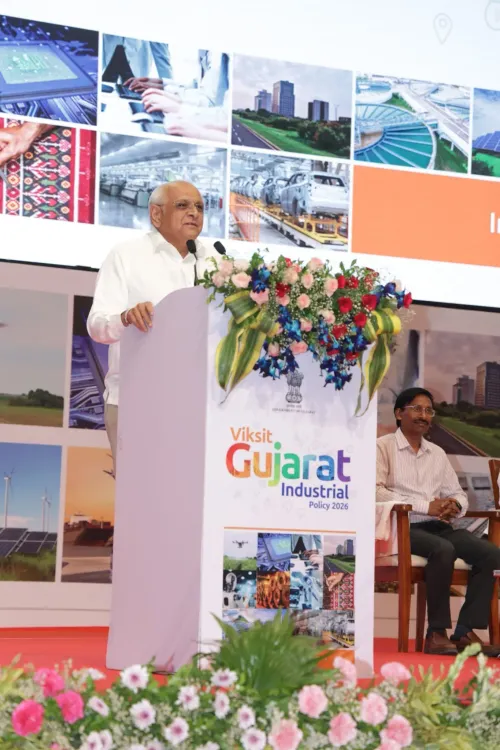
Gujarat Chief Minister Bhupendra Patel on Monday, 15 June 2026, publicly endorsed a new industrial and economic policy as a 'blueprint for inclusive prosperity,' highlighting its focus on youth employment, MSMEs, first-generation entrepreneurs, and women-led businesses. The Chief Minister linked the policy's ambitions directly to the national Viksit Bharat vision, framing Gujarat's industrial trajectory as a stepping stone to India's development goals for 2047.
Context
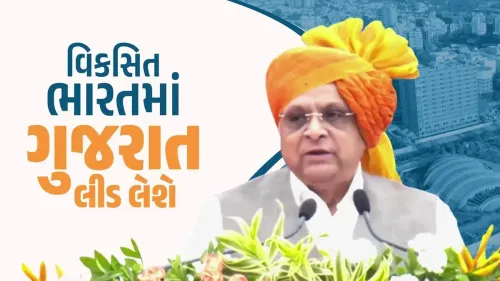
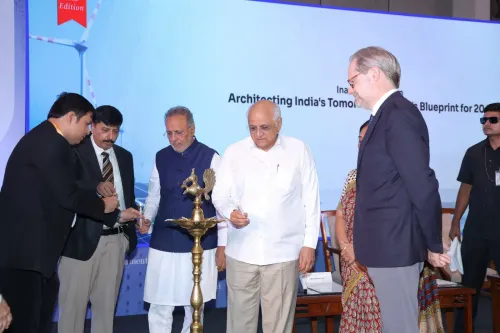
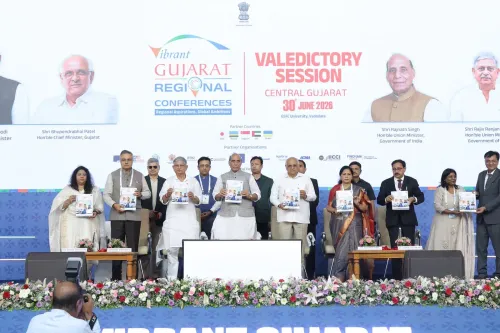
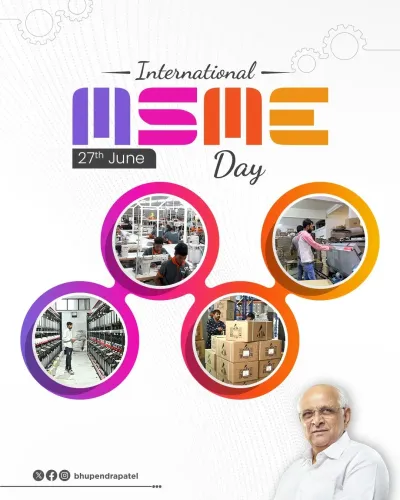
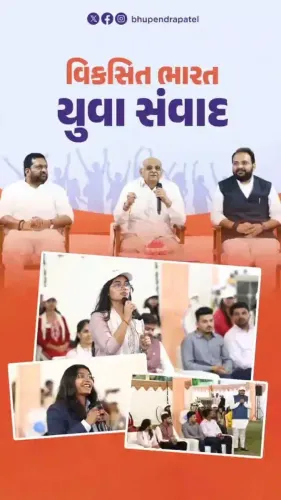
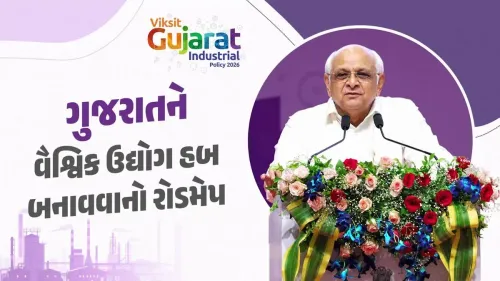
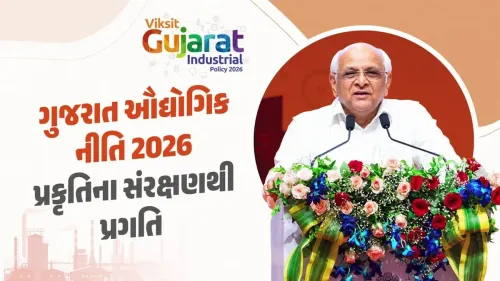
Bhupendra Patel, who has led Gujarat as Chief Minister since September 2021, described the policy as one that empowers youth with 'high-quality employment' while supporting MSMEs as 'economic backbones.' He specifically called out provisions for 'first-generation entrepreneurs' and 'woman-led entrepreneurship' as pillars of the framework. The post, carrying four images, was shared on his official X account and drew attention for its explicit alignment with central government priorities.
In his own words: 'This policy is a blueprint for inclusive prosperity — empowering our youth with high-quality employment, supporting MSMEs as economic backbones, providing a launchpad for first-generation entrepreneurs and fostering woman-led entrepreneurship.' He concluded with the hashtags #ViksitGujarat and #ViksitBharat, the twin slogans that have come to define BJP's state-to-national development narrative.
Policy Backdrop
Gujarat has maintained a succession of targeted industrial policies — most recently the Gujarat Industrial Policy 2020 — that offered structured incentives for electronics, renewables, and MSME clusters. The state has also been an early beneficiary of the India Semiconductor Mission, launched in 2021, under which semiconductor and display manufacturing proposals were approved for Gujarat. These form the institutional scaffolding on which the Chief Minister's latest remarks rest.
On the green energy front, Gujarat's renewable energy policy framework, updated between 2019 and 2023, targets 50 GW of green power capacity by 2030. CM Patel's reference to 'Semiconductors to Green Energy' as twin pillars of the new policy maps directly onto these existing commitments, suggesting continuity rather than a sharp departure from the state's established industrial direction.
The post also echoes the Centre's Atmanirbhar Bharat framework, which has pushed states to develop domestic manufacturing capacity in high-tech and clean-energy sectors. Gujarat has consistently positioned itself as a model implementer of that agenda, attracting significant foreign direct investment in both domains.
Stakeholders and Impact
The policy's stated beneficiaries span several segments: youth seeking formal employment, small and medium enterprises requiring credit and market access, first-generation entrepreneurs without inherited business networks, and women entrepreneurs who have historically faced structural barriers to capital and mentorship. If implemented at scale, these groups represent a substantial share of Gujarat's working-age population and informal economy.
On the industrial side, sectors such as semiconductors and green energy carry high capital intensity and long gestation periods, meaning the policy's employment and investment outcomes will depend heavily on the incentive design, land allocation, and single-window clearance mechanisms that accompany it. Stakeholders in existing MSME clusters — textiles, chemicals, engineering goods — will watch whether the new framework extends or replaces existing support structures.
What's Next
The specific name, gazette notification, and detailed incentive guidelines of the referenced policy have not yet been publicly released, making the Gujarat Assembly session the next critical moment for legislative and budgetary scrutiny. Analysts and industry bodies will look for concrete budget allocations, eligibility criteria for MSME and entrepreneurship support, and any new semiconductor fabrication or green hydrogen project announcements tied to the framework.
More broadly, CM Patel's framing of the move from #ViksitGujarat to #ViksitBharat signals that Gujarat intends to continue serving as a policy laboratory for the BJP's national economic agenda — with outcomes here likely to influence similar frameworks in other BJP-governed states ahead of the 2047 centenary development target.
Point of View
The framing attempts to appeal simultaneously to aspirational urban voters and the informal-economy base. The move follows a well-established pattern in BJP-governed states since 2014, where state chief ministers publicly anchor local policy wins to the Prime Minister's overarching vision, reinforcing both central-state alignment and individual political capital. The real test will come when detailed guidelines are tabled — whether the policy delivers structural change or remains largely rhetorical will determine whether Gujarat's 'model state' brand holds under scrutiny.
NationPress
14 Sept 2026
Frequently Asked Questions
What is the new Gujarat policy announced by CM Bhupendra Patel?
CM Bhupendra Patel described a new economic policy on 15 June 2026 as a 'blueprint for inclusive prosperity,' focused on youth employment, MSMEs, first-generation entrepreneurs, and women-led businesses, with semiconductor and green energy sectors as industrial anchors. The specific policy name and gazette notification had not been publicly released at the time of the post.
What is Viksit Gujarat and how does it connect to Viksit Bharat?
Viksit Gujarat is the BJP-led state government's development slogan for Gujarat's economic growth, while Viksit Bharat is PM Narendra Modi's national vision to make India a developed economy by 2047. CM Patel used both hashtags to signal that Gujarat's industrial progress is intended to contribute directly to the national goal.
How does Gujarat's semiconductor policy fit into the national India Semiconductor Mission?
The India Semiconductor Mission was launched by the central government in 2021 to build domestic chip design and fabrication capacity. Gujarat secured early semiconductor and display manufacturing proposals under this mission, and CM Patel's latest policy references semiconductors as a key growth sector, indicating continued alignment with that national programme.
What is Gujarat's green energy target and what policies support it?
Gujarat has set a target of 50 GW of renewable energy capacity by 2030 under its renewable energy policy framework, updated between 2019 and 2023. The new policy referenced by CM Patel explicitly includes green energy as a pillar, suggesting these targets remain central to the state's industrial roadmap.
Who are the main beneficiaries of Gujarat's new inclusive prosperity policy?
According to CM Patel's post, the policy targets youth seeking high-quality employment, MSMEs described as 'economic backbones,' first-generation entrepreneurs who lack inherited business networks, and women entrepreneurs seeking a formal launchpad — together representing a broad cross-section of Gujarat's working-age and informal economy population.