CM Mamata calls I.N.D.I.A. to Ramlila Maidan on Nov 1 over EVM row
Synopsis
West Bengal CM Mamata Banerjee has called the I.N.D.I.A. opposition alliance to a mass rally at Ramlila Maidan on 1 November, demanding accountability over EVMs, voter data, electoral rolls, and vote-counting — framing the protest as a defence of democracy and the Constitution.
Key Takeaways
West Bengal CM Mamata Banerjee announced the rally via post on Thursday, 29 October 2026 .
The event is scheduled for Sunday, 1 November 2026, at 12:30 PM at Ramlila Maidan, Delhi .
The I.N.D.I.A. alliance — formed in July 2023 to consolidate opposition against the NDA — is the organising umbrella.
Four specific concerns are cited: EVMs, voter data, electoral rolls, and counting processes.
Banerjee has appealed to students, youth, women, workers, and civil society to participate — signalling a broad, cross-class mobilisation attempt.
Attendance and any subsequent response from the Election Commission of India will be the immediate marker of the rally's political impact.
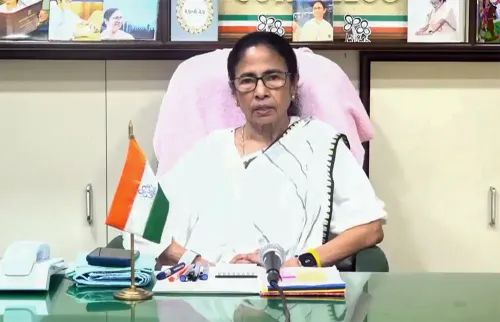
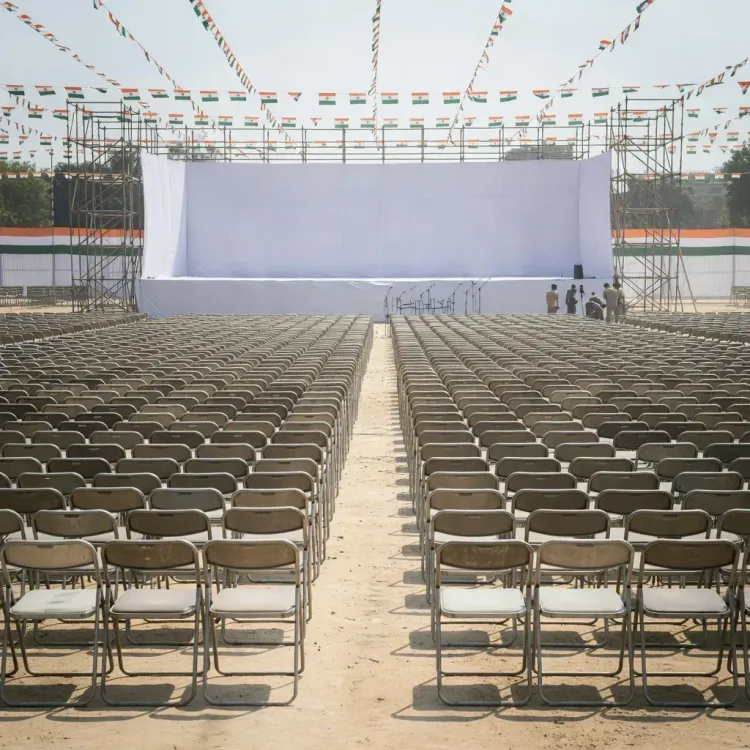
With three days to go, West Bengal Chief Minister Mamata Banerjee has thrown down a direct challenge to the electoral establishment — calling the entire I.N.D.I.A. opposition alliance to Ramlila Maidan, Delhi, on Sunday, 1 November, at 12:30 PM, under the banner of defending democracy and the Constitution.
The call is pointed and public. 'The fight against Vote Chori is a fight to protect every Indian's right to choose,' Banerjee wrote, listing four pressure points the alliance intends to put on the table: EVMs under scrutiny, voter data under question, electoral rolls under suspicion, and counting processes under challenge. Each line a grievance. Each line a demand.
What 'Vote Loot' means — and why Ramlila Maidan
The term 'Vote Loot' is Banerjee's sharpest framing yet for allegations of electoral malpractice — spanning what she describes as irregularities in West Bengal and 'across other states.' The language is deliberately national in scope, pushing the narrative beyond any single state grievance and toward a systemic indictment of the electoral machinery. The appeal is to students, youth, women, workers, and civil society — a coalition language designed to widen the rally's social base far beyond party faithful.
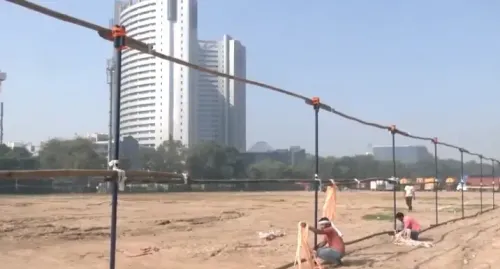
Ramlila Maidan is not a neutral venue. Sitting in the heart of Delhi, it is where India holds its largest mass mobilisations — a ground whose very choice signals that the opposition wants this seen as a national reckoning, not a regional protest. Opposition alliances have used it before precisely because its scale and symbolism do the political messaging before a single speaker takes the stage.
The I.N.D.I.A. alliance's EVM fight — a familiar battle at a new pitch
The I.N.D.I.A. alliance, formally constituted in July 2023 to pool opposition strength against the ruling NDA, has made electoral transparency a recurring flashpoint. Coordinated protests and legal challenges over EVMs and voter rolls date back through the 2019 and 2024 general election cycles. What Banerjee's post signals is that the pitch is rising again — and that the alliance, often critiqued for internal fragmentation, is being publicly summoned to a single visible stage.
The framing — 'silence is not an option' — is a direct answer to critics who have accused the opposition of quietism after successive electoral defeats. Whether the 1 November rally translates that energy into concrete institutional demands, or remains a show of numbers, will define its political afterlife in the days that follow.
The Election Commission of India has consistently defended EVMs as tamper-proof; opposition parties have consistently contested that position in courts and in public. That argument is heading back to the streets — this time, on a Sunday, in Delhi, with India watching the turnstile count.
Point of View
Signalling an attempt to build a cross-state narrative ahead of any future election cycle. At the same time, the opposition's periodic return to EVM-and-rolls protests without a decisive institutional breakthrough risks becoming a ritual rather than a lever — unless the 1 November rally pairs its mass optics with concrete legal or parliamentary follow-through. How many alliance partners actually show up will be the quiet but definitive verdict on I.N.D.I.A.'s current cohesion.
NationPress
29 Oct 2026
Frequently Asked Questions
When and where is the I.N.D.I.A. alliance rally called by Mamata Banerjee?
The rally is scheduled for Sunday, 1 November 2026, at 12:30 PM at Ramlila Maidan, New Delhi , as announced by West Bengal CM Mamata Banerjee on 29 October 2026.
What is 'Vote Chori' that Mamata Banerjee is talking about?
'Vote Chori' — literally 'vote theft' — is the term Mamata Banerjee and the I.N.D.I.A. alliance are using to describe alleged irregularities in electoral processes, including concerns about EVMs, voter rolls, voter data, and counting procedures.
What is the I.N.D.I.A. alliance?
The I.N.D.I.A. (Indian National Developmental Inclusive Alliance) is a coalition of opposition political parties formally launched in July 2023 to coordinate against the ruling NDA at the national level.
What are the specific demands of the Ramlila Maidan rally?
The rally calls for scrutiny of EVMs, transparency in voter data, a review of electoral rolls, and an examination of vote-counting processes — framed collectively as a defence of democratic rights and the Constitution.
Has the opposition held similar EVM protests before?
Yes. Opposition parties have raised coordinated protests and filed legal challenges over EVMs and voter rolls after both the 2019 and 2024 general elections. The 1 November 2026 rally is the latest in that ongoing pattern of contestation.