CM Saini Questions Punjab Law and Order Over Khanna CCTV Footage
Synopsis
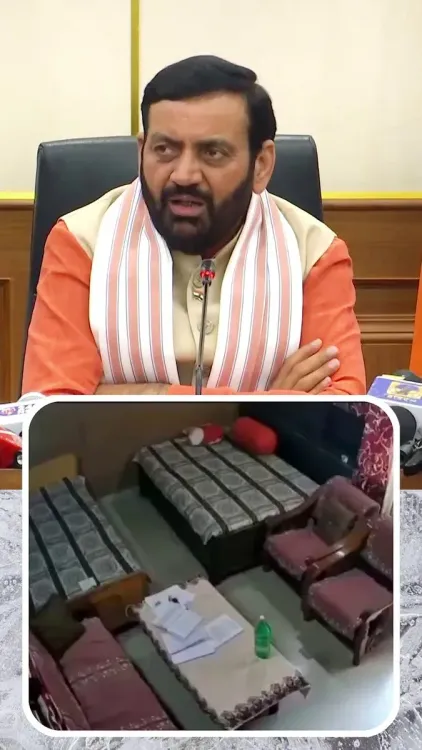
Haryana CM Nayab Singh Saini shared purported CCTV footage from Khanna, Punjab on November 4, 2026, raising sharp questions about law and order under the AAP government and asking the public to judge for themselves.
Key Takeaways
Haryana CM Nayab Singh Saini posted a video on November 4, 2026 sharing what he called CCTV footage from Khanna, Punjab .
Saini questioned the law-and-order situation in Punjab under the AAP government , asking what is 'really going on.' He invited viewers to watch the footage and 'decide for themselves,' using a rhetorical framing that distances him from a direct accusation.
No response from Punjab Police or the state government had been issued at the time of publication.
The post follows a broader pattern of BJP leaders in Haryana using social media to highlight alleged governance failures in neighbouring Punjab.
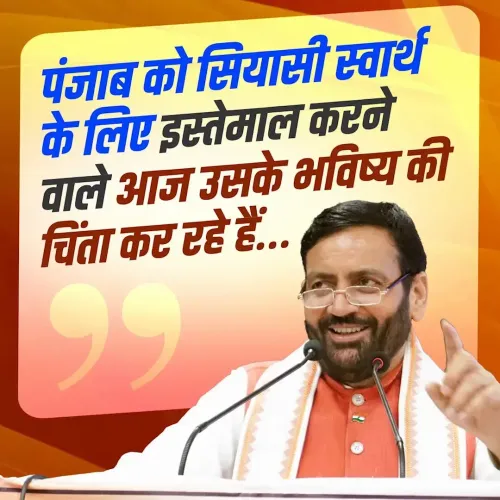
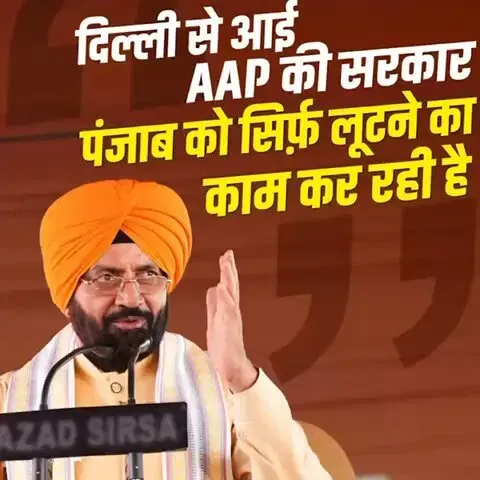
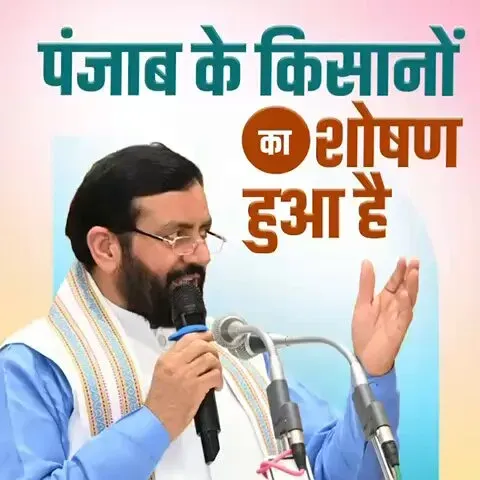
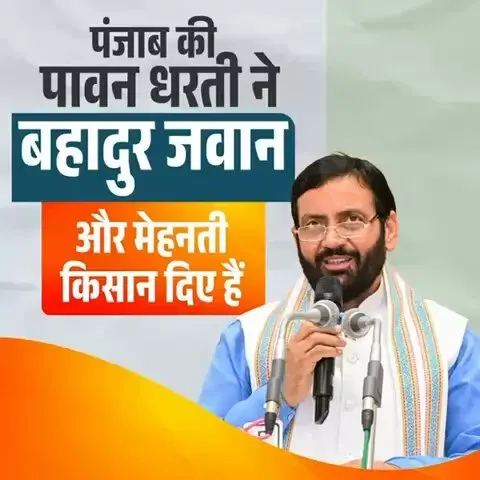
A video circulating on social media is now at the centre of a sharp political exchange between two neighbouring states. Haryana Chief Minister Nayab Singh Saini on Wednesday, November 4, 2026, shared what he described as CCTV footage from Khanna, Punjab, questioning the law-and-order situation under the state's AAP government — and asking the public to watch and decide for themselves.
Posting on X, Saini wrote: 'Punjab mein kanoon vyavastha ke naam par aakhir kya chal raha hai?' ('What exactly is going on in the name of law and order in Punjab?') He added that the Khanna footage raises several serious questions, inviting viewers to watch the full matter and form their own judgment.
Khanna footage triggers cross-border political volley
The post is part of a steady drumbeat of criticism that BJP-led Haryana has directed at the Aam Aadmi Party government in Punjab over its policing record. Cross-border social media sparring between the two states has become a recognisable pattern, with incidents caught on CCTV or phone cameras providing ready ammunition for political point-scoring. Saini's framing — letting the footage 'speak for itself' — is a calculated move: it amplifies the clip while giving the poster rhetorical distance from the specific allegation.
Khanna is a commercially significant town in Ludhiana district, Punjab, known as one of Asia's largest grain markets. An incident originating there carries built-in public interest beyond local politics.
What Punjab authorities have — and have not — said
As of the time of publication, no official response from Punjab Police or the state government had been issued regarding the specific footage referenced by Saini. The precise content and context of the CCTV clip remain unverified through independent sources. Whether the footage prompts an official statement in the Punjab Vidhan Sabha or a formal response from Chandigarh will be the next significant indicator of how seriously the state takes the challenge.
For now, the post has done its political work: it frames Punjab's AAP administration as answerable not just to its own voters, but to a wider public gallery watching from next door.
Point of View
He deploys a video and a rhetorical question, letting public imagination fill the gap. This tactic is particularly potent in the social-media era, where a clip can go viral before any official version of events emerges. The move fits neatly into BJP's sustained narrative of AAP's governance failures in Punjab — a state the party has sought to reclaim since losing it in 2022. If Punjab authorities stay silent, Saini wins the news cycle; if they respond aggressively, they risk amplifying the story further.
NationPress
4 Nov 2026
Frequently Asked Questions
What is the Khanna CCTV footage that Nayab Singh Saini shared?
Haryana Chief Minister Nayab Singh Saini shared a video he described as CCTV footage from Khanna town in Punjab, citing it as evidence of a law-and-order problem under the AAP state government. The specific content and context of the footage have not been independently verified.
Where is Khanna located and why does it matter?
Khanna is a town in Ludhiana district, Punjab, widely known as one of Asia's largest grain markets. Its commercial significance means incidents there attract broader public attention beyond local politics.
What has the Punjab government said about Saini's post?
As of the time of publication, neither Punjab Police nor the AAP state government had issued an official response to the footage or the claims made by Haryana CM Nayab Singh Saini.
Is this the first time BJP leaders have criticised Punjab's law and order?
No. Cross-border criticism of Punjab's law-and-order record by BJP leaders in Haryana has been a recurring pattern, often intensifying around specific local incidents caught on video or CCTV.
What could happen next following Saini's post?
Key developments to watch include an official response from Punjab Police or the state government, possible follow-up statements in the Punjab Vidhan Sabha, and whether additional footage or context emerges to clarify the incident.