CM Fadnavis Hails ₹22,000 Cr Pune Metro Vision
Synopsis
Maharashtra CM Devendra Fadnavis has championed the Pune Metro as a ₹22,000 crore urban transformation, crediting PM Modi's national vision and the state's on-ground execution for driving India's metro revolution into second-tier cities.
Key Takeaways
CM Devendra Fadnavis publicly celebrated the Pune Metro project on 6 November 2026 .
He described it as a ₹22,000 crore transformation connecting people to time, opportunity, and quality of life.
Fadnavis framed the project as a product of PM Narendra Modi 's national vision combined with Maharashtra's state-level execution.
Pune was among the first cities selected under the Smart Cities Mission (launched 2015) for integrated urban upgrades.
India has expanded metro rail to second-tier cities since 2014, with central funding and state execution as the standard delivery model.
The project targets relief from chronic road congestion for Pune 's five-million-plus population across IT, manufacturing, and education zones.
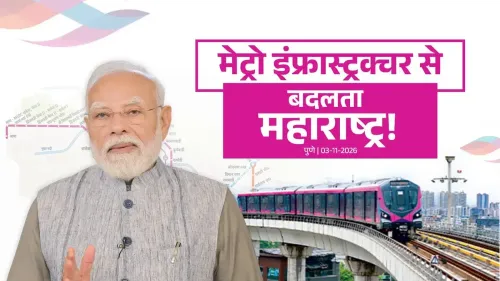
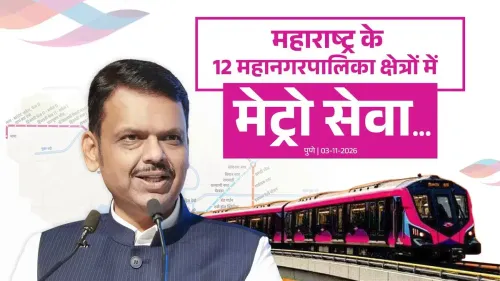
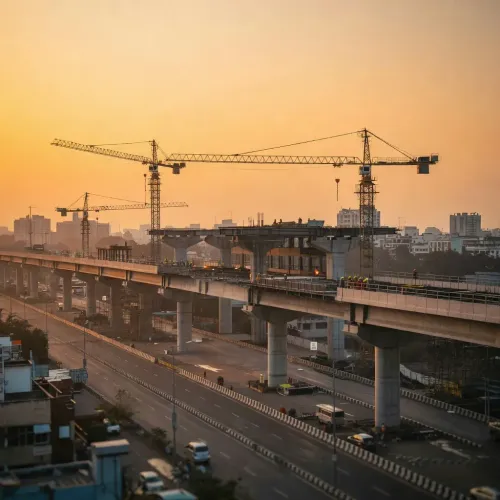
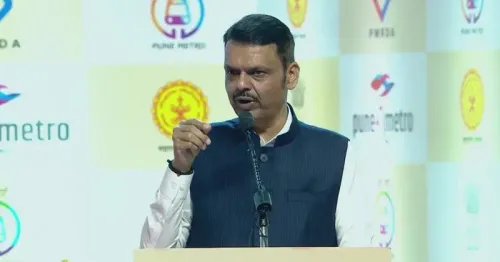
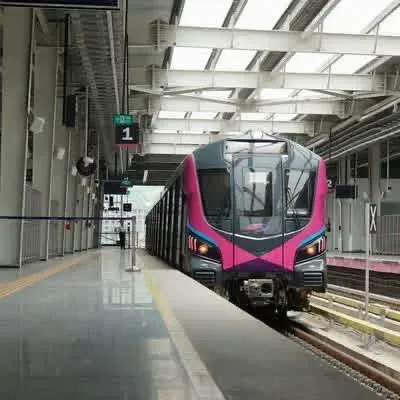
Decades of gridlock, dusty blueprints, and deferred promises — and now, steel rails cutting through one of India's fastest-growing cities. Maharashtra Chief Minister Devendra Fadnavis on Friday, 6 November 2026, invoked that long arc of waiting as he celebrated the Pune Metro project, framing it as a ₹22,000 crore transformation that links the city's residents not just to destinations, but to time and economic opportunity.
From blueprint to rail: what the Pune Metro represents
Fadnavis posted that 'India's Metro revolution is not just about connecting cities, but connecting people to time, opportunity and a better quality of life' — a pointed departure from the standard infrastructure announcement. The framing places Pune inside a wider national story: India's deliberate push to extend metro rail beyond its largest metros into the second tier of cities that now drive economic growth.
The model is well-established. Central funding flows in, state machinery executes, and the commuter — who once spent hours in traffic — gains back hours of productive life. For Pune, a city of over five million people that hosts a dense concentration of IT campuses, manufacturing hubs, and universities, the stakes are particularly high.
The Modi-Fadnavis formula: central vision, state engine
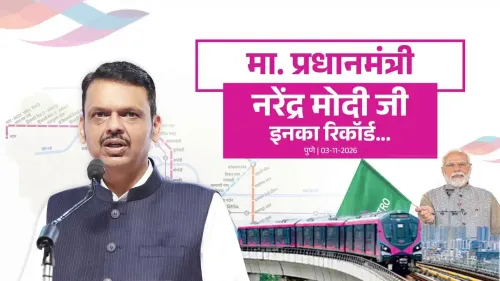
The Chief Minister was explicit about the partnership: 'Hon. PM Narendra Modi Ji's vision + Maharashtra's execution.' That equation has become the standard political grammar for infrastructure delivery under the current dispensation — the Centre sets the ambition, the state claims the ground-level credit. For Fadnavis, tagging both the Prime Minister and @metrorailpune in the same post is also a signal that execution timelines are being tracked and celebrated at the highest level of state government.
Pune was among the first batch of cities selected under the Smart Cities Mission launched in 2015, which prioritised integrated urban infrastructure upgrades. Metro rail development in second-tier cities accelerated after 2014, with central sanctions unlocking multiple new corridors across Maharashtra and other states.
What Pune's commuters stand to gain
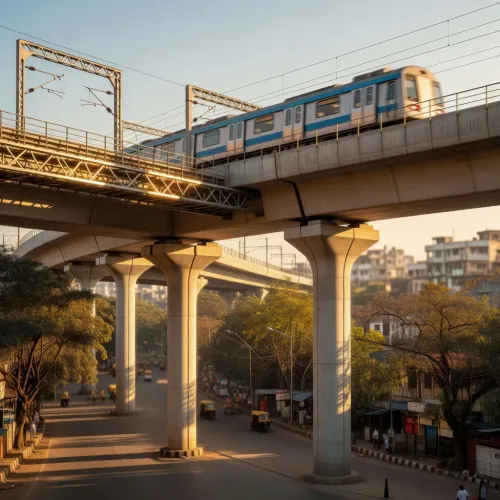
The pitch to ordinary Puneites is straightforward: reclaim your city. Chronic road congestion has long shadowed Pune's growth story, with commuters often spending as much time in traffic as at their desks. A functional metro network promises to shift that calculus — linking residential zones to IT parks, colleges, and commercial districts with predictable, affordable, air-conditioned journeys.
The broader pattern across Indian cities where metro lines have matured — reduced surface congestion, rising real-estate values near stations, and measurable drops in per-commuter carbon footprint — gives Pune's residents a tangible preview of what the investment is designed to deliver.
Metro rail is no longer a privilege of the country's largest cities. Pune's ₹22,000 crore corridor is the latest proof that India is betting its urban future on the rail — and Maharashtra is determined to be on the right side of that wager.
Point of View
He reinforces the BJP's standard narrative that good governance flows from alignment between Delhi and Nagpur. The framing also inoculates the project against any future delay criticism — if targets slip, the shared-credit architecture diffuses accountability upward. More broadly, the post signals that Maharashtra sees metro rail not merely as transport policy but as an electoral asset — a visible, rideable symbol of development in a city that swings between parties and punches above its demographic weight in state politics.
NationPress
6 Nov 2026
Frequently Asked Questions
What is the Pune Metro project and how much does it cost?
The Pune Metro is an urban rail project designed to improve mobility and reduce road congestion in Pune , Maharashtra. CM Devendra Fadnavis has referenced a project value of ₹22,000 crore , though this figure could not be independently verified from established public records.
Who is funding the Pune Metro — Centre or state?
The Pune Metro follows India's standard model for metro rail projects: central government funding combined with state-level execution. CM Fadnavis credited PM Narendra Modi 's vision and Maharashtra 's implementation for driving the project forward.
When was Pune selected under the Smart Cities Mission?
Pune was among the first batch of cities selected under the Smart Cities Mission , which was launched in 2015 to drive integrated urban infrastructure upgrades across India.
How will the Pune Metro benefit commuters?
The metro aims to link residential areas with Pune 's IT parks, universities, and commercial districts, reducing chronic road congestion and giving commuters faster, more reliable, and affordable daily journeys.
What is Devendra Fadnavis's role in the Pune Metro project?
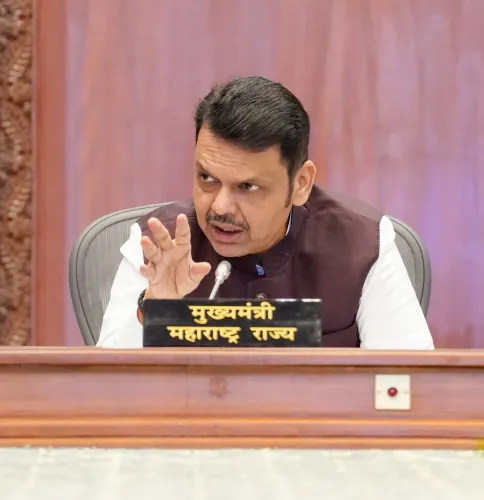
Devendra Fadnavis , as Maharashtra Chief Minister, oversees state-level implementation of the Pune Metro and has positioned it as a flagship urban infrastructure achievement of his government in partnership with the central government.