CM Fadnavis: ₹2.5 Lakh Crore Metro Push Underway in Maharashtra
Synopsis
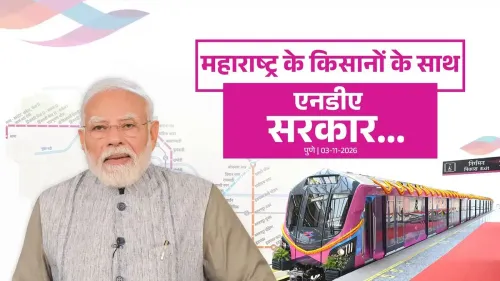
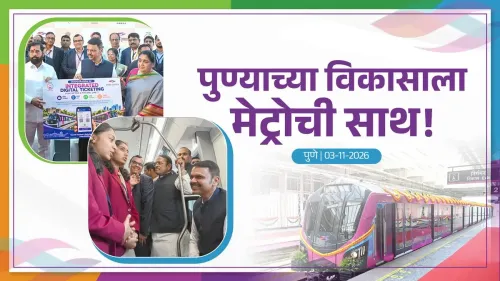
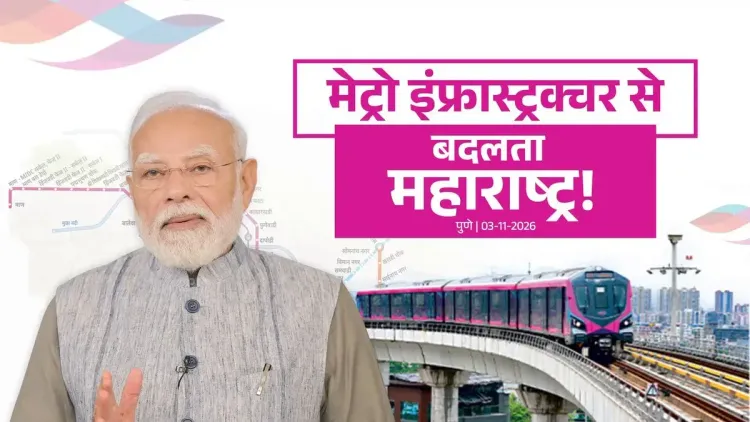
PM Modi inaugurated Pune Metro Corridor 3 and performed the bhumi puja for Phase 2 on 3 November 2026, with CM Fadnavis highlighting a state-wide metro investment of over ₹2.5 lakh crore — one of India's largest urban rail commitments.
Key Takeaways
PM Narendra Modi inaugurated Pune Metro Corridor 3 and laid the foundation stone for Pune Metro Phase 2 on 3 November 2026 .
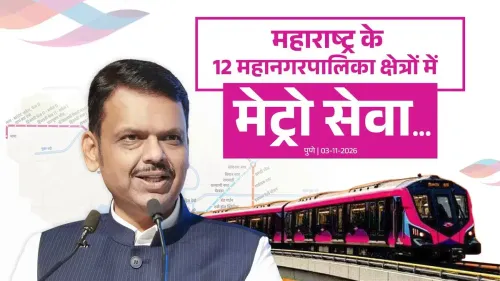
Over ₹2.5 lakh crore is being invested in metro infrastructure across Maharashtra , covering Mumbai, Pune, and Nagpur corridors.
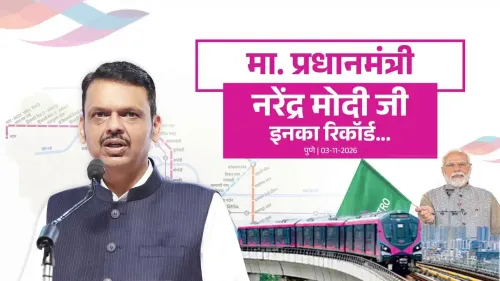
CM Devendra Fadnavis amplified PM Modi's statement in both Marathi and Hindi, underlining the state-centre partnership on urban mobility.
Pune Metro Phase 1 was sanctioned in 2018 under the National Metro Rail Policy 2017 , forming the policy foundation for today's expansion.
The dual-event format — inauguration plus bhumi puja on the same day — reflects a deliberate strategy to maintain visible project momentum.
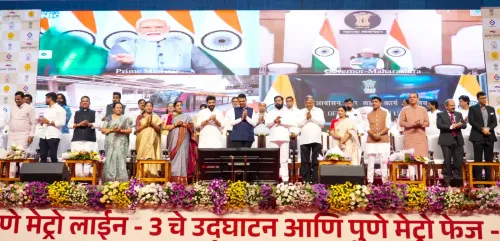
A ₹2.5 lakh crore metro infrastructure investment is now rolling across Maharashtra — and on 3 November 2026, the scale of that ambition became visible on the ground in Pune. Maharashtra Chief Minister Devendra Fadnavis took to X to amplify a landmark statement from Prime Minister Narendra Modi, who inaugurated Pune Metro Corridor 3 and laid the foundation stone for Pune Metro Phase 2 at a single event.
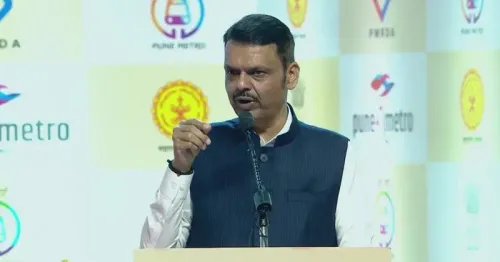
Sharing the Prime Minister's words in both Marathi and Hindi, CM Fadnavis quoted Modi directly: 'Metro infrastructure par Maharashtra mein ₹2.5 lakh crore se adhik ka nivesh kiya ja raha hai' ('More than ₹2.5 lakh crore is being invested in metro infrastructure in Maharashtra'). The double-event format — a ribbon-cutting and a bhumi puja on the same day — signals the state's intent to compress timelines and keep momentum visible.
Pune Metro Corridor 3 and Phase 2 — what opened, what begins
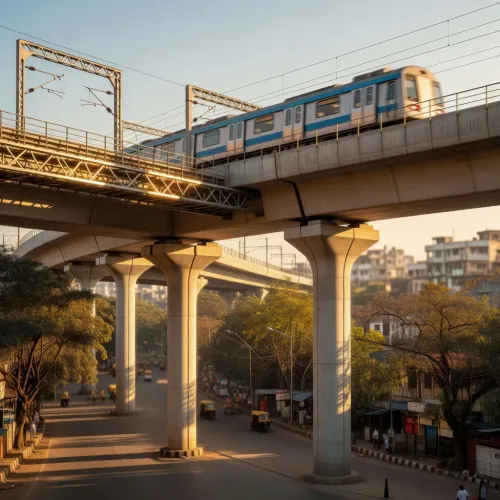
Pune Metro Corridor 3 adds a new spine to the city's rail network, connecting urban nodes that have long depended on congested road corridors. The inauguration marks the section's transition from construction to live service. Hours later, the Phase 2 bhumi puja broke ground on the next tranche of expansion, ensuring that the project machine does not pause once a corridor opens.
Pune's metro story began in earnest when Phase 1 received central government sanction in 2018 under the National Metro Rail Policy 2017 — a framework that standardised project norms, encouraged public-private participation, and unlocked multi-source funding blending central grants, state equity, and external commercial loans. Today's event is, in part, the yield of that eight-year pipeline.
Maharashtra's metro map — Mumbai, Pune, Nagpur all in play
The ₹2.5 lakh crore figure is not Pune-specific — it spans the entire Maharashtra metro canvas. Mumbai's multi-corridor metro network, Nagpur Metro, and Pune together form one of the densest state-level urban rail build-outs in the country. Successive central budgets have treated Maharashtra as a high-priority metro recipient, reflecting both its population weight and its economic contribution to national GDP.
The broader pattern is deliberate: phase approvals are staggered so that one corridor's inauguration fuels political and bureaucratic momentum for the next sanction. The Pune event fits that template precisely — Phase 2's foundation stone was laid before Corridor 3 had even run its first full day of service.
What the Pune commuter gains — and what the clock says next
For daily commuters navigating Pune's notoriously snarled traffic, a new metro corridor is a direct reduction in travel time and fuel cost. The urban agglomeration — home to a large IT and manufacturing workforce — has consistently ranked among India's fastest-growing cities, making mass transit not a luxury but a structural necessity.
The immediate watch-points: construction timelines on Phase 2 corridors, integration with existing Phase 1 lines, and whether the centre releases further tranches of capital funding on schedule. With the foundation stone now in the ground, Pune's next metro chapter has a start date. Whether it meets its finish date is the harder question.
Point of View
Reinforcing the Modi government's 'infrastructure as governance' brand. For CM Fadnavis, relaying the Prime Minister's words verbatim in both Marathi and Hindi is also a signal of seamless state-centre alignment — politically valuable in a state where coalition optics matter. The real test, however, will be Phase 2 delivery timelines, where execution credibility is earned or lost.
NationPress
3 Nov 2026
Frequently Asked Questions
What was inaugurated at the Pune Metro event on 3 November 2026?
PM Narendra Modi inaugurated Pune Metro Corridor 3 and performed the bhumi puja (foundation-stone laying) for Pune Metro Phase 2 at a single event in Pune on 3 November 2026.
How much is being invested in metro infrastructure in Maharashtra?
Over ₹2.5 lakh crore is being invested in metro infrastructure across Maharashtra, covering metro projects in Mumbai, Pune, and Nagpur, according to PM Modi's statement quoted by CM Fadnavis.
What is Pune Metro Phase 2?
Pune Metro Phase 2 is the next expansion tranche of Pune's urban rail network, with its foundation stone laid on 3 November 2026. It will extend metro connectivity beyond the corridors built under Phase 1, which was sanctioned in 2018.
What is the National Metro Rail Policy 2017?
The National Metro Rail Policy 2017 is a central government framework that standardised project approval norms, encouraged public-private participation, and unlocked multi-source funding for metro projects across Indian cities, forming the policy basis for Pune Metro Phase 1's 2018 sanction.
What did CM Devendra Fadnavis say about the Pune Metro event?
CM Devendra Fadnavis shared PM Modi's statement on X in both Marathi and Hindi, quoting him as saying that more than ₹2.5 lakh crore is being invested in metro infrastructure in Maharashtra, and tagging the event as the inauguration of Corridor 3 and the bhumi puja of Phase 2.