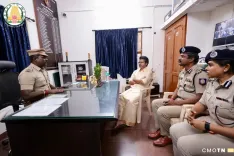
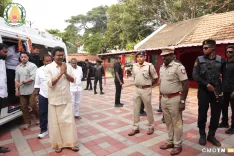
CM Majhi: Relief and Restoration Underway in Odisha
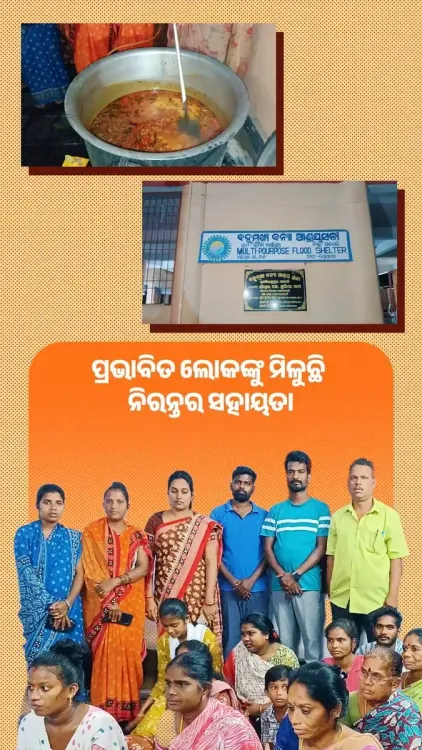
Synopsis
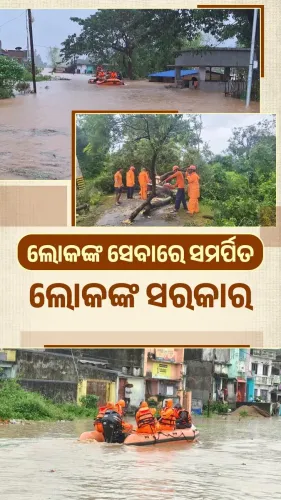
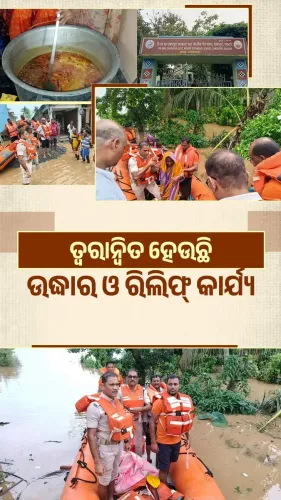
Odisha Chief Minister Mohan Charan Majhi announced on November 3, 2026 that relief and restoration operations are actively underway to return life to normal in affected areas, continuing the state's established pattern of structured disaster response.
Key Takeaways
CM Mohan Charan Majhi confirmed on November 3, 2026 that relief and restoration work is ongoing in affected areas of Odisha .
The announcement was made in both Odia and English, targeting the state's residents and a national audience simultaneously.
Odisha has a globally recognised disaster-response framework built on lessons from the 1999 super-cyclone and refined through events like Cyclone Fani in 2019 .
Restoration operations typically run across three tracks: emergency relief, utilities repair, and livelihood compensation.
The Odisha State Disaster Management Authority (OSDMA) is the nodal body for detailed operational updates and fund utilisation.
The triggering event and specific affected districts were not identified in the Chief Minister's post.
Odisha's administration is in active recovery mode. Chief Minister Mohan Charan Majhi confirmed on Tuesday, November 3, 2026, that relief and restoration operations are continuing without pause across affected areas of the state, signalling that the government is treating normalcy as an operational deadline, not a distant aspiration.
Posting in both Odia and English, CM Majhi stated: 'ପ୍ରଭାବିତ ଅଞ୍ଚଳରେ ସ୍ୱାଭାବିକ ଜୀବନଯାତ୍ରା ଫେରାଇ ଆଣିବା ପାଇଁ ରିଲିଫ୍ ଓ ପୁନରୁଦ୍ଧାର କାର୍ଯ୍ୟ ନିରନ୍ତର ଜାରି ରହିଛି' — 'Relief and restoration efforts are underway to restore normalcy in affected areas.' The bilingual messaging underscores that the audience is both the state's Odia-speaking public and a wider national one watching how Odisha handles another chapter in its long history of disaster response.
Odisha's disaster-response legacy and what it demands
Odisha sits on one of the most cyclone-prone coastlines in Asia. The state's turnaround from catastrophic unpreparedness in the 1999 super-cyclone to a globally cited model of pre-emptive evacuation and structured relief is among the most studied governance stories in Indian public administration. That reputation now sets the bar for every administration that follows — and CM Majhi's government knows it.
The benchmark most often cited is Cyclone Fani in 2019, when the state machinery evacuated over 1.2 million people in under 48 hours and began infrastructure restoration within days of landfall. That operation embedded institutional muscle memory in Odisha's State Disaster Management Authority (OSDMA) and district-level teams — the same machinery now running the current response.
What 'normalcy' means on the ground
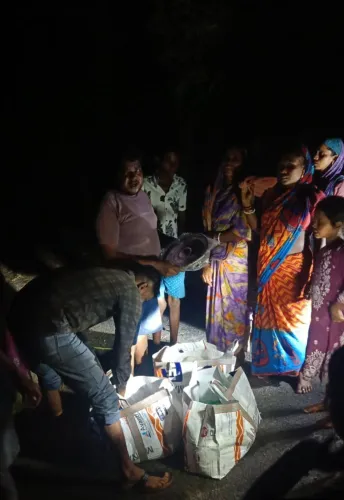
When a state government says 'relief and restoration,' it is describing at minimum three overlapping tracks: emergency relief — food, water, temporary shelter for displaced residents; restoration of utilities — roads, power supply, drinking water infrastructure; and livelihood support — compensation disbursements and agricultural damage assessment. Each track runs on a different timeline and a different budget head.
The Chief Minister's post does not specify the triggering event or the districts in focus — details that the Odisha State Disaster Management Authority is expected to provide in formal operational updates. What the post does establish, clearly, is the state's public posture: the response is continuous and the goal is explicit.
Odisha's pattern of brief, high-visibility official communications during recovery phases is well established and deliberate — it assures affected communities that their situation is not slipping off the government's radar. For residents in the affected belt, the Chief Minister's words are also a signal to local administration: the scrutiny from the top has not let up.
Point of View
Top-down signalling during disaster recovery that keeps both public anxiety and administrative complacency in check. For a BJP government that entered office in June 2024 inheriting an internationally praised disaster-management apparatus, maintaining that brand is a political and administrative imperative. The absence of specifics — no named district, no named event — suggests either an evolving situation or a deliberate choice to keep the message universal and reassuring rather than granular. Watchers should track OSDMA advisories and fund-release orders to measure the operational depth behind the political messaging.
NationPress
3 Nov 2026
Frequently Asked Questions
What did Odisha CM Mohan Majhi say about relief operations on November 3 2026?
CM Mohan Charan Majhi confirmed that relief and restoration efforts are continuously underway to restore normalcy in areas affected by a recent disaster in Odisha.
Which disaster triggered Odisha's relief operations in November 2026?
The Chief Minister's post did not identify the specific triggering event or the exact districts affected; official details are expected from the Odisha State Disaster Management Authority.
What is the Odisha State Disaster Management Authority (OSDMA)?
OSDMA is the nodal state agency responsible for coordinating disaster preparedness, rescue, relief, and restoration operations across Odisha, widely recognised for its work since the early 2000s.
How has Odisha handled past disaster relief?
Odisha is internationally recognised for its disaster response, most notably evacuating over 1.2 million people ahead of Cyclone Fani in 2019 and rapidly restoring infrastructure in its aftermath.
When did Mohan Charan Majhi become Chief Minister of Odisha?
Mohan Charan Majhi became Chief Minister of Odisha in June 2024 after the BJP won the state assembly elections.