CM Majhi: Odisha govt in 24x7 mode for cyclone relief
Synopsis
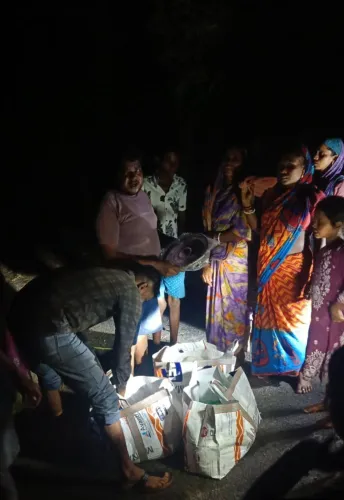
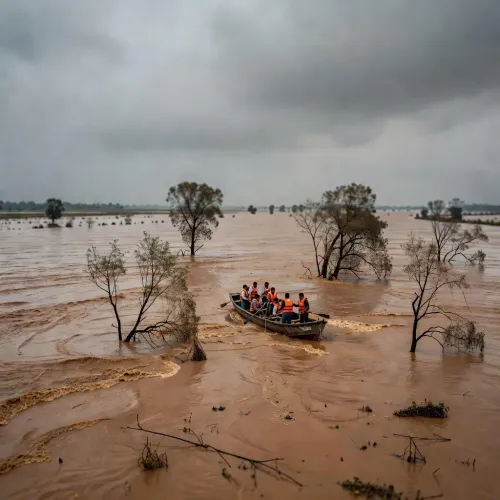
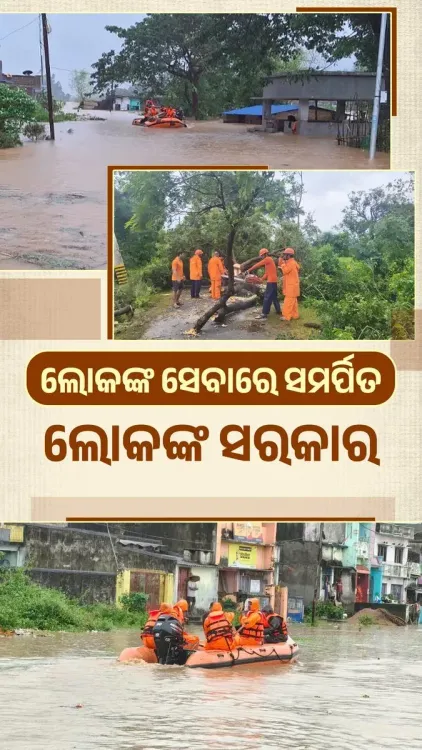
Odisha Chief Minister Mohan Charan Majhi on 31 October 2026 announced round-the-clock rescue, relief, food, drinking water and healthcare operations for families hit by a cyclone, reaffirming that people's safety is the government's highest priority.
Key Takeaways
CM Mohan Charan Majhi confirmed the Odisha government is running 24x7 relief operations for cyclone-affected families.
Response covers rescue, relief, food, drinking water, and healthcare — all five axes named explicitly by the Chief Minister.
Odisha has a nationally recognised disaster-management infrastructure built after the 1999 super cyclone , including shelters and early-warning systems.
Majhi's BJP-led government , in power since June 2024 , is facing its first major high-profile cyclone response test.
Official damage assessments and timelines for restoring power, roads and water supply in affected districts are awaited.
A cyclone has struck Odisha, and Chief Minister Mohan Charan Majhi is signalling that the state's full emergency machinery is already in motion — rescue teams, food, drinking water, and healthcare, all deployed around the clock as of Saturday, 31 October 2026.
Posting in Odia and English, Majhi stated: 'People's safety remains the government's top priority. All necessary rescue, relief, food, drinking water and healthcare assistance are being provided to cyclone-affected families, with teams working round the clock.' The bilingual post — reaching both local constituents and a national audience — signals both urgency and a deliberate effort at public reassurance.
What '24x7' means on the ground
The phrase 'ପ୍ରଶାସନ ୨୪×୭ ସେବାରେ ନିୟୋଜିତ' ('administration deployed in 24x7 service') is not rhetoric here — it reflects a specific operational posture Odisha has refined over decades. Since the devastating 1999 super cyclone, the state systematically built one of India's most cited disaster-response frameworks, including a dense network of cyclone shelters, early-warning broadcast systems, and pre-positioned relief stockpiles along its Bay of Bengal coastline.
That institutional memory means the machinery Majhi is describing has real physical infrastructure behind it — not just administrative intent. Successive governments, including the current BJP-led administration that took charge in June 2024, have inherited and continued to build on that architecture.
Majhi's BJP government and the test of its first major cyclone response
For Majhi personally, this is a significant moment. Having come to power less than 18 months ago, his government now faces its first high-visibility test of large-scale disaster management. Odisha's electorate has historically judged governments sharply on how fast relief reaches affected families — not on announcements alone.
The CM's post is careful to name every axis of response: rescue, relief, food, drinking water, and healthcare. That specificity is deliberate. It sets a public benchmark against which district-level delivery will be measured in the days ahead.
What the coming days will reveal
Official damage assessments, restoration of power grids, reopening of cut-off roads, and resumption of clean water supply in the worst-hit districts will tell the fuller story. Cyclone recovery in Odisha typically unfolds over 72–96 hours of intensive relief, followed by weeks of rehabilitation. The Chief Minister's public commitment today starts that clock — and the state is watching.
Point of View
Which makes rapid, visible delivery a political imperative as much as a humanitarian one. The BJP government's willingness to inherit and operate Odisha's institutional disaster-response machinery — rather than rebrand it — suggests pragmatic continuity over ideology. How swiftly actual relief reaches the most vulnerable districts will determine whether today's commitment translates into lasting political credibility.
NationPress
31 Oct 2026
Frequently Asked Questions
What did Odisha CM Mohan Majhi say about the cyclone?
CM Mohan Charan Majhi stated that the government is deploying 24x7 teams for rescue, relief, food, drinking water and healthcare for all cyclone-affected families, calling people's safety the administration's top priority.
Which cyclone hit Odisha in October 2026?
A cyclone struck Odisha around 31 October 2026 . Specific details about the cyclone's name, scale, and the districts most severely affected are yet to be officially confirmed in damage assessments.
How does Odisha handle cyclone disasters?
Odisha built one of India's most robust cyclone-response frameworks after the devastating 1999 super cyclone , with cyclone shelters, early-warning systems, and pre-positioned relief stocks along its Bay of Bengal coast.
When did Mohan Charan Majhi become Odisha Chief Minister?
Mohan Charan Majhi of the BJP became Odisha Chief Minister in June 2024 after the party's victory in the state assembly elections.
What relief is the Odisha government providing to cyclone victims?
According to CM Majhi's statement, the government is providing rescue operations, relief materials, food, drinking water, and healthcare services, with administration working round the clock.